
Clear solution boundaries
Each option is described by the buyer problem it solves, not as an interchangeable low-voltage package.
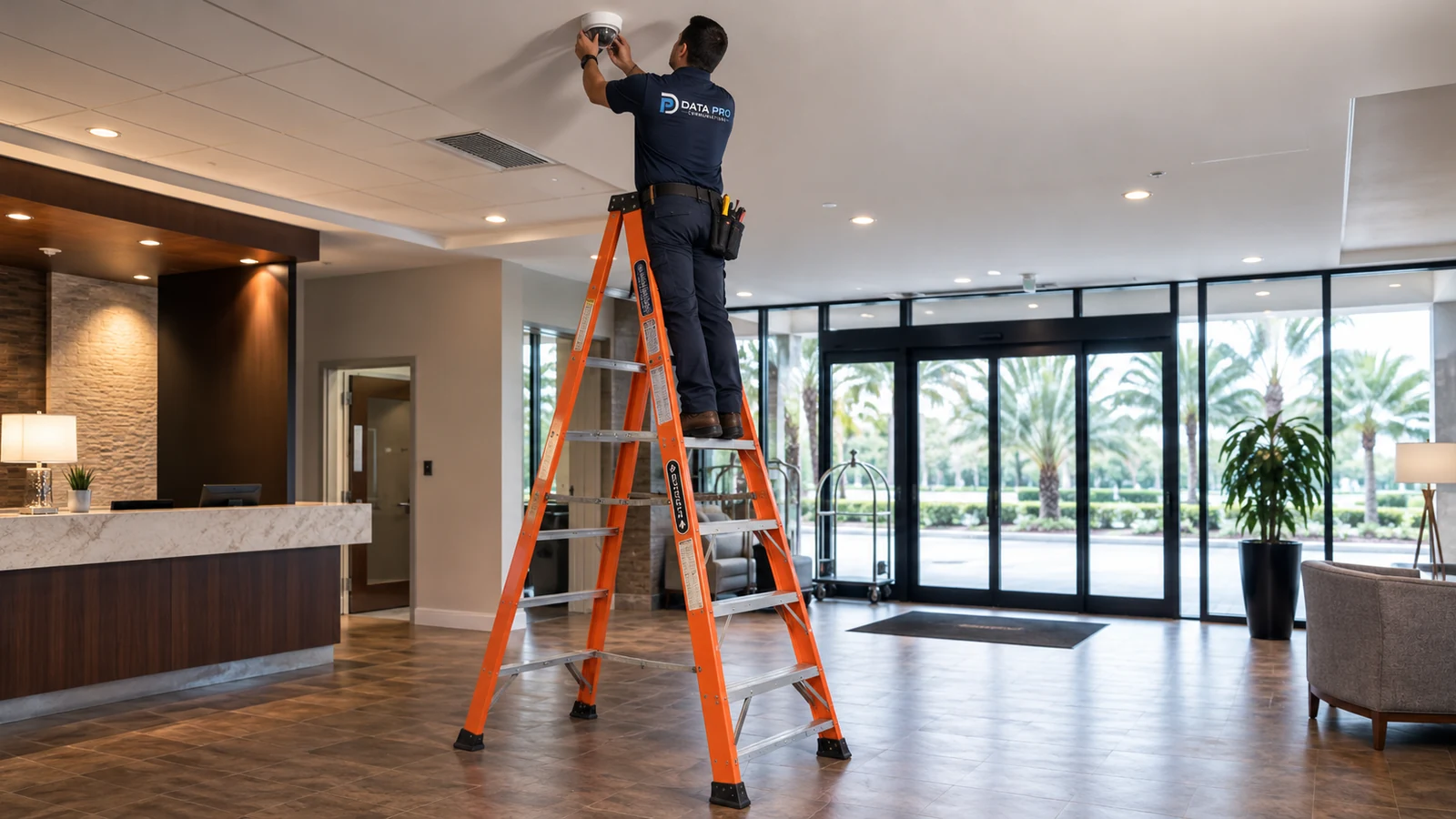
Commercial Technology Solutions | Ocala and Marion County
Different systems solve different property problems. Start with the operating need: passive cabling, active network capacity, an optical backbone, controlled entry, visitor communication, commercial AV, lifecycle support, a vehicle gate, or an outdoor wireless connection.
Start with the system or operating problem that needs to be solved: passive cabling, network capacity, a building link, a controlled entrance, visitor communication, commercial AV, recurring support, a vehicle gate, or a remote wireless connection. A multi-system project can retain distinct technical scopes under one coordinated property plan.
Each option is described by the buyer problem it solves, not as an interchangeable low-voltage package.
Camera projects can connect to the broader infrastructure they depend on while retaining a separate camera scope.
Detached buildings, remote gates, and long outdoor paths are directed to fiber, gate, or wireless planning as appropriate.
FL License #EC13016138 is presented as a factual provider credential without additional compliance claims.
A commercial project may begin with a data drop, a congested switch, a distant barn, a visitor at a door, a vehicle gate, or a room that needs better presentation tools. The starting condition determines the infrastructure, entry, communication, or support decisions that must be resolved first.
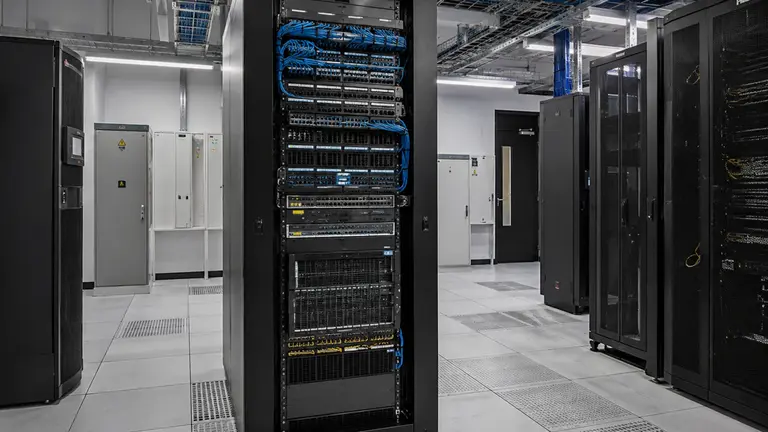
Structured Cabling covers the cable plant; Network Infrastructure covers switching, PoE, uplinks, segmentation, and connectivity.
Fiber creates an optical path; Point-to-Point Wireless bridges separated locations through an outdoor RF link.
Access Control manages controlled doors and credentials; Gate Access addresses vehicle/property entrances and remote release workflows.
Camera Troubleshooting addresses an active camera fault; Service & Maintenance organizes recurring cross-system care.
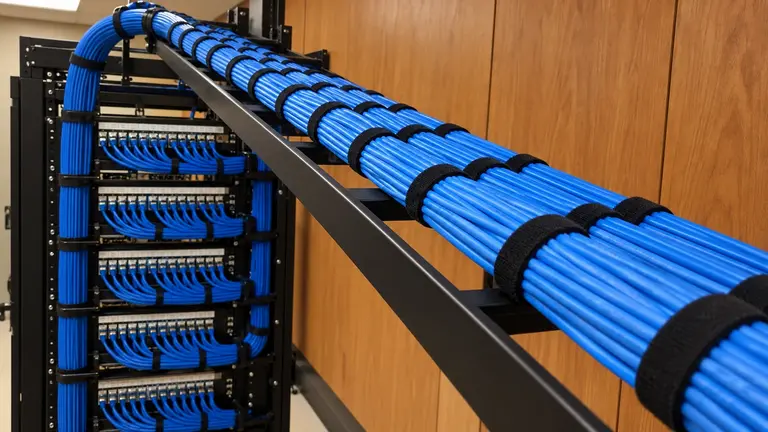
Plan copper pathways, Cat6 or Cat6A drops, terminations, patch panels, labels, and test records.
Organize switches, PoE capacity, racks, uplinks, segmentation inputs, and connected-device readiness.
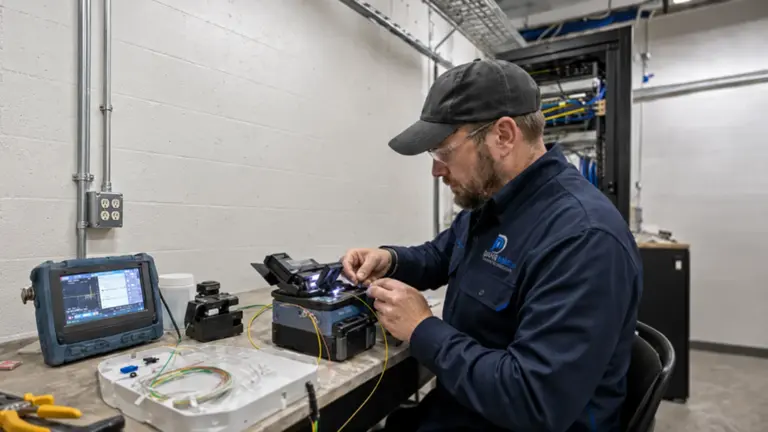
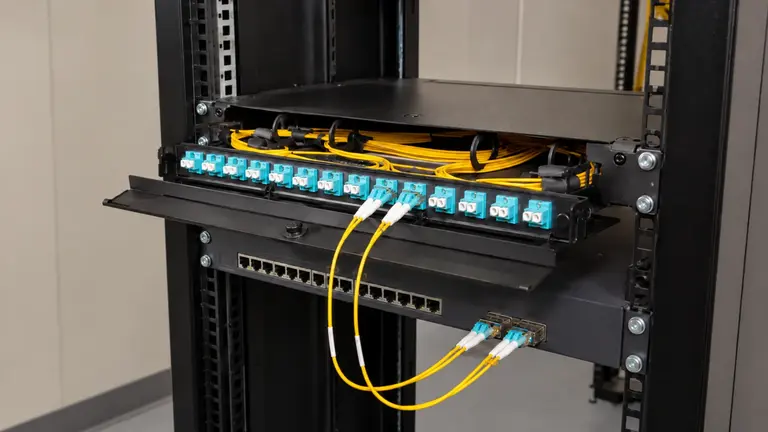
Connect buildings, remote telecom rooms, and long outdoor routes with a physical optical backbone.
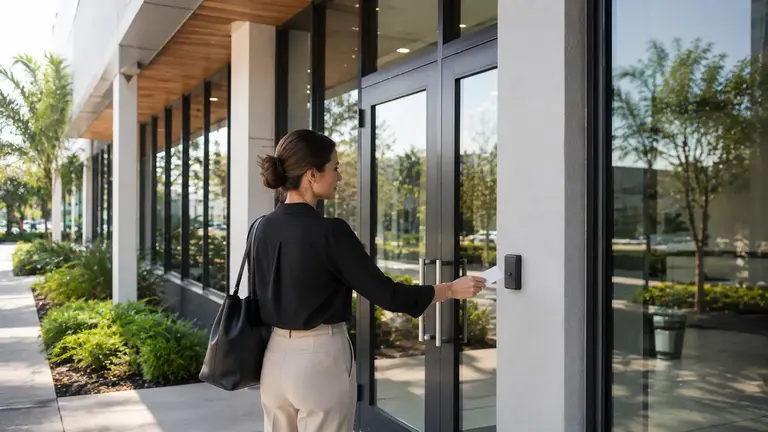
Manage credentials, schedules, monitored door states, and controlled commercial openings.
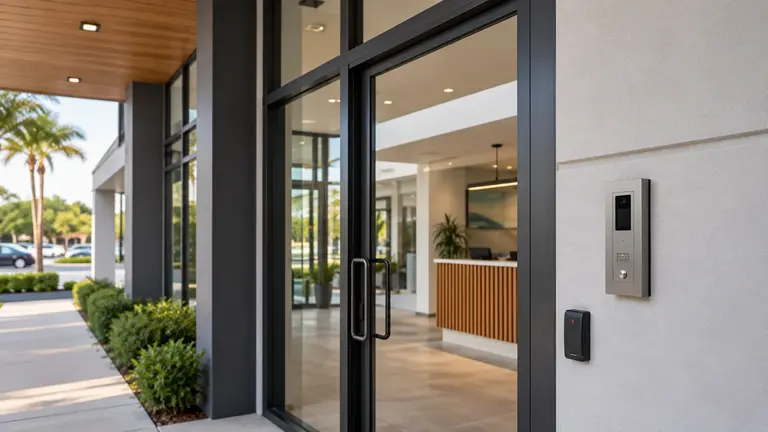
Support visitor communication, answering, and controlled release at doors or entrances.
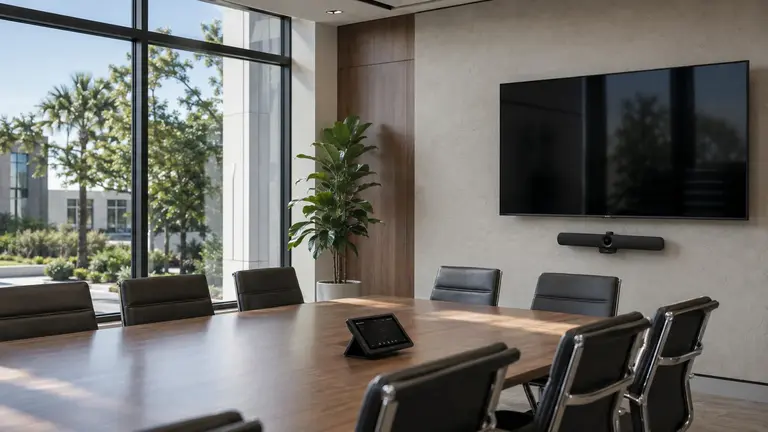
Equip meeting, presentation, training, and shared spaces with commercial displays, audio, microphones, and control.
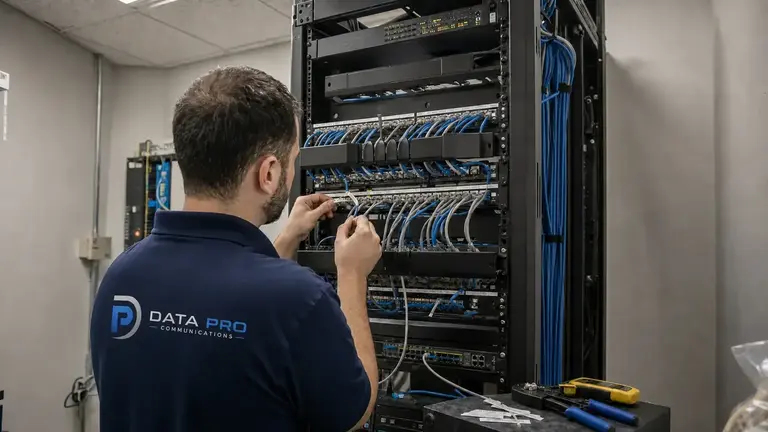
Establish recurring review, documentation, corrective priorities, and expansion planning across installed systems.
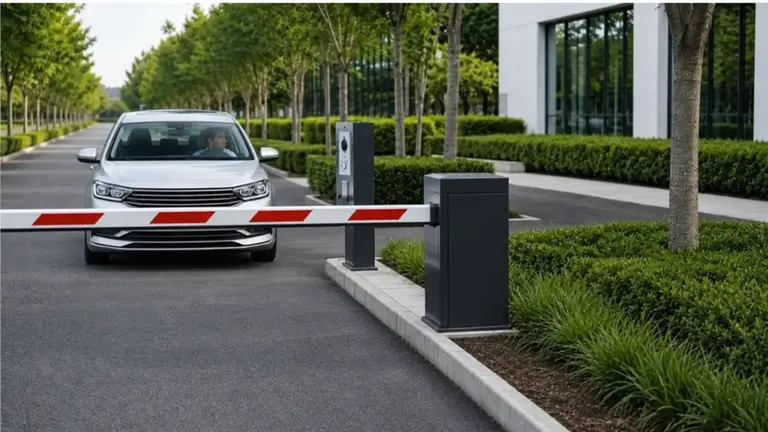
Coordinate vehicle entrances, operator interfaces, credentials, intercom, cameras, detection, and event verification.
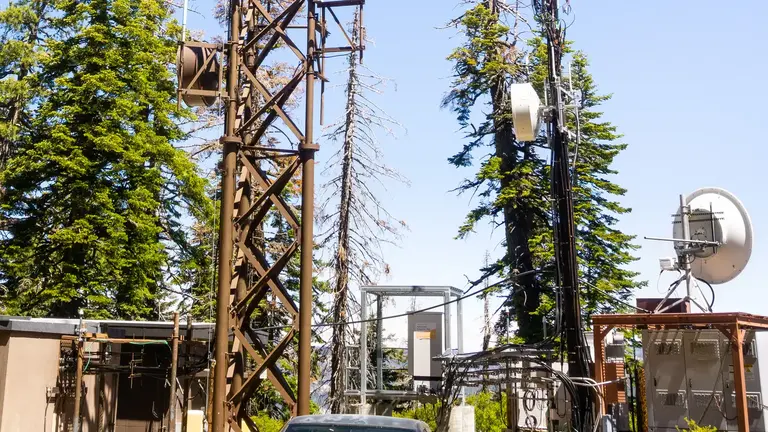
Extend network connectivity between separated locations when the path and operating conditions support an outdoor bridge.
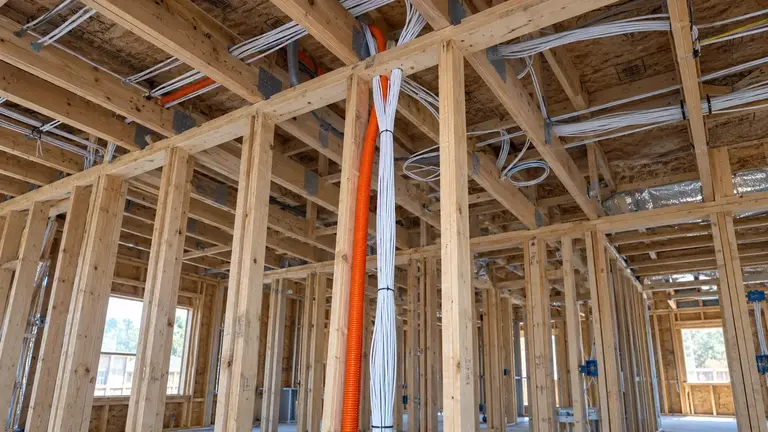
Route pathways and data drops to Structured Cabling, then address switching and PoE through Network Infrastructure.
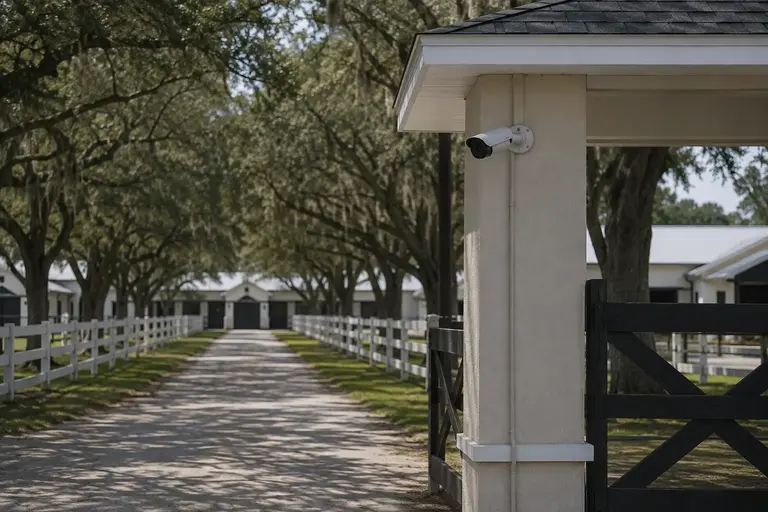
Compare an available fiber pathway with a clear outdoor wireless path before selecting the building link.
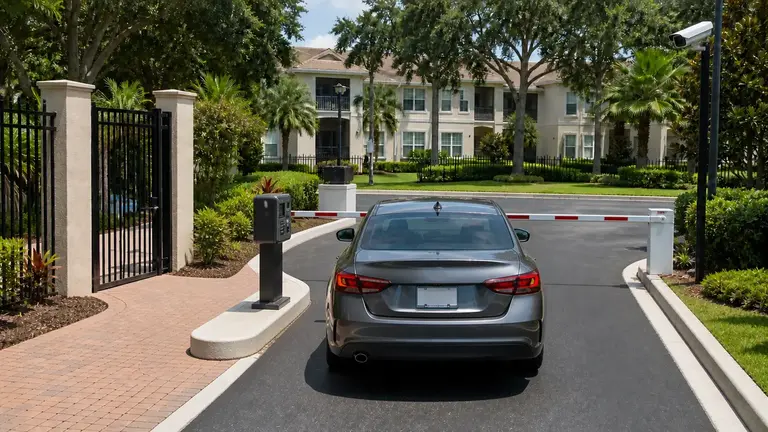
Use Gate Access for the vehicle workflow and Intercom or Access Control for supporting communication and permissions.
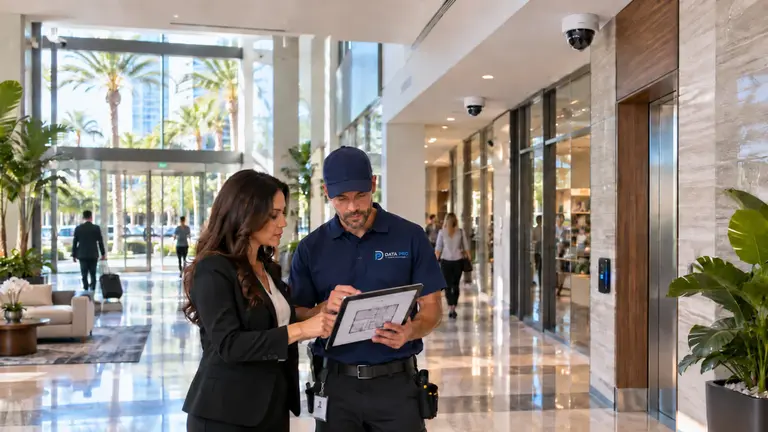
Use Service & Maintenance to baseline documentation and recurring care rather than opening a fault-only request.
Name the room, building, entrance, device group, or operational workflow that needs to change.
Record pathways, racks, switches, telecom rooms, power, gate equipment, and network ownership that already exist.
Clarify whether the result is connectivity, controlled entry, communication, presentation, continuity, or evidence support.
A camera at a distant gate may involve camera coverage, gate entry, intercom, network transport, and either fiber or an outdoor wireless link. Keeping each discipline explicit makes dependencies visible and reduces scope gaps.
Commercial offices, managed communities, warehouses, industrial yards, healthcare sites, and equestrian facilities present different combinations of occupied spaces, detached structures, outdoor routes, and controlled entrances. The solution path should follow the property layout rather than a generic bundle.
Use for camera placement, recording, video analytics, upgrades, troubleshooting, or CCTV modernization.
Use when the property need is clear but the correct technical family is not.
Review provider and branch information before beginning a project conversation.
Property managers, facility leaders, IT contacts, contractors, owners, and authorized operators can compare these system families while keeping industry-specific operating requirements within the project plan.
Begin with what is not working or what the property must support.
Identify buildings, rooms, doors, gates, racks, pathways, or remote endpoints.
Use the operating problem, affected locations, and existing infrastructure to define the most appropriate technical review.
Provide the existing conditions and desired result through the contact workflow.
Ocala Security Cameras by Data Pro Communications is operated by Data Pro Communications for the Ocala Branch. Contact information: 603 E Fort King St, Ocala, FL 34471; (352) 517-4404; info@dataprocommunications.com. FL License #EC13016138.
Questions and answers
No. Structured cabling is the passive cable plant: pathways, copper cable, terminations, patch panels, labels, and tests. Network infrastructure is the active layer of switches, PoE, uplinks, segmentation, and connectivity.
Fiber is considered when a physical pathway, distance, reliability needs, electrical separation, capacity, and long-term backbone goals support an optical connection.
Outdoor wireless requires path, line-of-sight, clearance, mounting, alignment, interference, power, capacity, and environmental planning that ordinary indoor network work does not address.
Door access control and gate entry can share credentials or administration, but a vehicle gate also requires operator-interface, detection, safety, remote-location, traffic, and entrance-workflow planning.
An intercom supports voice or video communication between a visitor and an answering point. It may release a door or support a gate workflow, but it is not the complete entrance system.
No. Commercial AV supports meetings, presentations, distributed audio, microphones, speakers, displays, and conferencing. Video surveillance supports security observation and recorded evidence.
A recurring active camera outage calls for focused troubleshooting to isolate the device, power, cabling, switch, recorder, configuration, or remote-access fault. Preventive reviews and documentation across several systems are part of an ongoing service and maintenance relationship.
Yes. A project can include distinct scopes for the cable plant, active network, cameras, controlled entry, visitor communication, or backbone connectivity. Keeping those responsibilities distinct makes dependencies and handoffs clear.
Begin with endpoints, distance, pathway availability, required capacity, operating conditions, reliability objectives, and maintenance expectations. Neither medium is universally preferable.
Provide the property type, affected locations, current systems, available pathways or telecom rooms, the operational problem, desired outcome, and project timing.
Describe the property need and the team can identify the most relevant solution review.