
Coax Is Inspected, Not Dismissed
Cable type, distance, connectors, grounding, interference, moisture, and image behavior determine whether a run may remain useful.
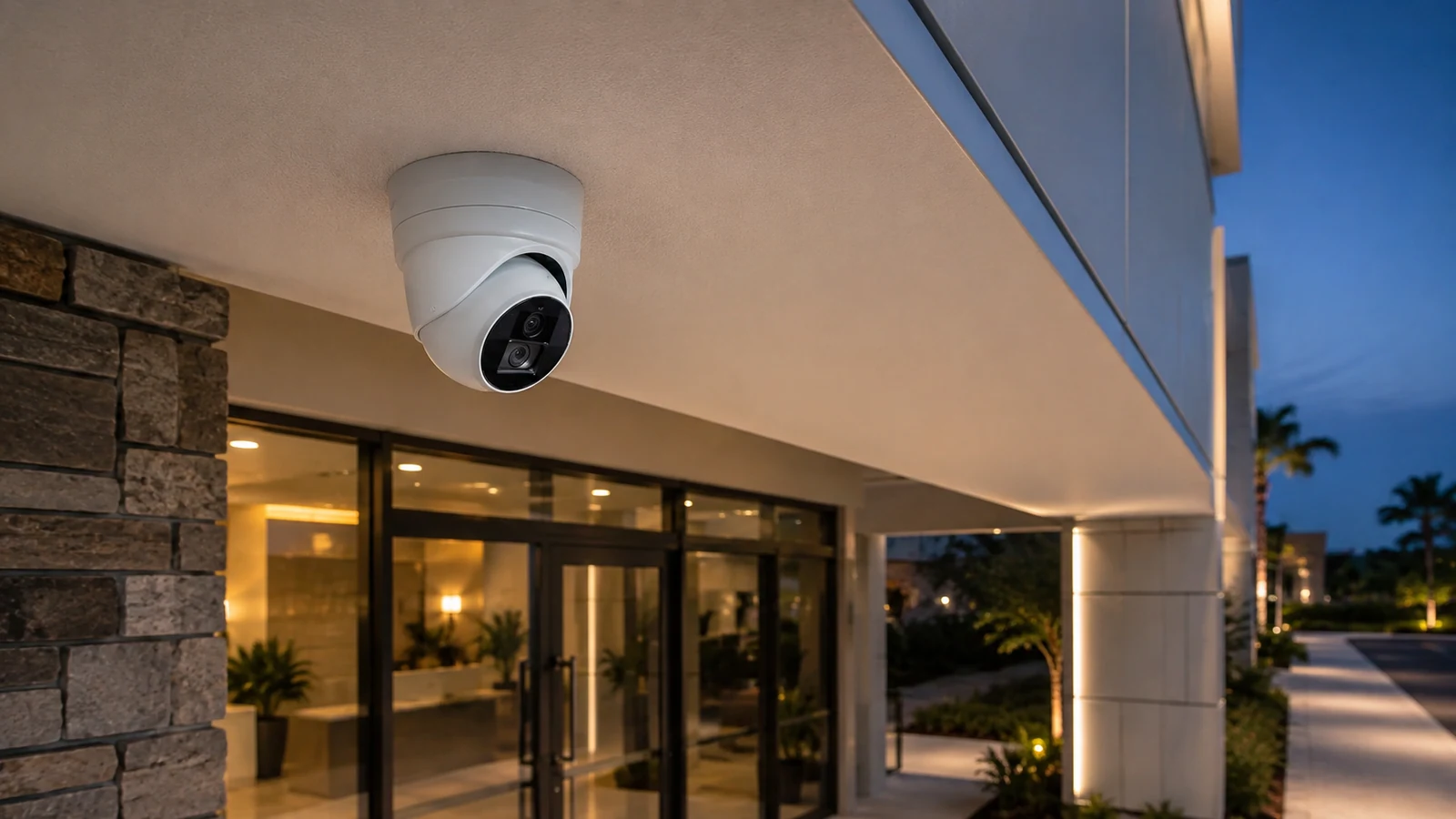
ANALOG, IP, AND HYBRID CCTV ENVIRONMENTS
Commercial CCTV modernization starts with the installed signal path. Analog cameras, coax, baluns, power supplies, DVR inputs, encoders, IP cameras, network links, and hybrid recorders may all exist in the same property.
Data Pro Communications evaluates which infrastructure remains viable, how mixed generations interact, and whether a staged DVR-to-NVR or analog-to-IP migration can improve the system without assuming a complete replacement.
Cable type, distance, connectors, grounding, interference, moisture, and image behavior determine whether a run may remain useful.
Channel inputs, formats, resolutions, licenses, storage, network cameras, and client software are compared before a DVR or hybrid recorder is replaced.
Analog, HD-over-coax where appropriate, encoded video, IP cameras, power methods, and adapters are mapped so compatibility gaps are visible.
Priority cameras, recorder constraints, temporary operation, retained pathways, and acceptance tests are organized by phase.
Many established properties have useful coax pathways, durable mounts, local power, or camera positions even when the DVR, cameras, image quality, remote access, or support model is aging. The modernization question is which parts still meet the next requirement.
A hybrid design can bridge existing and new video during transition, but it also introduces format, feature, storage, client, and administrative limits. Those tradeoffs should be understood before reuse becomes the default.
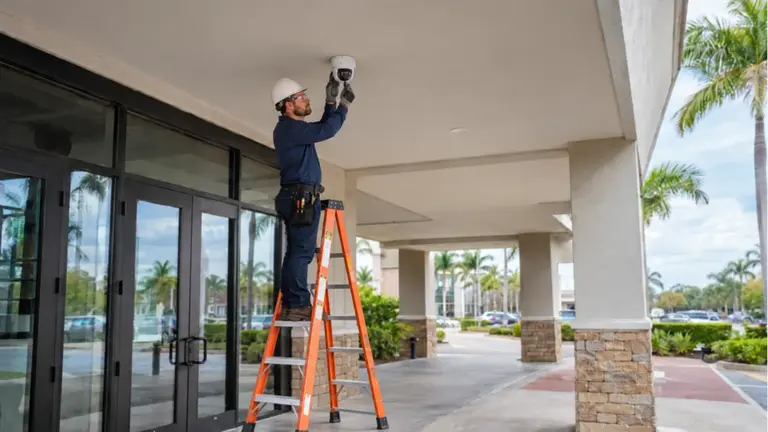
A cable may carry an image yet show noise, attenuation, moisture, shielding, connector, distance, or interference problems at higher formats.
Analog standards, HD-over-coax variants, encoders, resolutions, frame rates, and recorder channel support can differ across generations.
Central power supplies, local adapters, fused outputs, voltage drop, and shared faults may need correction independently from the video path.
Retained analog channels may not support the same analytics, metadata, audio, remote settings, or resolution as new IP cameras.
Trace cameras, coax runs, connectors, power supplies, baluns, amplifiers where present, DVR channels, and observed image condition.
Test or inspect retained pathways and power against the proposed format, distance, interference, grounding, and service expectations.
Compare recorder inputs, channel licensing, throughput, storage, remote clients, export, and compatibility with retained and new cameras.
Prioritize failed, low-detail, critical, or inaccessible views while preserving agreed coverage during phased work.
Use appropriate network conversion, new cabling, or recorder strategies where the property is moving from legacy signal transport to IP video.
Replace the recording platform while evaluating which analog paths and cameras can remain through an approved transition.
Coordinate newer IP cameras with retained coax coverage across docks, offices, and yards while documenting feature differences.
Modernize priority entrances and evidence areas first, then replace remaining channels as budget and operations allow.
Trace connector, power, grounding, interference, cable, camera, and recorder conditions before deciding whether the run is reusable.
Match each analog or coax format with recorder inputs, supported resolution, frame rate, audio, control, and conversion requirements.
Review impedance, shielding, distance, splices, corrosion, moisture, grounding, interference, and termination quality for retained runs.
Identify central and local supplies, voltage, current, fusing, shared loads, grounding, and whether new cameras change the demand.
Account for channel mapping, storage, exports, remote clients, user accounts, temporary recording, old-video access, and cutover timing.
New IP cameras may require PoE switching, network uplinks, fiber, or outdoor links while retained analog channels continue through coax and separate power. The migration plan must show where those paths meet the recorder.
Camera System Upgrades addresses broader feature improvement or expansion, while Troubleshooting isolates a specific failing channel. Commercial CCTV addresses the analog, coax, hybrid, and DVR/NVR environment during modernization.
Older commercial, warehouse, manufacturing, and managed properties may have coax routed through finished areas or across long operational paths. Reuse can reduce disruption when the cable is viable, but inaccessible routing also increases the importance of field evidence.
Large gated or equestrian properties may combine older entrance cameras and local power with newer IP coverage at barns or detached structures. A staged hybrid plan can preserve agreed views while backbone and recording systems change.
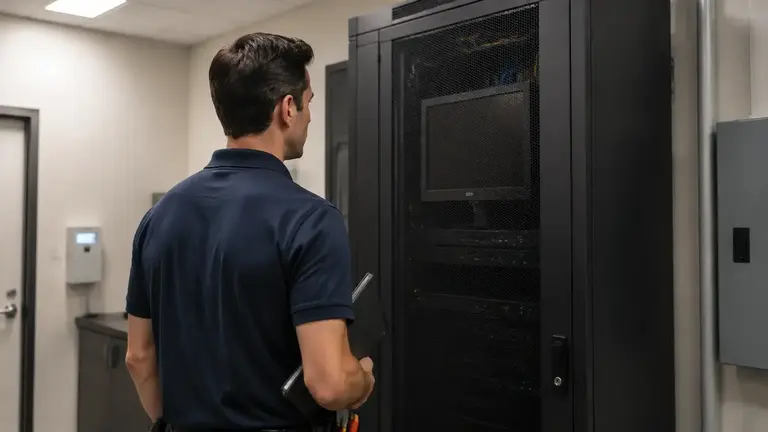
Use the upgrade service when the primary objective is broader feature improvement, expansion, or phased modernization regardless of the starting signal family.

Isolate a failed channel, damaged connector, power issue, recorder fault, or unstable image before deciding whether migration is required.
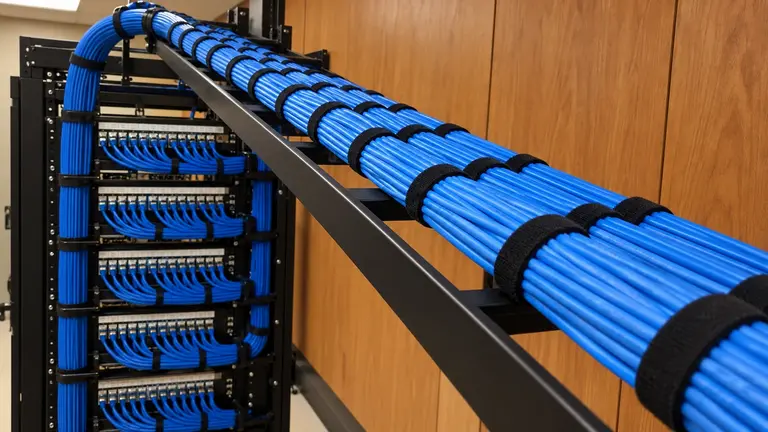
Use the cabling solution when new network runs, pathway changes, testing, labeling, or equipment-room terminations are part of the transition.
Legacy and hybrid CCTV is common where commercial interiors, warehouses, managed properties, or large sites have accumulated coax, local power, DVRs, adapters, and newer IP additions over several improvement cycles.
Map each channel from camera through coax, adapters, power, network conversion where present, and recorder input.
Compare condition, format, image need, compatibility, support, pathway access, and migration priority for every retained component.
Sequence DVR, NVR, hybrid inputs, camera groups, storage, client access, and temporary coverage around property operations.
Review live video, recorded playback, exports, remote clients, channel labels, retained coax, new IP streams, and documented limitations.
Data Pro Communications operates under FL License #EC13016138. Existing coax, power, cameras, recorders, and adapters are not represented as reusable until condition and compatibility are evaluated for the proposed migration.
Questions and answers
Commercial CCTV modernization begins with an existing analog, coax, IP, or hybrid environment. The assessment covers DVR/NVR transitions, mixed camera generations, retained pathways, and staged migration instead of assuming a clean-sheet installation.
Possibly. Cable type, condition, length, shielding, connectors, grounding, interference, moisture, signal format, and recorder compatibility must support the proposed channel.
A hybrid environment combines more than one signal or camera generation, such as analog or HD-over-coax channels with IP cameras on a recorder or VMS that supports both.
Sometimes. Camera formats, resolutions, frame rates, audio, control, channel count, storage, clients, and the new recorder's inputs must be compared before reuse is approved.
The migration may require IP cameras, network cabling or conversion, PoE, switches, channel mapping, storage, user accounts, client changes, exports, and a phased cutover.
Each camera and path is inventoried for signal, power, resolution, features, condition, compatibility, and priority. Retained and replacement groups are then documented by phase.
Yes. Connectors, shielding, moisture, interference, grounding, distance, power, and recorder inputs can affect the image. The channel should be traced before components are replaced.
No. It may reuse suitable coax in supported designs, but cable condition, distance, connectors, power, format compatibility, recorder support, and feature limits still matter.
No. Commercial CCTV focuses on legacy analog, coax, and hybrid conditions. Camera System Upgrades addresses planned modernization or expansion regardless of whether the starting system is analog or IP.
Yes. Phases can prioritize critical views, recorder transition, failing channels, new IP coverage, remote access, and later replacement while defining temporary operation and acceptance for each stage.
Share camera and recorder models where known, coax and network conditions, failing channels, recording needs, desired new features, and phasing constraints to begin a modernization review.