
Lady Lake Property Context
Lady Lake combines established US 27/441 businesses with medical, retail, multifamily and compact warehouse development, each with its own access and infrastructure needs.
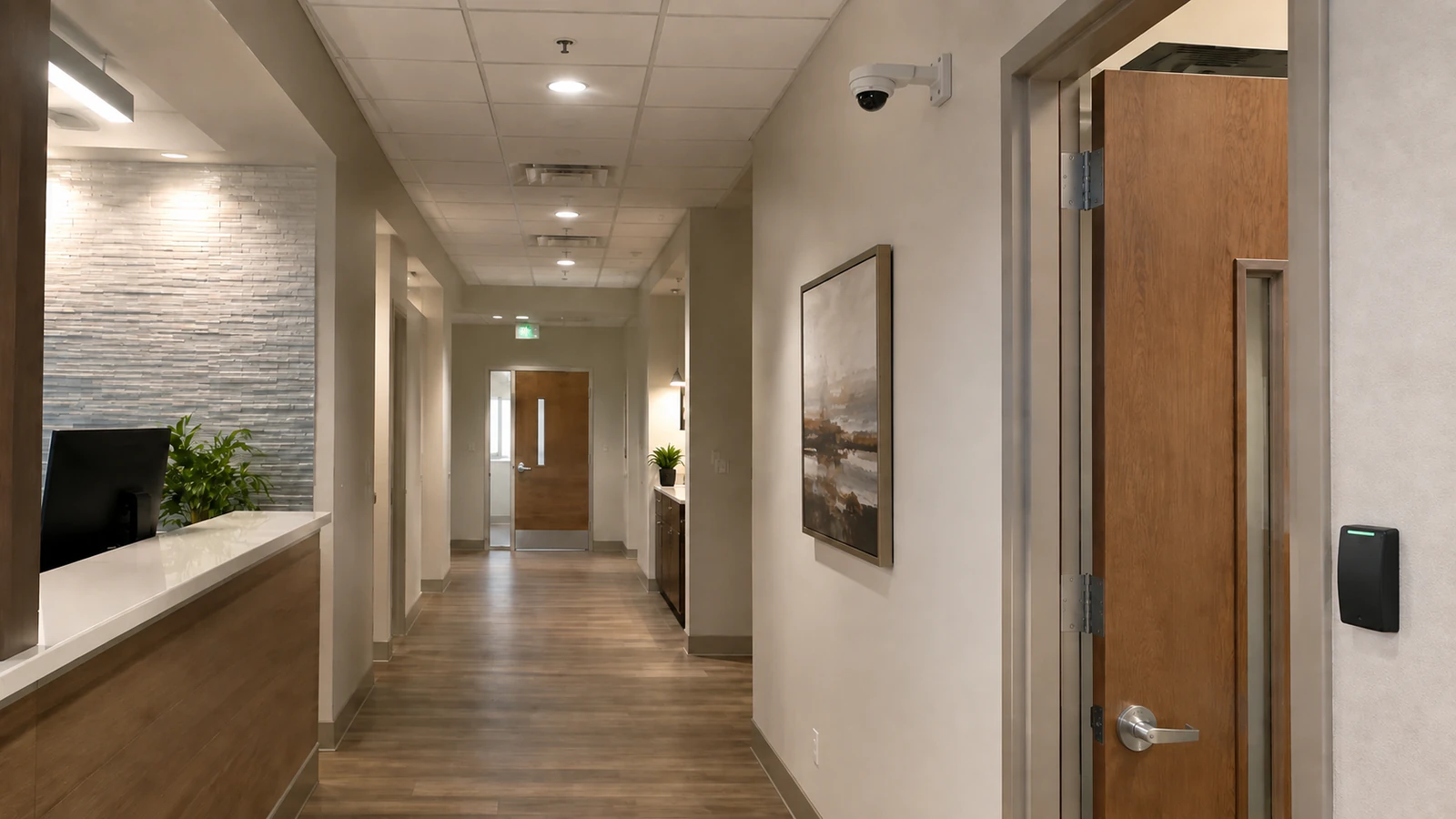
COMMERCIAL SYSTEM PLANNING FOR LADY LAKE PROPERTIES
Lady Lake has its own town-scale business environment alongside the northern edge of The Villages. Current development includes retail, medical-office, multifamily and warehouse activity, so camera projects often need to coordinate an occupied site with expansion, new tenant work or changing access patterns.
Lady Lake projects can involve an occupied medical office, an established retail property, a multifamily common area or a compact warehouse under development. Data Pro Communications reviews the actual access plan, privacy boundaries and network conditions before recommending cameras or supporting infrastructure.
Lady Lake combines established US 27/441 businesses with medical, retail, multifamily and compact warehouse development, each with its own access and infrastructure needs.
Lady Lake projects separate US 27/441 customer approaches, medical-office access, multifamily common areas and warehouse movement by their real operating purpose.
Established in-town businesses often need a route that respects finished interiors and limited telecom space while keeping the recorder and switches accessible.
Data Pro Communications provides project-specific low-voltage work under FL License #EC13016138 for qualifying Lady Lake properties, including verified needs around compact warehouse sites.
The local planning question is not simply whether a property is near The Villages. A Lady Lake project may involve a US 27/441 customer entrance, a medical office with controlled staff space, a multifamily amenity area or a compact warehouse that needs dependable after-hours visibility.
Relevant properties include US 27/441 retail properties, medical and professional offices, established in-town businesses, new multifamily communities, compact warehouse sites, and town-centered civic or managed properties. Lady Lake work joins new growth to existing operations carefully, using the town property’s own access, ownership and network constraints rather than assumptions borrowed from nearby communities.
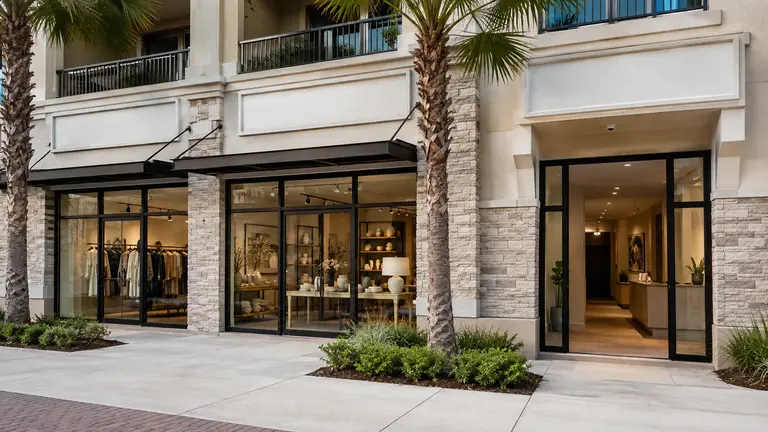
New phases or neighboring construction can change vehicle approaches, lighting and temporary access.
Medical, retail, office and multifamily environments require different privacy boundaries and installation timing.
A modest building can still have long interior aisles, rear doors and yard views that need separate lens decisions.
A site near a larger planned community may share roads or visual context without sharing system ownership.
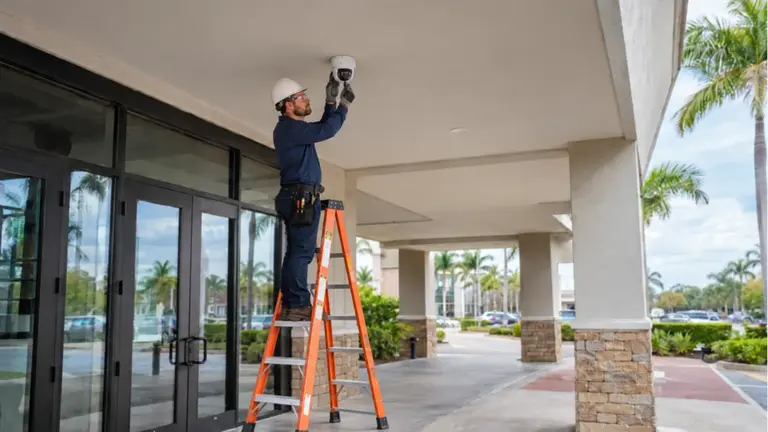
Retail approach, clinical arrival and multifamily common-area activity are framed as separate evidence needs, not variations of one wide shot.
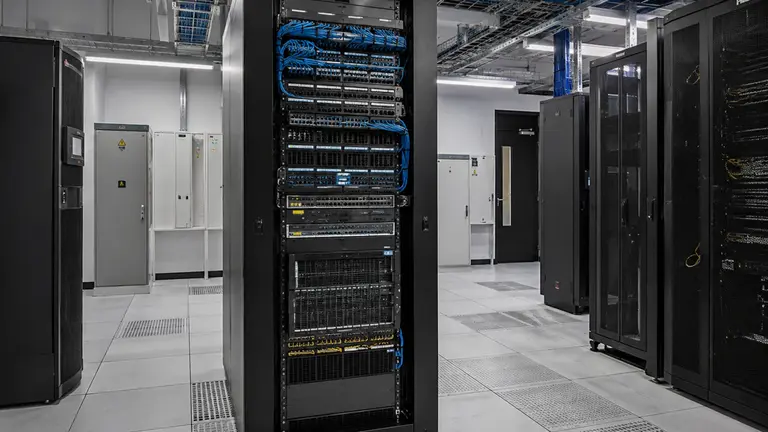
Medical-office recording capacity follows the required review period and camera load, while remote access must work within the practice or property network owner’s rules.
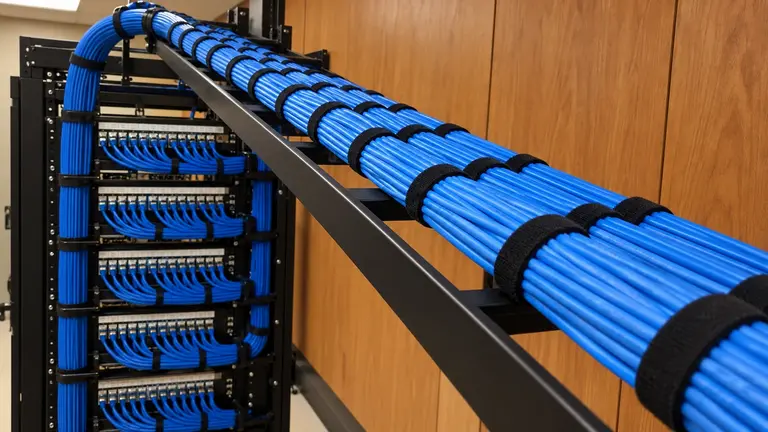
In occupied Lady Lake buildings, documented pathways avoid inaccessible remodel cavities and keep new terminations clear of abandoned wiring.
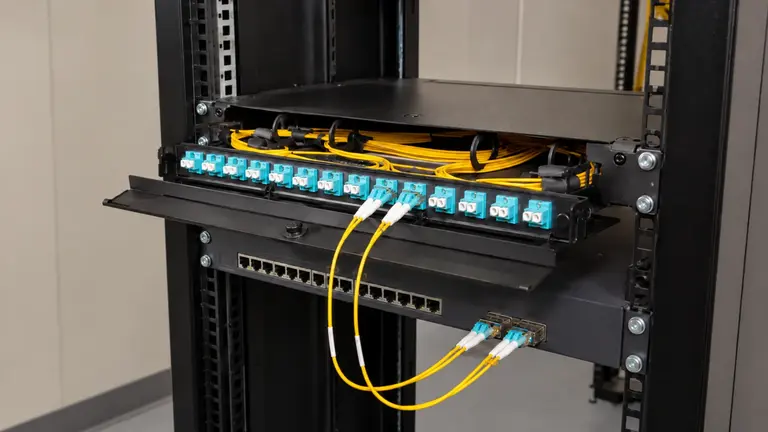
A multifamily project identifies the managed network contact, secure head-end and available switching before common-area video is connected.
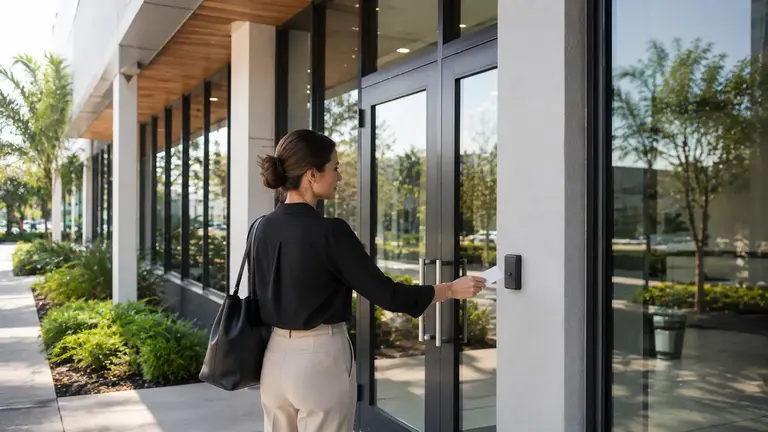
At an in-town business, door video is coordinated only if the business controls the entry system and can manage the combined workflow.

Lady Lake sites with additions or tenant changes may have several generations of equipment; image testing and support status determine which pieces remain useful.
US 27/441 retail coverage isolates the customer threshold and business parking approach without using the roadway or adjacent parcel as a substitute target.
Medical offices use distinct arrival, staff and service views that respect controlled clinical space and the customer’s stated privacy boundaries.
New multifamily exteriors are reviewed for building ownership, lighting, mounting and the path to the managed telecom location.
Warehouse installation fits receiving periods and tenant occupancy, with cutover work kept clear of active loading and circulation.
An established business is surveyed for usable interior routes and equipment space before new construction or an outdoor extension is proposed.
Managed town properties need a named authority for common-area footage, user permissions and the final equipment record.
A Lady Lake survey compares the highway-facing customer zone with staff, clinical or residential-managed areas, documenting who owns each entry, light and network segment.
Existing interiors and new outdoor transitions are traced from device location to head-end so the selected transport can be installed and serviced cleanly.
At compact warehouses, existing cameras are viewed under operating light, cable endpoints are proven and recorder administration is recovered before reuse is approved.
Work is phased around medical appointments, retail hours or receiving activity according to the property being served.
Final Lady Lake testing confirms each approved scene, playback duration and device name, then reconciles the results with the closeout schedule.
A retail door event can retrieve the matching entrance view after the customer confirms system ownership and accepts the tested association.
Intercom at a medical or professional office requires an agreed visitor response, authorized release role and appropriate treatment of audio.
Recording for an established business should remain supportable from its secure equipment location without depending on an unmanaged connection.
Multifamily integrations identify property-management, IT and access responsibilities before cameras touch shared doors or network services.
Confirm permanent entrances and future phase limits before fixing exterior views on an actively developing property.
Separate customer, resident, clinical, staff and delivery zones in the view schedule so privacy and operational needs remain clear.
Lady Lake’s US 27/441 businesses, medical offices, multifamily properties and compact warehouse development create a town-specific mix. Planning should follow the site’s own access and ownership boundaries rather than borrowing assumptions from The Villages.
Lady Lake installation combines site-specific views with a recording location that the local business or property operator can maintain.
Medical-office footage is retained for an agreed business period, and each off-site viewer receives an individual account with limited permissions.
Where new construction meets an older system, supported cameras can be retained selectively while obsolete recording or account controls are replaced.
Structured Cabling
Multifamily cabling returns common-area devices to the authorized building telecom space through routes recorded for future maintenance.
Network Infrastructure
Compact warehouse switching is based on camera traffic, uplink capacity and secure cabinet conditions rather than the building’s size alone.
Credentials for an established business door remain with the customer’s designated administrator and follow its employee or vendor access rules.
Lady Lake’s independent town context meets the northern Villages area, yet its medical, retail, multifamily and warehouse projects retain their own site plans and approval paths.
Lady Lake service requests are reviewed as town-specific properties, even when the address is close to The Villages. The site plan, road access, medical or retail occupancy, multifamily authority and available telecom facilities shape the survey and service confirmation.
The first visit follows public access from US 27/441 into staff or managed areas and locates the equipment spaces serving each zone.
Lady Lake operating events, from a medical arrival to warehouse receiving, are converted into scene-detail and lighting tests appropriate to that property.
The scope names the parties responsible for routes, power, network changes, inherited-equipment decisions and installation timing at the occupied site.
Once warehouse or managed-property views perform as approved, recording retrieval is demonstrated and the customer’s designated contact receives the labeled closeout material.
Data Pro Communications serves commercial and professionally managed projects from the approved Ocala branch at 603 E Fort King St, Ocala, FL 34471. Call (352) 517-4404. FL License #EC13016138. License information is presented factually and does not replace project-specific permitting or compliance review.
Questions and answers
Lady Lake has its own town jurisdiction and mix of retail, medical, multifamily, warehouse and established local businesses. The site plan is based on the actual Lady Lake property, not a generalized master-planned-community assumption.
Public and staff entrances, parking, reception boundaries, network ownership and construction responsibilities should be defined. Cameras must stay outside privacy-sensitive clinical areas unless a specific lawful need is approved.
They can, but final roads, buildings, landscaping and telecom locations should be reviewed first. Temporary views should be identified as temporary so they do not become accidental permanent coverage.
The survey focuses on approved shared areas such as entrances, amenities, management space and vehicle access. It also defines who may view footage and how resident privacy is protected.
Even a compact warehouse may need separate dock, aisle, personnel-door and exterior-yard views. Lighting and lens choices matter more than simply increasing the camera count.
Capacity depends on supported channels, resolution, storage, licensing, firmware and network throughput. Those factors are checked before an upgrade is promised.
The plan distinguishes property access from passing roadway traffic. Dedicated entrance geometry may be needed when vehicle detail matters; a broad lot view is not treated as a plate camera.
Yes. Pathways, device locations and telecom spaces can be aligned with the construction schedule. Responsibility for ceilings, power, doors and patching should be assigned in writing.
Useful items include the current site plan, future-phase drawings, operating hours, access rules, existing camera credentials and a network contact. A list of priority events is more useful than a desired camera quantity alone.
The findings are organized into target views, infrastructure needs, reuse decisions and sequencing. The customer receives a project-specific proposal before any installation commitment is made.
Request a site survey for your Lady Lake commercial property so the team can review entrances, shared areas, current systems and planned development. The resulting scope will reflect the property’s medical, retail, multifamily, office or warehouse setting without treating it as interchangeable with The Villages.