
Workflow-led design
The call path, answering role, transfer behavior, after-hours handling, and release authority are defined before devices are selected.
Commercial Technology Solutions | Ocala and Marion County
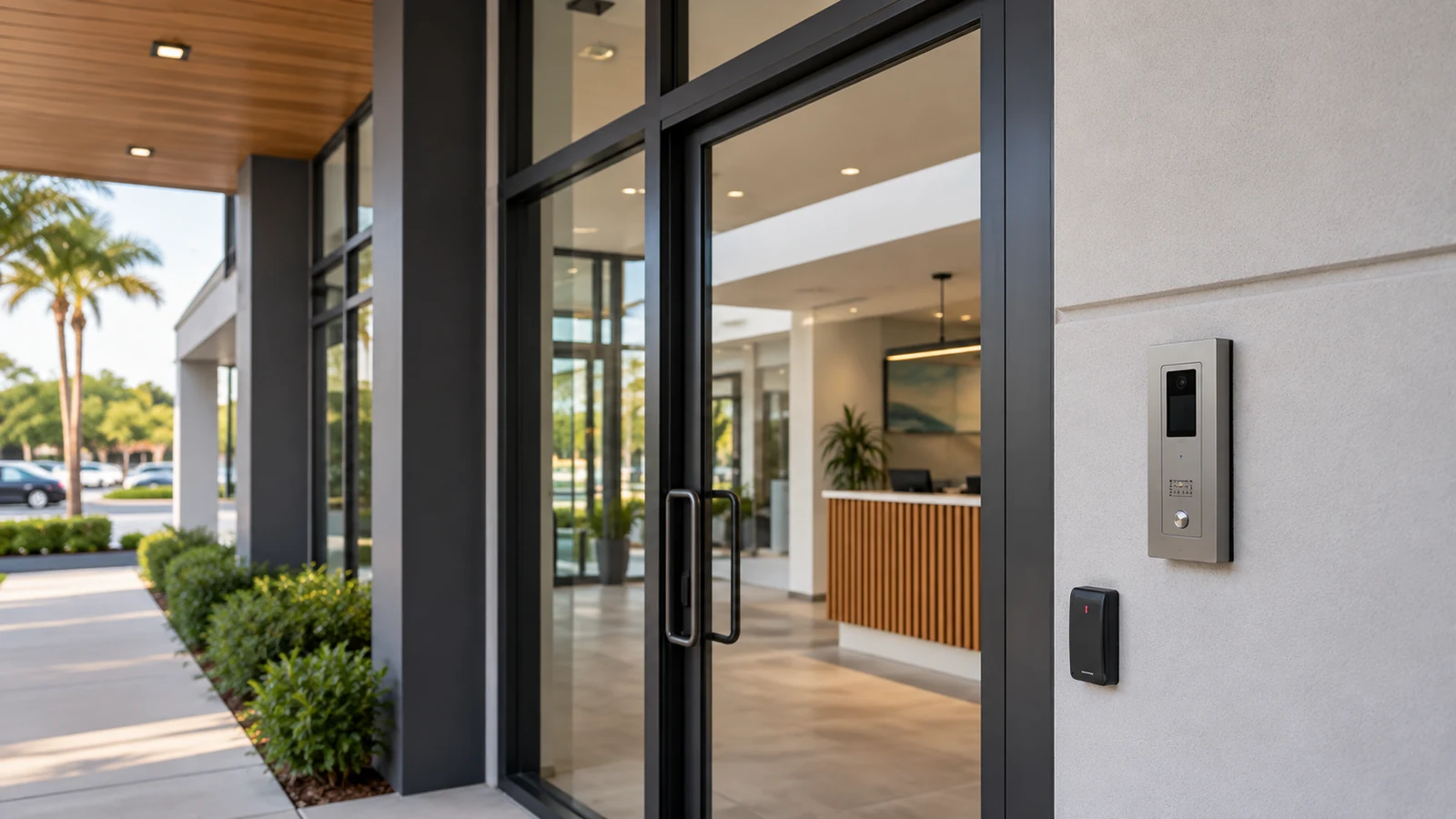
An intercom gives a visitor a clear way to reach an authorized person before entry is released. Commercial systems can connect door or gate stations with reception desks, offices, mobile answering, or other approved endpoints while coordinating audio, video, network, power, and release responsibilities.
The best intercom is one that reaches somebody authorized to respond. Entrance conditions, staff coverage, directory logic, notification behavior, audio/video quality, and the approved release interface all shape whether the visitor interaction works.
The call path, answering role, transfer behavior, after-hours handling, and release authority are defined before devices are selected.
Station placement, camera view, microphone, speaker, lighting, noise, and accessibility are considered at the visitor position.
The intercom can request or initiate an approved release, but it does not replace correct door or gate control.
FL License #EC13016138 is presented factually without implying universal compatibility with locks or operators.
A clear call button is only the beginning. The design must determine who answers, what they can see or hear, how calls move when reception is unavailable, which opening can be released, and what happens when network, power, or staff availability changes.
Calls fail operationally when nobody is assigned to answer during breaks, after hours, or changing staffing schedules.
Road noise, wind, hard surfaces, machinery, and distance from the visitor can reduce intelligibility.
A user may answer successfully but lack a correctly integrated door or gate release, creating confusion or unsafe workarounds.
Mobile or off-site answering can depend on internet access, accounts, notifications, device permissions, and service availability.
Provide a visitor call point with audio and, where appropriate, a camera suited to the entrance view.
Route calls to a staffed desk, console, handset, or approved application aligned with operating hours.
Support authorized off-site or mobile response when the selected platform and network services permit it.
Connect an approved output to the controlled door or gate interface without bypassing required access or safety behavior.
Organize tenant, department, or role-based destinations so visitors can reach an appropriate responder.
Configure available logs or snapshots according to the platform, owner policy, privacy needs, and retention settings.
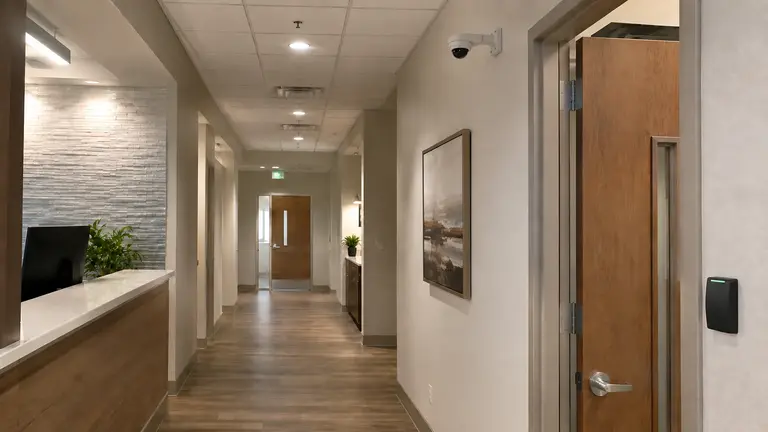
Let a visitor reach staff before a controlled door is released outside ordinary open-door hours.
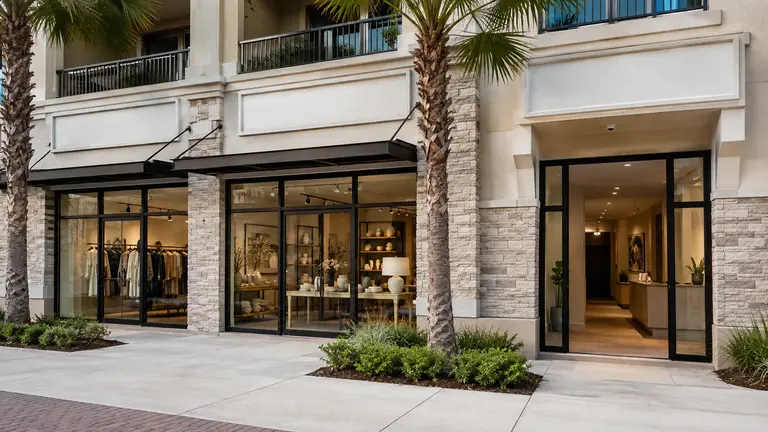
Route visitors to the correct tenant or central desk without granting unrestricted access.
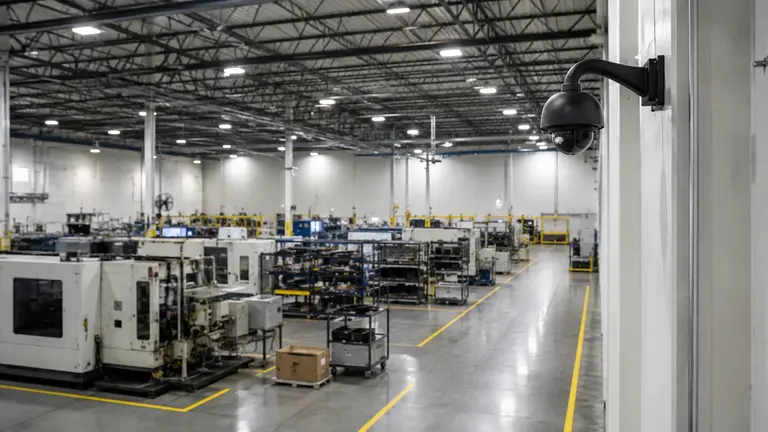
Provide communication at a noisy or separated entry where drivers and vendors need instructions.
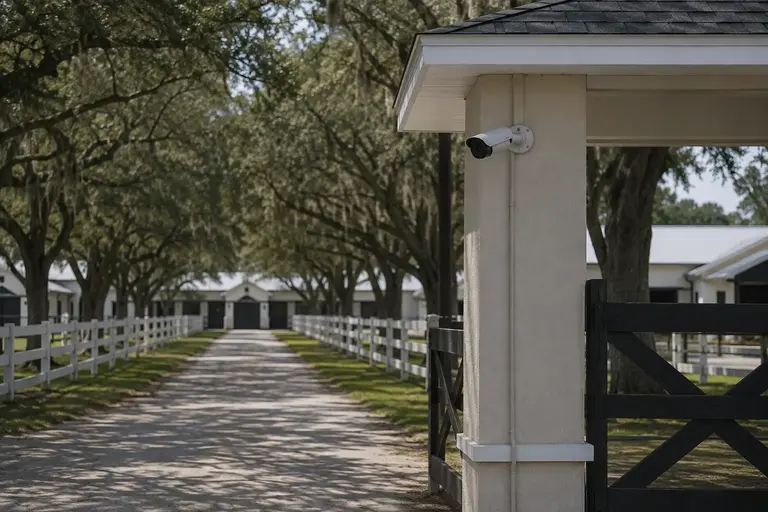
Connect a remote entrance to the house, office, or authorized mobile responder while the Gate Access scope handles operator and vehicle workflow.
Define arrival point, call initiation, answering destination, verification, release authority, fallback, and after-hours handling.
Review mounting height, approach, camera scene, lighting, weather, noise, vandal exposure, and accessible use.
Confirm cable, PoE or local power, switch capacity, internet dependencies, accounts, and remote-notification requirements.
Document which opening is controlled, the interface owner, permitted release behavior, and response during loss of service.
At a controlled door, the intercom can support visitor verification before access is released. At a vehicle gate, it can become one part of a larger workflow that also includes the operator, detection, credentials, cameras, and property procedures.
Professional offices may have a nearby reception desk, while industrial sites, managed communities, and large equestrian properties can place the visitor far from staff. The answering design should match the distance, staffing model, noise, and release authority at that specific entrance.
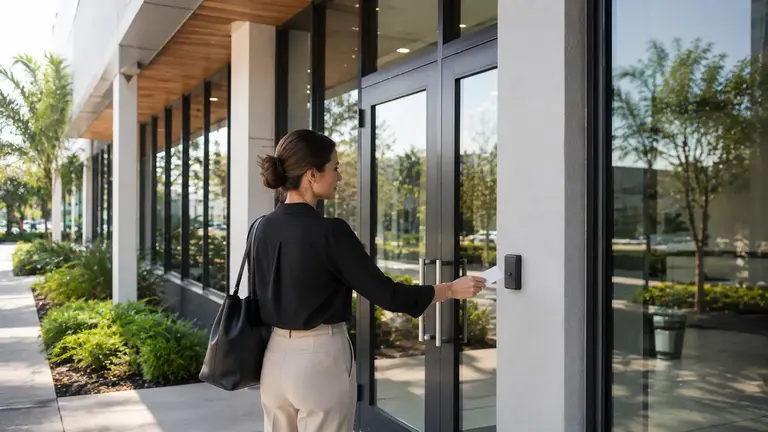
Coordinate a controlled door, credentials, schedules, and monitored opening with visitor release.
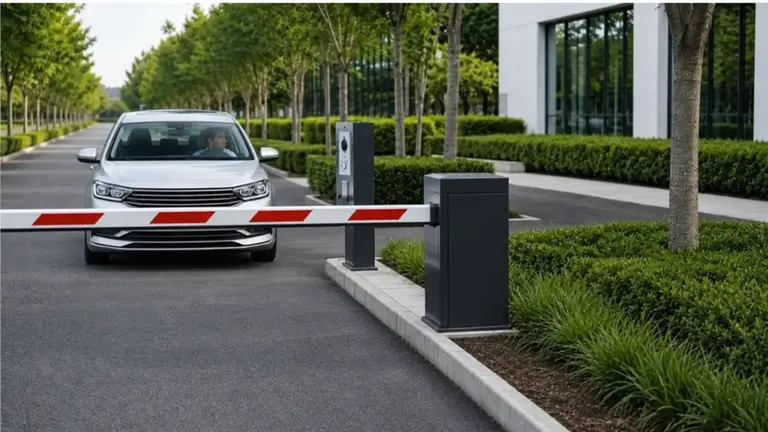
Integrate communication into a vehicle entrance with operator, detection, credential, and verification requirements.
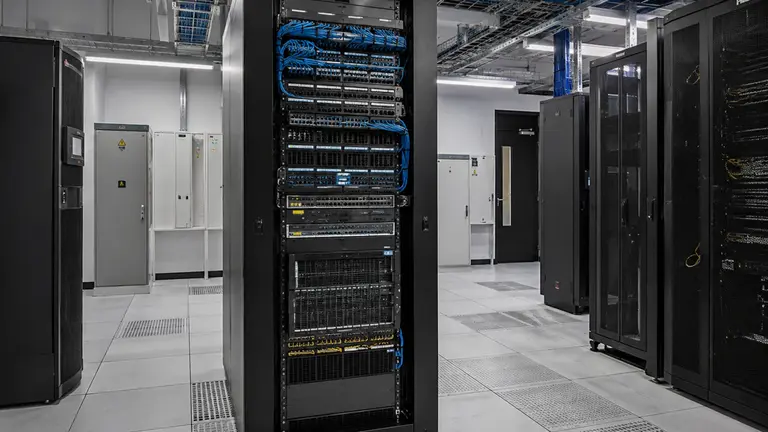
Provide switching, PoE, segmentation inputs, and connectivity for IP-based intercom endpoints.
Reception teams, property managers, security staff, offices, clinics, industrial sites, communities, and equestrian facilities use intercoms for visitor communication; full gate-entry design remains separate.
Assign destinations, operating hours, transfers, fallback contacts, and release authority.
Check approach, weather, mounting, lighting, sound, camera view, network, and power.
Coordinate the intercom output with the door-access or gate-entry design.
Test call quality, video, routing, notifications, release, event records, and loss-of-service behavior as applicable.
Ocala Security Cameras by Data Pro Communications is operated by Data Pro Communications for the Ocala Branch. Contact information: 603 E Fort King St, Ocala, FL 34471; (352) 517-4404; info@dataprocommunications.com. FL License #EC13016138.
Questions and answers
An intercom lets a visitor communicate with an authorized responder. Access control grants or denies entry based on credentials and permissions. They can share a release workflow but solve different problems.
Some platforms support mobile answering, subject to compatible equipment, licensing or services, internet access, notification permissions, accounts, and owner policy. The operating dependency should be clear before selection.
No. Its camera is typically designed to support the interaction at the station. Broader coverage, recording, scene design, retention, and incident evidence belong to a surveillance scope.
An approved intercom output can request release through the access-control or door hardware interface. The design must preserve required egress, lock behavior, power, and administrative controls.
Many systems can route, ring groups, forward, or use directories, but exact behavior depends on the platform and configuration. The call flow should avoid creating unanswered loops or excessive notifications.
Wind, traffic, machinery, reverberation, mounting position, visitor distance, speaker volume, microphone sensitivity, enclosure condition, and network quality can all affect intelligibility.
Yes, when power, network connectivity, weather exposure, mounting, gate interface, vehicle position, and answering workflow are addressed. An intercom supports visitor communication, while the complete vehicle-entry system also requires gate control, detection, access, connectivity, and entrance-workflow planning.
Cloud or off-site functions may be unavailable. The project should identify local behavior, alternate contact procedures, gate or door operation, and how staff respond during a service interruption.
Capabilities vary. Audio, video, snapshots, or event records may be available depending on the platform, configuration, storage, privacy policy, and retention settings. Recording should never be assumed.
Provide the entrance type, visitor approach, answering locations, staffing hours, release method, network and power conditions, noise or weather concerns, desired directory, and any existing door or gate equipment.
Request a review of the station, call path, answering endpoints, release interface, and operating dependencies.