
Equestrian property walkthrough
The survey follows the main gate, trailer arrival, staff routes, barns, arenas and remote structures.
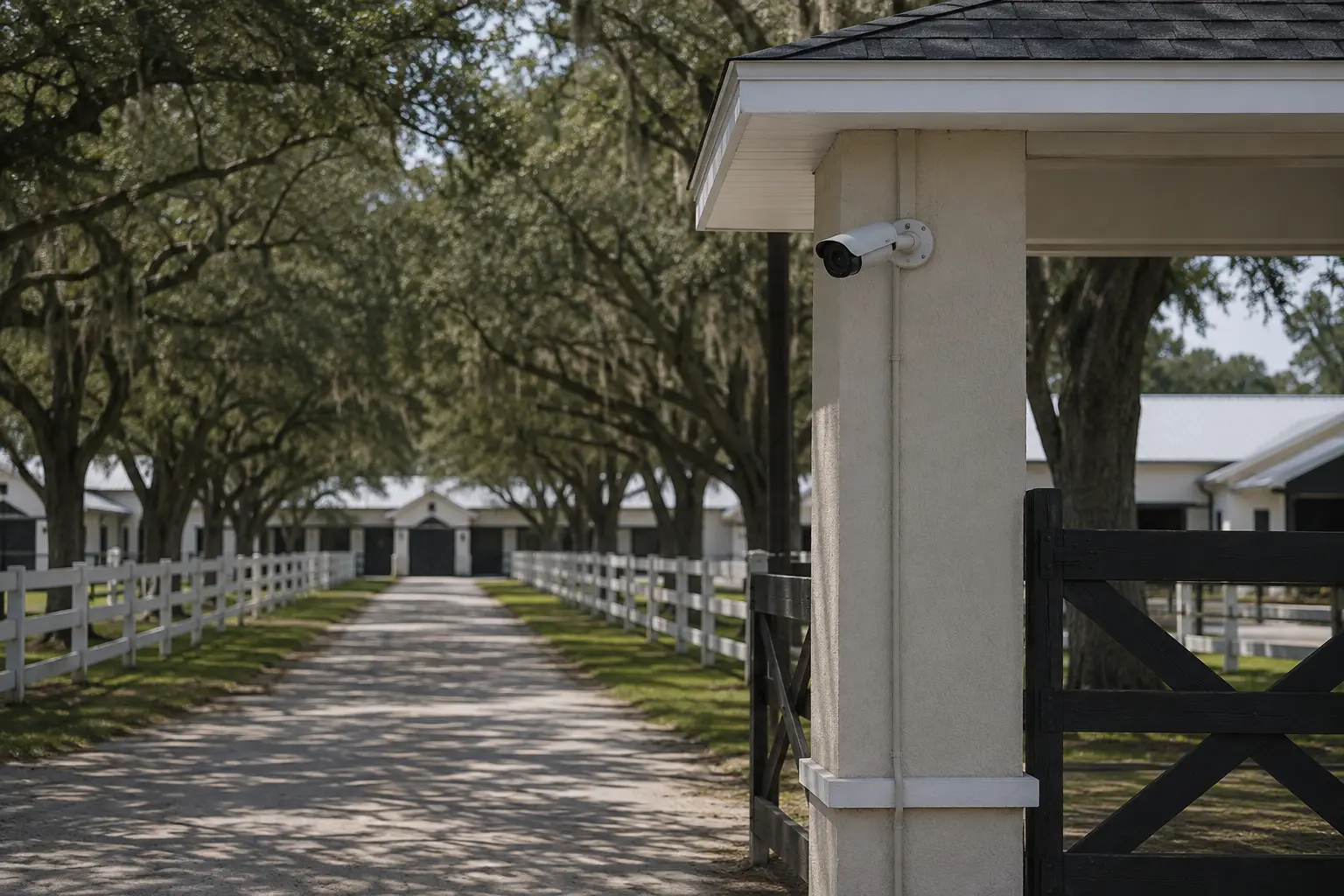
GATES, BARNS, ARENAS AND CONNECTIVITY ACROSS MARION COUNTY ACREAGE
Horse farms, breeding and boarding operations, training centers and equestrian facilities spread daily activity across long driveways, gates, barns, arenas, trailer areas and detached buildings. A system must bridge those distances while respecting animal movement, staff routines and outdoor conditions.
Data Pro Communications plans cameras, gate access, intercom, fiber, point-to-point wireless and network infrastructure for professionally operated equestrian properties in Ocala and Marion County.
Project planning principles
The survey follows the main gate, trailer arrival, staff routes, barns, arenas and remote structures.
Fiber and engineered outdoor wireless options are compared by distance, pathway, line of sight and service needs.
Equipment locations avoid creating obstructions or implying veterinary or behavioral monitoring.
Remote switches, links, cameras and power dependencies are labeled for the people who maintain the property.
An Ocala horse property can function like a distributed campus. The entrance may be hundreds or thousands of feet from the main barn, staff may work across multiple structures and trailers or vendors may arrive when the owner is elsewhere.
Camera placement should provide operational visibility at gates, barn approaches, storage and training areas without claiming to diagnose animal health or prevent incidents. Connectivity is the foundation that makes those views reachable.
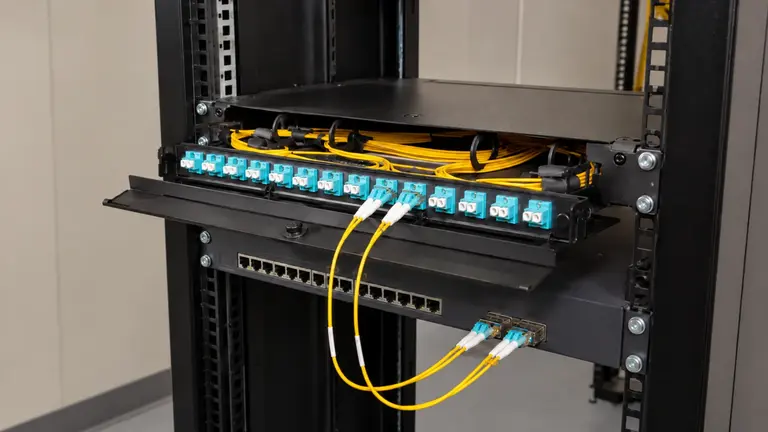
Barns, arenas, offices and residences may sit beyond copper Ethernet distance.
Lightning, moisture, heat, trench routes and equipment enclosures affect reliability.
Intercom, credentials, cameras and operator controls need power and a dependable link to staff.
Devices and cabling must stay clear of animals, equipment, wash areas and vehicle swing paths.
Coordinate arrival context, intercom, credentials and operator dependencies along a long driveway.
Select appropriate approaches, aisles or storage areas without positioning cameras for medical observation.
Provide broad operational views from safe locations that do not interfere with riding activity.
Create a durable backbone where conduit routes and distance support fiber.
Connect a clear-line-of-sight structure when trenching is impractical and power is available.
Cover parking, service entrances and controlled handoff areas used by haulers and suppliers.
Capture arrivals at a controlled point before vehicles reach active horse areas.
Support staff oversight of entrances, aisles and approved storage areas without medical claims.
Establish a safe wide context view for operational review, not performance guarantees.
Use focused access and camera context where property management considers it appropriate.
Account for vehicle length, lighting and the route between gate and unloading area.
Extend network service through fiber or an engineered wireless link with documented power and enclosure needs.
Drive and walk from public road to gate, barns, arenas, trailer areas and far structures.
Compare trench, conduit, fiber and line-of-sight options rather than forcing one technology.
Keep mounts, cabinets and cable paths outside contact, washdown and trailer-swing zones.
Locate switches and enclosures where technicians can reach them without disrupting horse operations.
At a remote farm entrance, the gate operator, safety devices, credential reader, intercom, overview camera and dedicated vehicle view all depend on reliable power and connectivity. The complete arrival sequence should be tested from road approach to staff response.
Fiber is often the strongest long-term link between barns when a suitable pathway exists; point-to-point wireless can serve clear-line-of-sight buildings where trenching is impractical. The site determines the tradeoff.
Marion County's horse farms and training properties are a defining Ocala operating environment. Large acreage, multiple barns, gated drives and heavy trailer movement make a standard suburban or commercial-building layout inadequate.
The survey should include barn managers, trainers or property staff who understand daily routes, seasonal activity and where connectivity fails today. No private farm, client relationship or veterinary capability is implied.
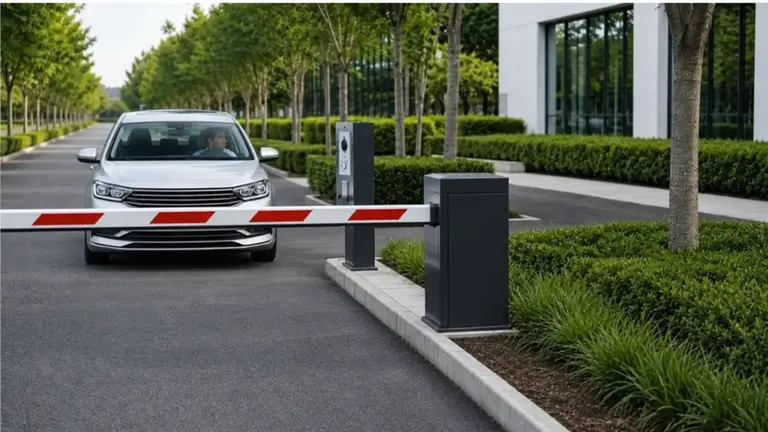
For equestrian facilities, horse farms & training centers, this service supports the operating need to coordinate arrival context, intercom, credentials and operator dependencies along a long driveway. Site planning should drive and walk from public road to gate, barns, arenas, trailer areas and far structures.
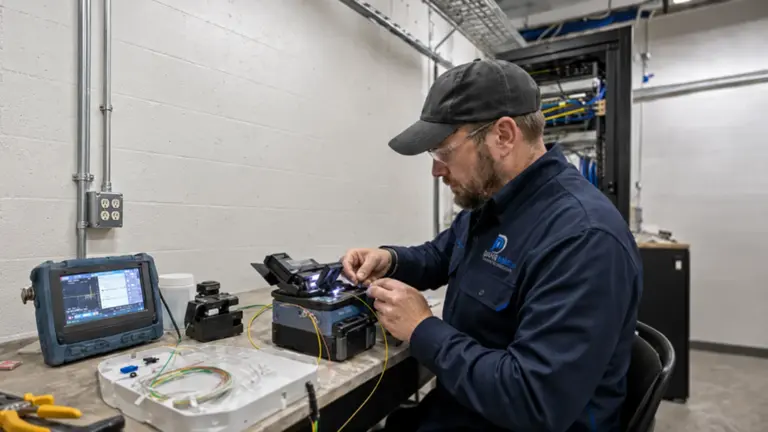
For equestrian facilities, horse farms & training centers, this service supports the operating need to select appropriate approaches, aisles or storage areas without positioning cameras for medical observation. Site planning should compare trench, conduit, fiber and line-of-sight options rather than forcing one technology.
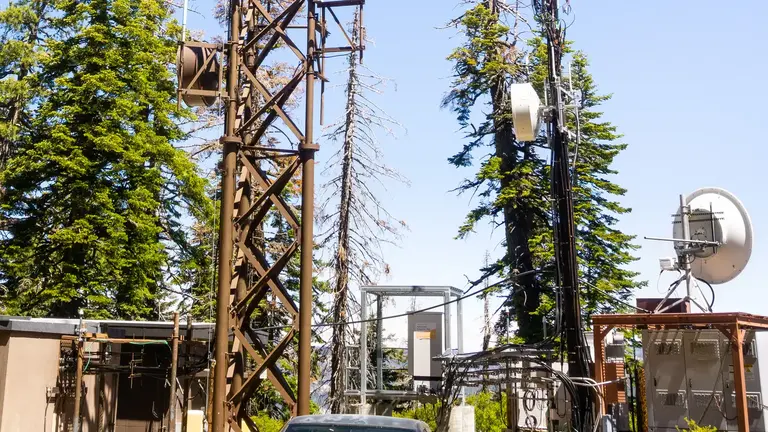
Plan outdoor wireless bridges for detached buildings, gatehouses, barns, yards, and remote cameras with path, mounting, RF, power, and capacity review.
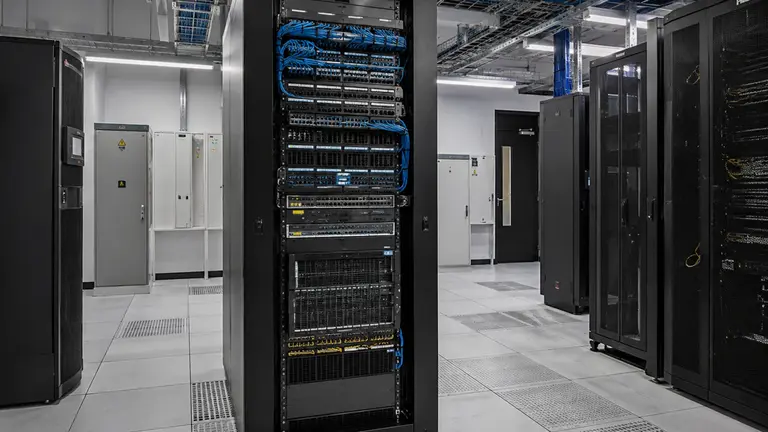
Design network-native IP video surveillance in Ocala with PoE, switching, bandwidth, fiber uplinks, remote buildings, recording, and managed access.
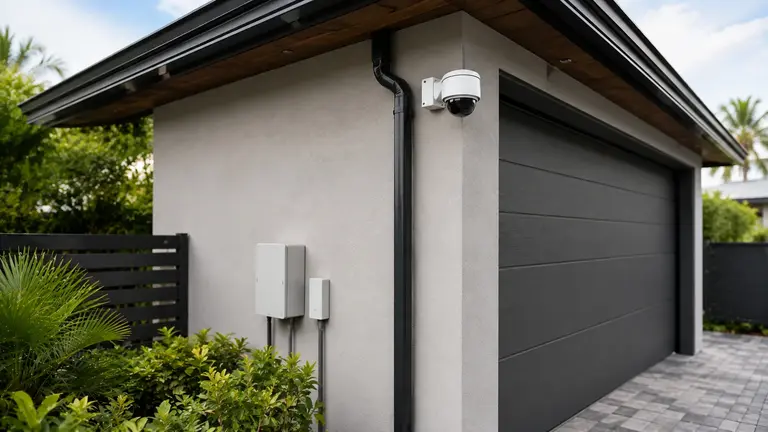
Equestrian Facilities, Horse Farms & Training Centers properties can overlap with select residential properties operations when gate communications and cameras may be far beyond standard network distance. In those areas, the system should coordinate operator, intercom, credentials and camera context at a remote entrance.
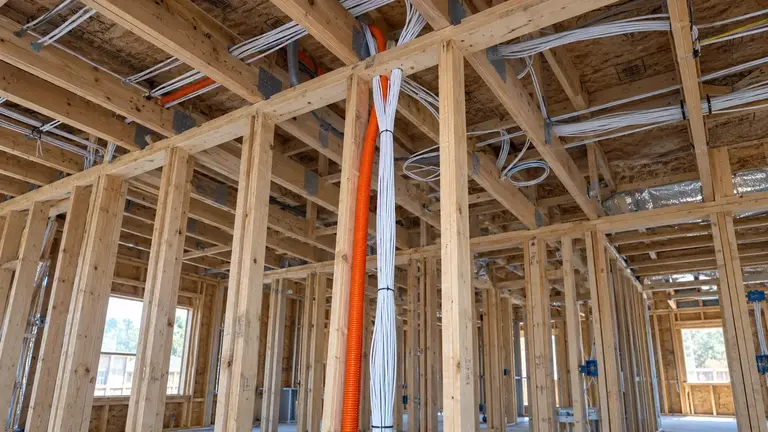
Equestrian Facilities, Horse Farms & Training Centers properties can overlap with construction & general contractors operations when missing camera views or door functions can force pathway changes after finishes are installed. During farm construction or renovation, plans should preserve gate, barn and arena device locations together with protected routes for fiber, power and communications.
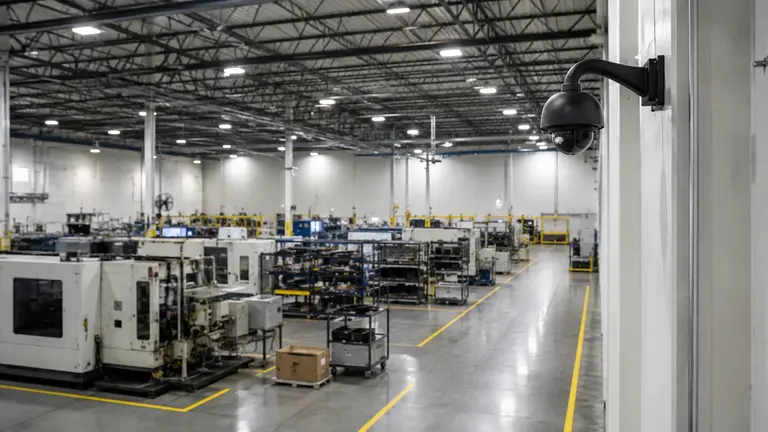
Equestrian Facilities, Horse Farms & Training Centers properties can overlap with manufacturing & industrial operations when mounting and cable work must avoid machinery, process hazards and restricted work areas. Around barns and arenas, approved views must come from mounts that technicians can reach without entering horse-contact, washdown or trailer-swing zones, and they must not imply animal or performance monitoring guarantees.
Document driveways, barns, arenas, staff locations, trailer routes and current connectivity.
Select fiber, outdoor wireless, remote switching, power and enclosure strategies.
Install cameras, gate communications and network equipment clear of animal and vehicle movement.
Test links, views, intercom, access and remote service under realistic property conditions.
Data Pro Communications serves commercial and professionally managed projects from the Ocala Branch at 603 E Fort King St, Ocala, FL 34471. Call (352) 517-4404. FL License #EC13016138. License information is presented factually and does not replace project-specific permitting, design or code review.
Questions and answers
Bring a property map showing gates, barns, arenas, trailer areas, long driveways and detached structures. Note farm activity schedules, available power, network and equipment locations, existing systems, underground or aerial pathways and the people who can approve access around horse operations.
Barns, arenas, offices and residences may be separated by distances that exceed copper Ethernet limits. The survey measures each route, checks available power and line of sight, and evaluates fiber or engineered point-to-point wireless where it can provide a serviceable connection between approved equipment locations.
Possibly. Existing gate and camera equipment must be checked for supported operation, condition, credentials, cabling and available network capacity. Retained components also need to fit the planned intercom, operator and arrival-view dependencies along the driveway.
The driveway survey measures the approach and identifies gates, turns, vehicle and trailer movement, changing light, mounting points, power and the route back to network equipment. Camera and communication locations are selected before vehicles reach active barn or arena areas.
Gate access adds value near breeding or boarding barns when staff need a defined way to manage vehicles, deliveries and authorized entry without placing equipment in horse-contact or trailer-swing zones. The plan confirms operator safety devices, communications, camera context, power and the connection to the farm network.
The customer responsible for equestrian facilities, horse farms & training centers should name the people who manage users, credentials, exports and service access. That role should manage approved camera users, views and exports for barn approaches, aisles and storage areas without treating the system as a medical-observation tool.
Work in the equestrian facilities, horse farms & training centers environment is phased around its schedule and restricted areas. The plan calls for the team to keep mounts, cabinets and cable paths outside contact, washdown and trailer-swing zones. Any outage or temporary access change for this equestrian facilities, horse farms & training centers scope is confirmed in advance.
An arena camera should provide the approved wide operational context from a mount that is outside riding, washdown and service conflicts. The survey checks glare, dust or weather exposure, structural attachment, cable protection and the detail available across the arena. The documented view is not presented as a performance or animal-monitoring guarantee.
It can be appropriate for equestrian facilities, horse farms & training centers, provided recording, bandwidth, user permissions and the supported access method are suitable. Remote viewing can help authorized users review focused camera context and access activity where property management considers it appropriate. Remote use for equestrian facilities, horse farms & training centers does not create guaranteed monitoring or response.
For equestrian facilities, horse farms & training centers, cable distance, switch ports, PoE, equipment space, power protection, addressing responsibility and the recording path all matter. The network plan should create a durable backbone where conduit routes and distance support fiber.
No. Systems used for equestrian facilities, horse farms & training centers may improve visibility or administrative control for that area, but they cannot promise prevention or a particular response. For this area, the system is intended to account for vehicle length, lighting and the route between gate and unloading area.
The equestrian facilities, horse farms & training centers scope assigns power, pathways, hardware, network settings and specialized interfaces to the responsible parties. That coordination is important because the project team needs to compare trench, conduit, fiber and line-of-sight options rather than forcing one technology.
The agreed handoff for equestrian facilities, horse farms & training centers may include device names, labels, test results, user roles and open items. For this location, the handoff should document the fiber or engineered wireless link, remote power and enclosure needs so service to the farm outbuilding remains maintainable.
To assess equestrian facility, horse farm or training center needs, call (352) 517-4404 or submit the survey form with the property layout, current conditions and priorities. Data Pro Communications will confirm project fit and prepare for the visit by documenting driveways, barns, arenas, staff locations, trailer routes and current connectivity.
Discuss professional equine security, gates, arenas, barns, remote buildings and large-property connectivity with Data Pro Communications. A site survey can confirm priorities, existing infrastructure, dependencies and a practical project sequence for the Ocala or Marion County property.