
Wildwood Property Context
Wildwood properties may be shaped by I-75, Florida’s Turnpike, US 301 and active development, but logistics requirements belong only where the site actually has fleet, yard or delivery operations.
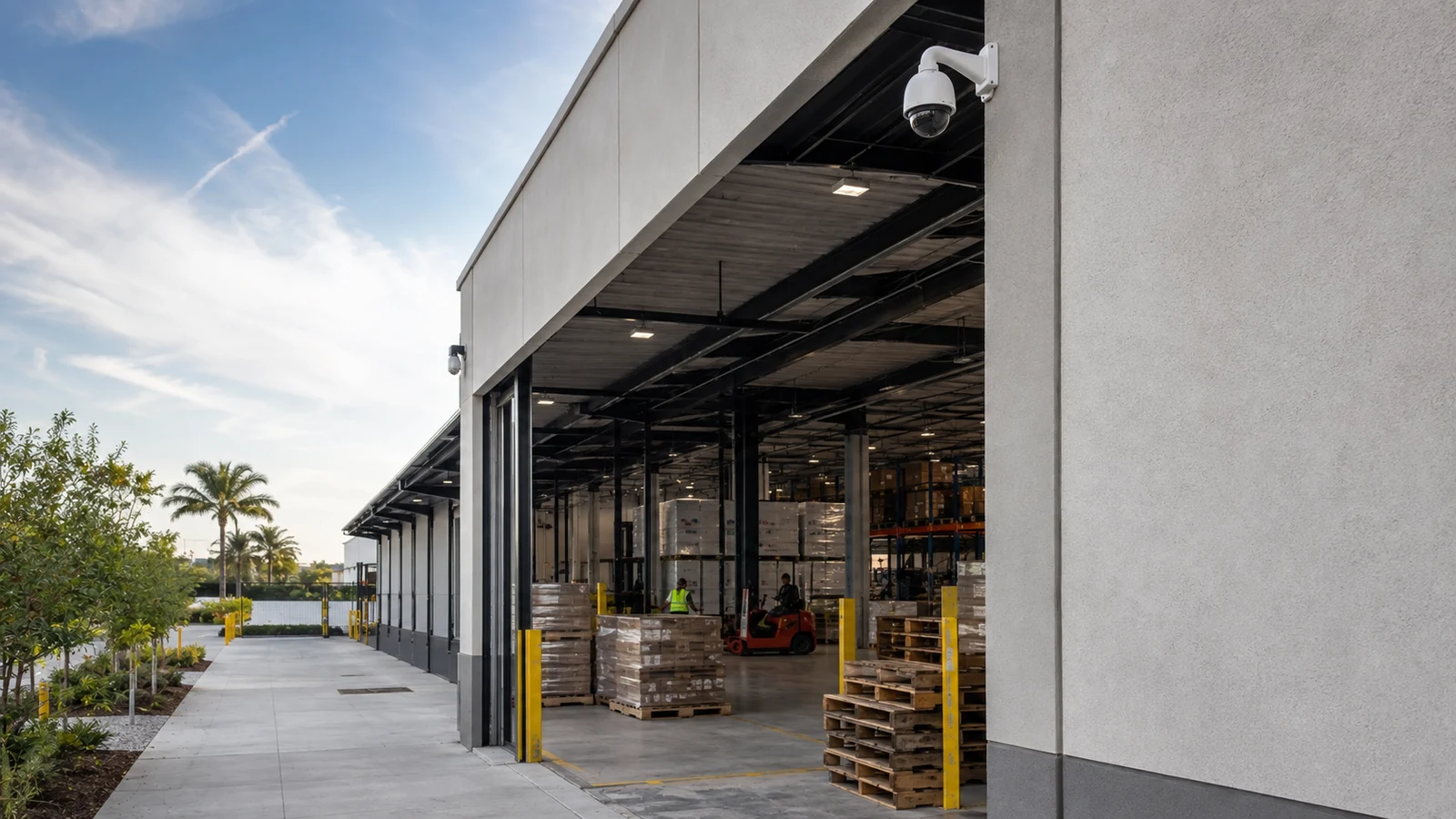
COMMERCIAL SYSTEM PLANNING FOR WILDWOOD PROPERTIES
Wildwood’s transportation junctions and active development create sites where traffic flow, construction phases and property boundaries can change quickly. Effective camera planning distinguishes a true logistics yard from a retail, hospitality or managed property that simply sits near a major highway.
A Wildwood site near major transportation routes still needs a scope based on its real use—retail, hospitality, construction, service operations or a genuine logistics environment. Data Pro Communications maps vehicle patterns, development phases and future telecom locations before setting permanent views.
Wildwood properties may be shaped by I-75, Florida’s Turnpike, US 301 and active development, but logistics requirements belong only where the site actually has fleet, yard or delivery operations.
Wildwood designs distinguish hotel or retail arrivals, construction access and true fleet circulation instead of treating proximity to highways as the operating event.
At managed properties near active growth, reserved routes and equipment space should anticipate approved expansion without placing permanent cameras in temporary construction paths.
Data Pro Communications provides project-specific low-voltage work under FL License #EC13016138 for qualifying Wildwood properties, including verified needs around US 301 service businesses.
Local work often requires a clear map of public approaches, employee parking, delivery lanes, temporary construction access and future building phases. Data Pro Communications coordinates the video system with the network and pathway plan so an expansion does not strand the original recorder or exterior cameras.
Relevant properties include highway-oriented retail and hospitality, commercial development sites, logistics and fleet properties, US 301 service businesses, managed properties near growth areas, and construction and contractor facilities. Wildwood systems must separate stable operations from construction traffic and select infrastructure that can remain useful as the approved property plan develops.
Customer, employee, fleet and delivery movements may enter from different roads or operate at different times.
Temporary entrances and phased construction can make a permanent camera location obsolete if the final plan is not reviewed.
Yards and perimeter views require realistic target detail, lighting review and serviceable mounting points.
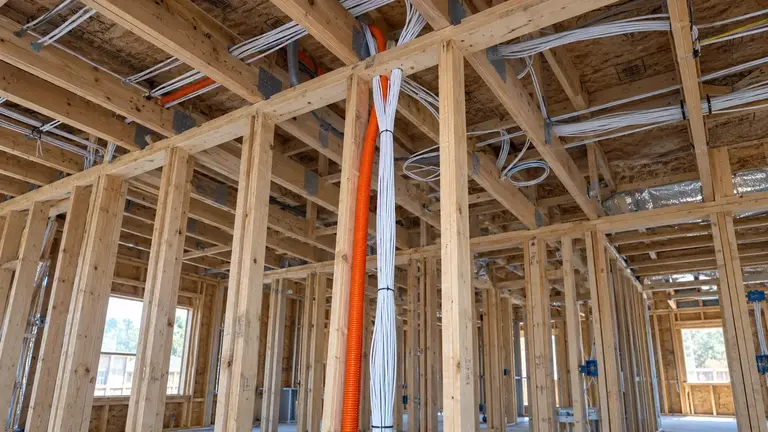
New buildings may need reserved fiber pathways, network capacity and protected outdoor equipment locations.
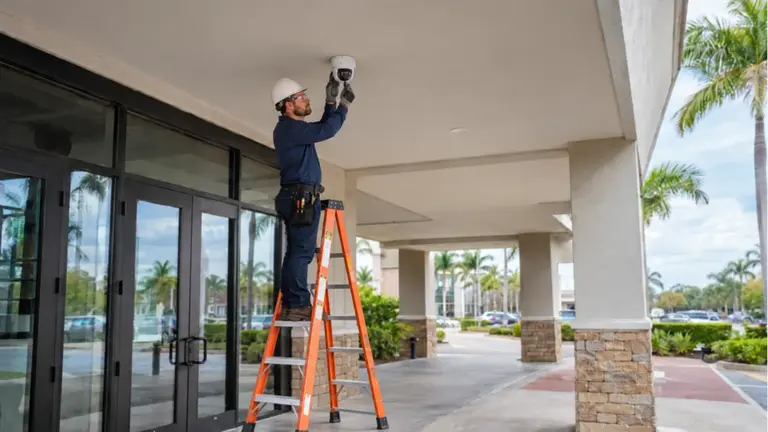
A hotel entrance, a contractor access point and a fleet lane need different scene depth, timing and identification detail.
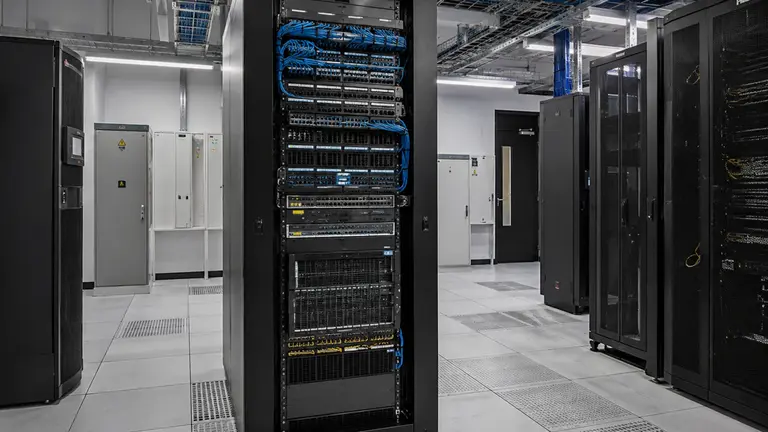
Development sites may change camera count and review responsibility by phase, so network and recorder capacity are tied to the current scope plus documented expansion.
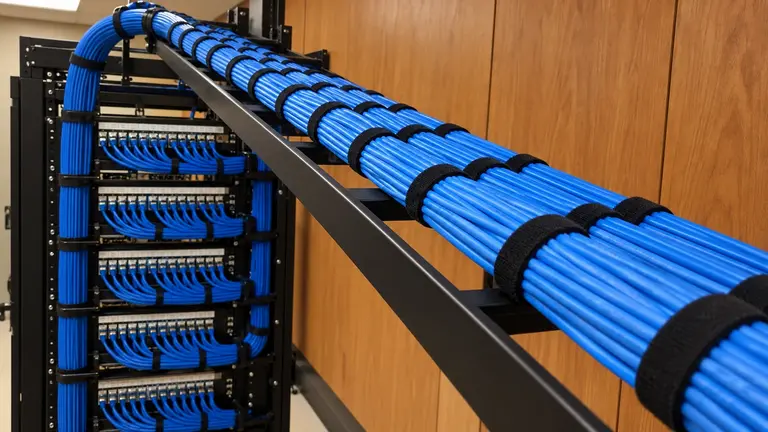
New Wildwood pathways are labeled by phase and protected from active construction so completed areas remain serviceable as adjacent work continues.
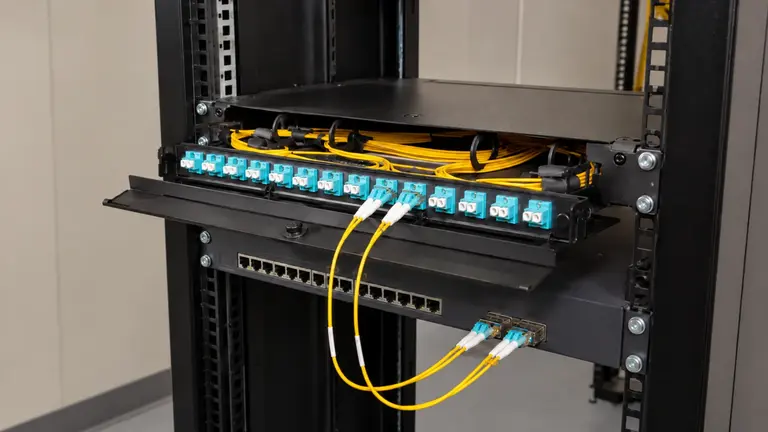
Fleet and logistics networks require confirmed uplink capacity, secured field cabinets and an administrator who can govern remote accounts.
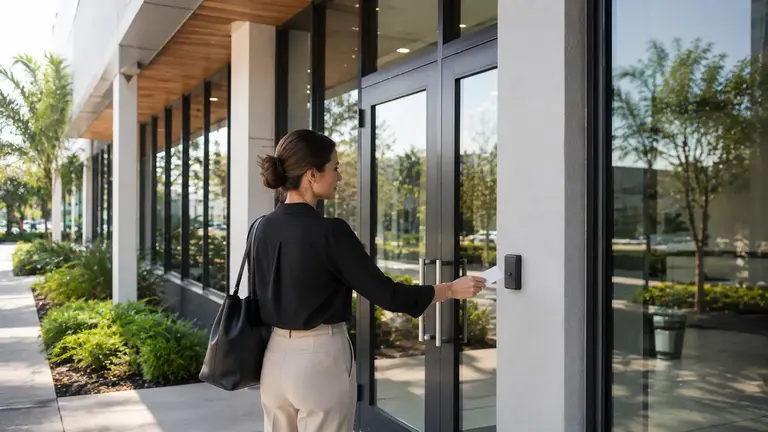
A managed-property gate may be linked with video after control authority, credential handling and the desired vehicle event are defined.
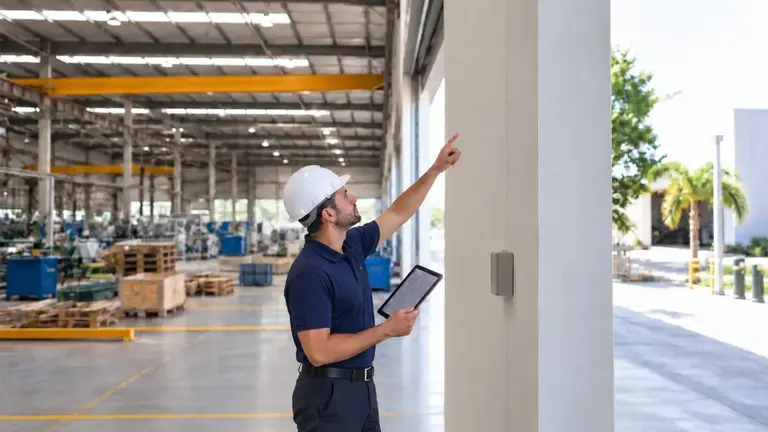
Construction and expansion can leave temporary cameras or partial networks behind; Wildwood equipment is classified by permanent value, support and condition before it enters the finished system.
Hospitality and retail scenes focus on the guest or customer approach, separated from unrelated highway traffic and neighboring parcels.
Development properties use different views for visitors, workers and service vehicles as access changes between active phases.
Fleet-site equipment is selected after checking pole locations, night lighting, vibration, weather exposure and the route back to a protected cabinet.
US 301 service work is staged around customer access and vehicle bays, keeping critical approaches open during installation.
Managed growth-area properties reserve backbone routes based on the approved buildout and measured distances between current and future telecom locations.
Contractor facilities document who controls temporary users, shared gates and the permanent records handed over when construction phases end.
Wildwood surveying separates highway-oriented public arrival from contractor, delivery and fleet movement, then assigns each light, gate and network dependency to its owner.
Permanent connectivity is laid out across current and future building zones after outdoor spans, construction conflicts and cabinet locations are measured.
Fleet-site cameras are checked for vibration damage and usable detail, field cable is proven and recorder credentials are secured before any existing component is retained.
Cutovers follow the active development phase and vehicle schedule, preserving needed views while routes or buildings change.
Wildwood commissioning reviews images under representative vehicle movement, verifies recording retrieval and marks permanent equipment distinctly from construction assets.
At a hospitality or retail entrance, a door event may display its camera scene when ownership is clear and the association has been approved and tested.
Intercom for a development-site arrival point is considered only with an assigned answer location, approved audio use and controlled release procedure.
Growth-area recording needs a stable field network and equipment locations that remain reachable after nearby construction is complete.
Fleet integrations start by separating camera administration, gate control, network support and construction access among the responsible parties.
Create separate vehicle-view objectives for public traffic, deliveries and fleet activity instead of relying on one wide overview image.
Reserve backbone capacity and document final-phase telecom locations before installing cameras for the first occupied building.
Wildwood’s I-75, Florida’s Turnpike and US 301 connections influence traffic and development, but they do not make every property a logistics site. The survey should distinguish stable operating patterns from temporary construction and apply fleet or yard planning only where it is warranted.
Wildwood camera installation is based on the property’s real retail, hospitality, service or fleet operation and its current development phase.
Remote review for a development property changes with authorized roles, while retention and recorder capacity are documented for each active phase.
Temporary or inherited devices are not carried into the permanent Wildwood system unless their condition, support and ownership are settled.
Structured Cabling
Fleet and logistics pathways connect outdoor device zones to protected telecom points with labels that survive later expansion.
Network Infrastructure
US 301 service properties receive switching and bandwidth sized to the approved views, concurrent remote use and planned additions.
Managed-property gate users are issued and removed by the customer’s authorized administrator under a documented access process.
Wildwood’s roadway junctions connect many regional markets, but the relevant security environment is the individual hotel, store, development parcel, service facility or true logistics property.
A Wildwood-area address is assessed by its actual operation and development phase, not simply its distance from I-75, Florida’s Turnpike or US 301. Vehicle patterns, temporary access, future buildings and the current network location guide survey preparation and service confirmation.
The walk-through tracks guests, customers, contractors and fleet vehicles separately and locates the infrastructure that supports each approved area.
Wildwood view tests reflect real movement at the property, including changing construction light, a hotel arrival or a fleet lane at operating speed.
Permanent routes, field power, network administration, temporary-device removal and phase-specific work windows are resolved in the implementation plan.
The customer’s authorized project team reviews permanent fleet or service views, demonstrates playback and receives records that distinguish completed assets from temporary construction equipment.
Data Pro Communications serves commercial and professionally managed projects from the approved Ocala branch at 603 E Fort King St, Ocala, FL 34471. Call (352) 517-4404. FL License #EC13016138. License information is presented factually and does not replace project-specific permitting or compliance review.
Questions and answers
Major roads can create multiple approaches, higher vehicle speeds and lighting changes. Public, delivery and fleet entrances are evaluated separately so each camera has a realistic target.
No. A hotel, retail center or office near I-75 is not automatically a logistics operation. Yard, dock and fleet features are included only when the property actually has them.
Yes, if conduit, fiber capacity, switch space and future telecom locations are reserved early. The design should reference the final site plan rather than temporary access routes.
Vehicle direction, speed, lane width, lighting, mounting distance and the required detail must be defined. An overview camera and a dedicated vehicle view may serve different purposes.
The survey evaluates sight lines, target size, night lighting, mounting stability and service access. Camera quantity is set after the customer agrees on the events each area must show.
It may be considered where a clear, stable line of sight exists and power and mounting are suitable. Capacity, interference, weather and maintenance access must be engineered for the actual link.
Temporary monitoring has a different purpose and service life from the permanent system. Ownership, network service, relocation and removal should be documented separately.
Usually the project can be zoned and sequenced around guest, staff and delivery activity. Ceiling access, lifts and network cutovers require approved time windows.
Property ownership, operations, facilities, IT and the general contractor should participate when the site is expanding. Door, power and pathway responsibilities need a named owner.
It establishes approved views, pathways, recording and network dependencies, phasing and closeout expectations. It does not promise prevention, a particular response or a fixed evidentiary outcome.
Describe how vehicles, customers, staff and deliveries move through your Wildwood property. Data Pro Communications will use the site survey to separate permanent needs from temporary development conditions and define the views and infrastructure that belong in the final scope.