
Baseline before recurrence
The program starts with an inventory and condition record so later changes can be recognized.
Commercial Technology Solutions | Ocala and Marion County
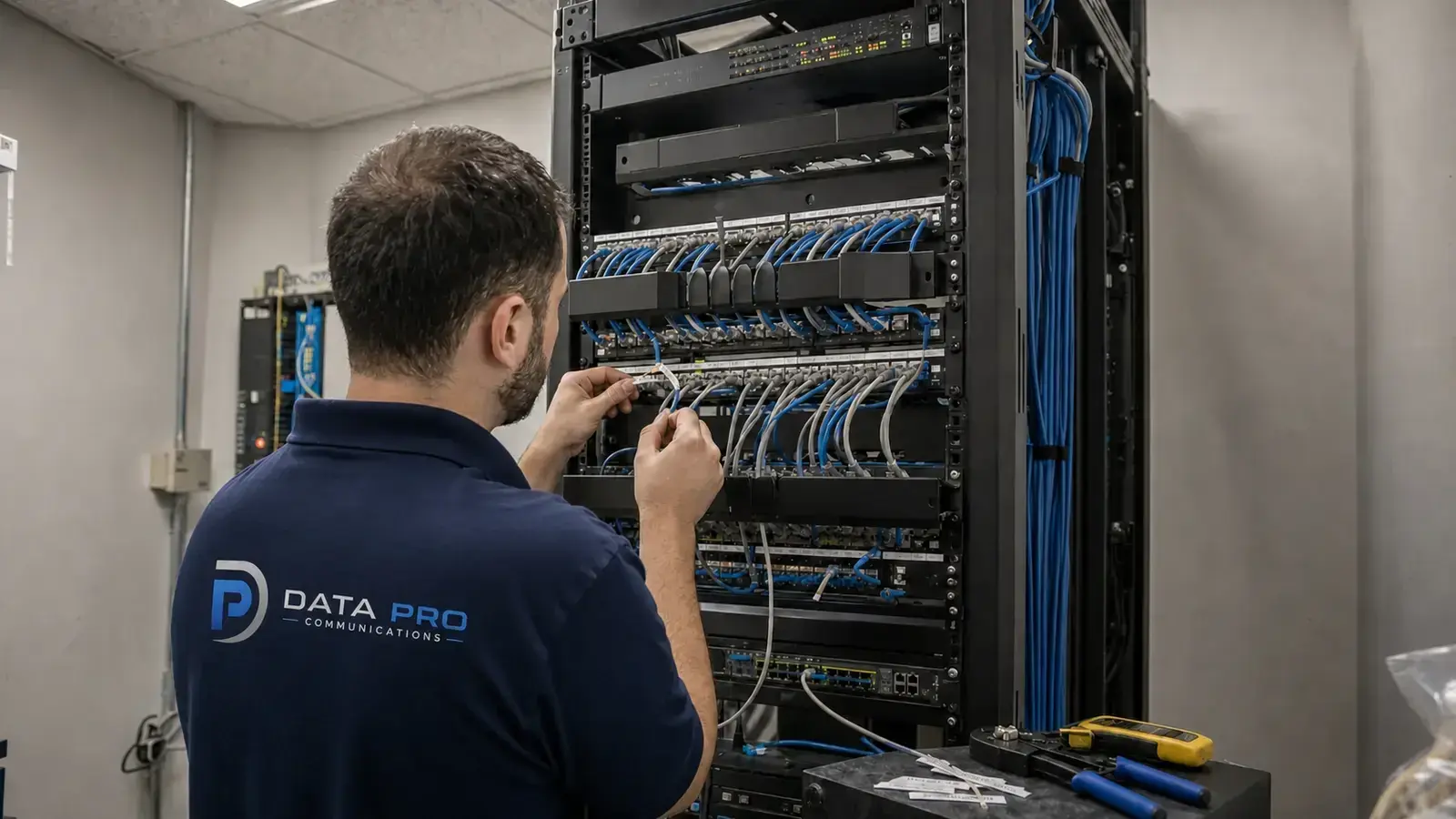
Service and maintenance is an ongoing lifecycle relationship for installed camera, network, access, intercom, AV, cabling, fiber, and entry systems. It establishes a baseline, recurring review points, documentation, corrective priorities, and expansion planning instead of waiting for every issue to become an emergency.
A maintenance relationship should leave a clearer system record after every visit. The value is not a generic inspection; it is the accumulated inventory, condition history, approved changes, unresolved risks, and lifecycle decisions that support continuity.
The program starts with an inventory and condition record so later changes can be recognized.
Safety, service interruption, evidence loss, access disruption, environmental exposure, and obsolescence guide corrective sequencing.
Device lists, locations, versions, credentials ownership, tests, changes, and open items remain associated with the system.
FL License #EC13016138 is included as approved branch information without response-time or uptime promises.
Preventive service cannot eliminate failures, but it can identify deteriorating conditions, stale records, storage concerns, blocked views, power issues, damaged outdoor equipment, unsupported software, and capacity limits before they are forgotten.
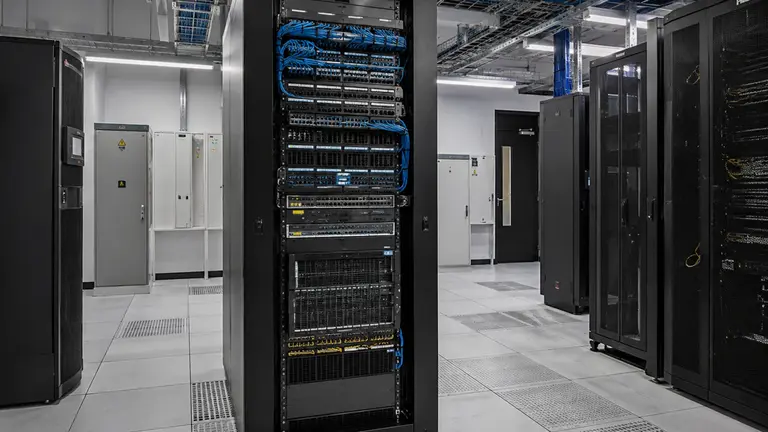
Teams lose time identifying device locations, models, addresses, panels, switch ports, fiber strands, or gate interfaces during a service event.
Moves, additions, replacements, password ownership, firmware changes, and network updates can leave the documented system different from the installed one.
Vegetation, water, heat, insects, corrosion, construction, impact, and altered traffic patterns can affect exposed cameras, links, gates, and enclosures.
A working but unsupported recorder, switch, controller, or AV component can become a continuity risk when replacement options narrow.
Inventory major devices, locations, versions, interfaces, known faults, records, and responsible stakeholders.
Review agreed indicators such as camera status, recording, storage, network links, access events, intercom calls, AV operation, fiber results, or gate communication.
Inspect accessible equipment, enclosures, cabling, labels, mounts, ventilation, patching, connectors, and environmental exposure.
Identify updates, compatibility, licensing, backups, maintenance windows, and owner approvals before changes are made.
Record findings by severity, operational effect, recommended response, dependency, and completion state.
Track capacity, support status, spare parts, upcoming construction, new endpoints, and phased replacement decisions.
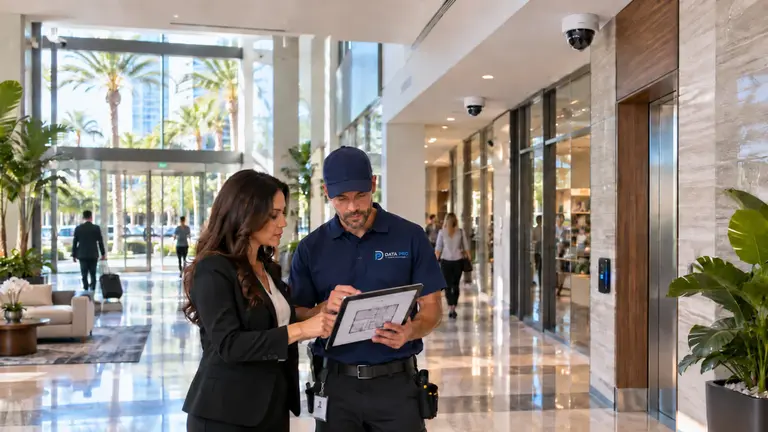
Use a common inventory and review cadence while retaining site-specific equipment, contacts, and operating windows.
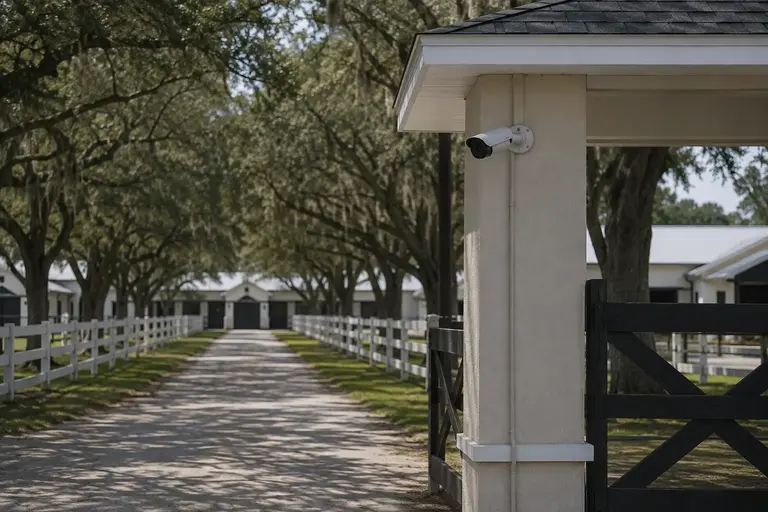
Recheck remote cameras, gate communication, building links, enclosures, and vegetation where weather and distance complicate access.
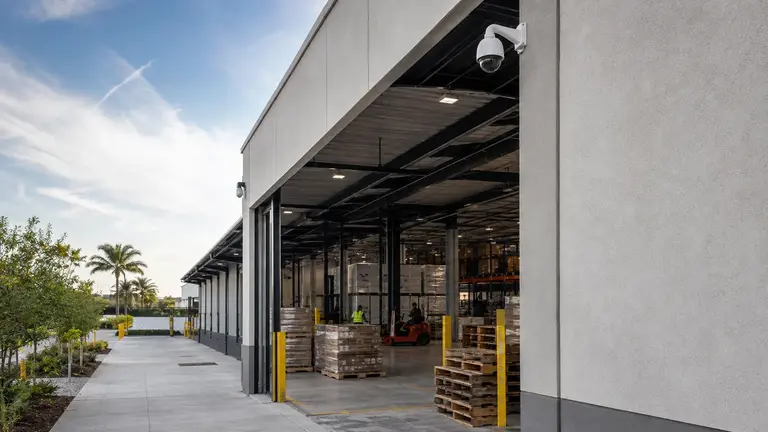
Schedule reviews around loading, production, and yard activity while tracking equipment exposed to dust, vibration, heat, or impact.
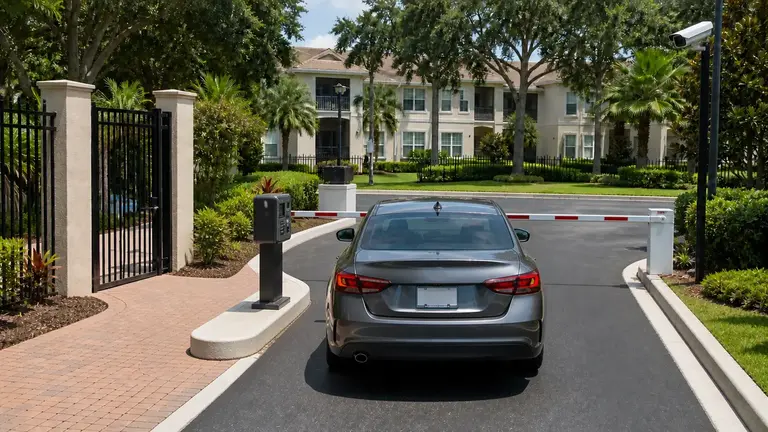
Coordinate gates, amenity access, intercom, cameras, and network dependencies with authorized property staff and vendors.
Identify assets, dependencies, required functions, service-impact priorities, and owner contacts.
Set review intervals by environment, system role, support requirements, operational risk, and available access windows.
Document approved updates, configuration backups, replacements, labels, tests, unresolved items, and administrator ownership.
Separate routine maintenance from faults or expansions that require a dedicated troubleshooting, redesign, replacement, or construction scope.
A camera outage may trace to a switch, fiber uplink, wireless bridge, recorder, or power source; a gate communication issue may involve intercom, network, or operator interfaces. The program records these relationships without treating every finding as the same service task.
Large properties and outdoor systems can be time-consuming to inspect only after failure, while occupied offices and healthcare sites need carefully scheduled work. A maintenance plan should reflect access, environmental exposure, operating hours, system criticality, and the people authorized to approve changes.
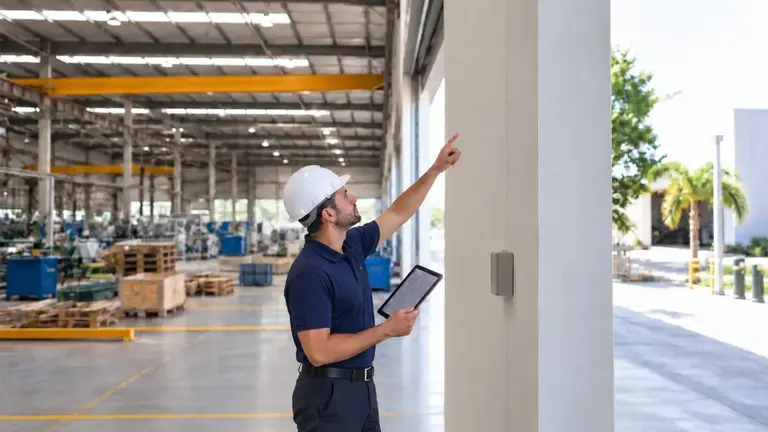
Diagnose a specific active camera or recording fault that requires focused isolation.
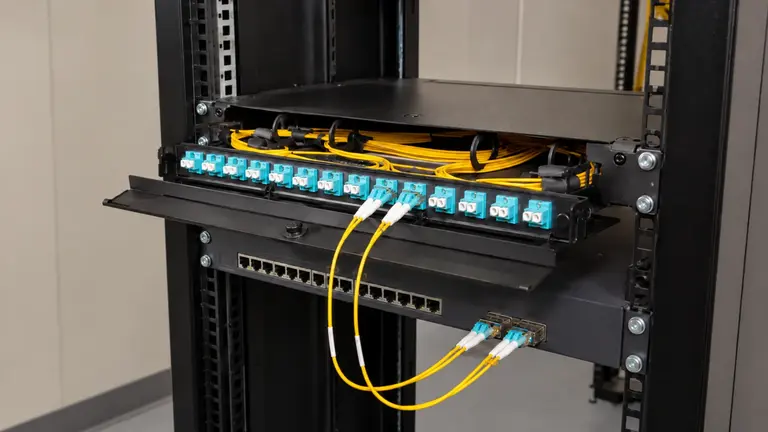
Correct capacity, switching, uplink, or rack conditions found during lifecycle review.

Address a vehicle-entrance redesign or integration need beyond routine inspection and records.
Property managers, facility leaders, IT contacts, security staff, industrial operators, communities, and multi-site owners use ongoing maintenance; emergency response and guaranteed uptime are not promised.
Inventory systems, locations, dependencies, records, stakeholders, and known issues.
Match inspections and health checks to environment, criticality, support needs, and access windows.
Separate routine adjustments, active faults, lifecycle risks, and capital projects.
Update inventories, versions, tests, changes, open items, and expansion assumptions after each approved visit.
Ocala Security Cameras by Data Pro Communications is operated by Data Pro Communications for the Ocala Branch. Contact information: 603 E Fort King St, Ocala, FL 34471; (352) 517-4404; info@dataprocommunications.com. FL License #EC13016138.
Questions and answers
Troubleshooting isolates a specific active camera fault. Service and maintenance organizes recurring review, documentation, preventive attention, corrective priorities, and lifecycle planning across one or several systems.
No. It can reveal observable deterioration, capacity limits, configuration drift, support risks, and environmental problems, but components and services can still fail unexpectedly.
The scope may cover cameras, recording, network equipment, access control, intercoms, commercial AV, structured cabling records, fiber links, gate communication, and outdoor wireless, depending on the agreement.
Cadence depends on system role, environment, manufacturer guidance where applicable, operating risk, outdoor exposure, change rate, support requirements, and the owner’s access windows.
Only when updates are in scope and compatibility, backups, licensing, maintenance windows, administrator access, network policy, rollback, and owner approval have been addressed.
Asset lists, model and serial details, locations, IP or panel references, switch ports, fiber strands, versions, licensing, administrator ownership, test results, change history, diagrams, photos, and open-item logs can reduce future service time.
Each recurrence should be tied to conditions, prior actions, logs, affected components, and dependencies. Replacing the same part repeatedly without isolating the underlying cause is not a maintenance strategy.
Yes, with a common program structure and separate site inventories, contacts, access rules, critical periods, system histories, and corrective priorities.
A redesign, major capacity change, unsupported platform replacement, new pathway, building link, gate integration, or substantial expansion usually needs its own scope and approval.
Provide site and system lists, existing records, known issues, administrator and vendor contacts, critical functions, access restrictions, maintenance history, available backups, and planned projects.
Request a baseline review for recurring system health, documentation, corrective priorities, and expansion planning.