
Florida Licensed Systems Integrator
Data Pro Communications operates under FL License #EC13016138 for its low-voltage contracting work in Florida.
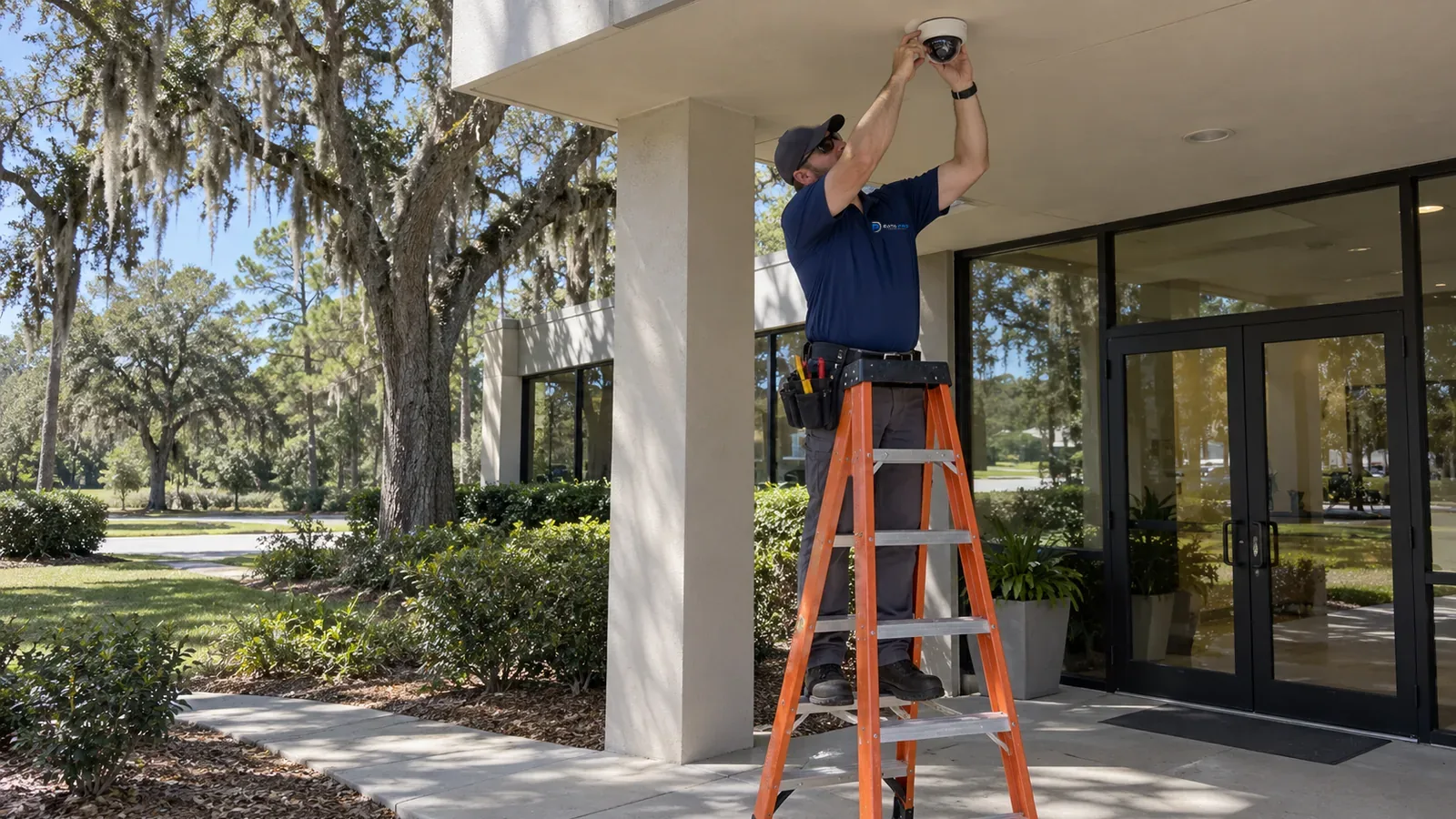
OCALA COMMERCIAL CAMERA SYSTEMS
Data Pro Communications - Ocala plans and installs video surveillance for commercial, industrial, managed, and professionally scoped properties across Ocala and Marion County.
Projects can include cameras, recording, remote viewing, and analytics, with structured cabling, fiber, network, access, gate, and intercom infrastructure coordinated when the property requires it.
Data Pro Communications operates under FL License #EC13016138 for its low-voltage contracting work in Florida.
Views, lighting, image detail, recording, and operator workflow guide the camera scope before supporting systems are added.
Pathways, PoE, switching, fiber, outdoor links, racks, and power are coordinated around actual camera and property requirements.
Planning can account for loading areas, industrial yards, managed communities, gates, barns, detached buildings, and longer outdoor distances.
Camera names, recording access, account ownership, known limitations, and service information are organized for the people who will operate the system.
A commercial camera system must make specific property events easier to review. Entrances, public paths, loading areas, cash or asset zones, parking, gates, and outdoor approaches each call for different scene width, lighting, mounting, and recorded detail.
The camera plan also depends on the path behind the image. Cable distance, PoE capacity, network uplinks, recording location, retention, remote users, and service access determine whether a clear view remains reliable after installation.
Data Pro Communications can coordinate that supporting work while keeping video surveillance and commercial CCTV as the primary identity of the Ocala branch.
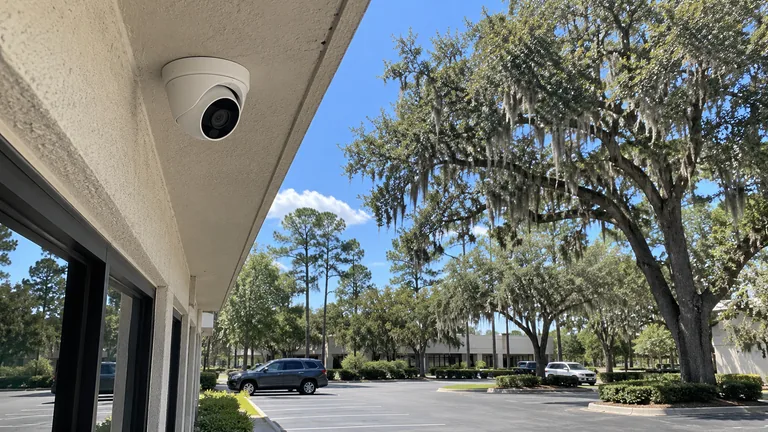
Useful coverage begins with the event the property needs to observe, recognize, identify, or document. The lens, resolution, mounting position, lighting response, recording settings, and retention plan should follow that purpose rather than a generic camera count.
Define entrances, lanes, doors, work areas, yards, and other scenes that need recorded evidence.
Separate overview coverage from identification or license-plate capture when the jobs require different views.
Confirm how authorized users will search, export, and review video before the interface is handed over.
Account for future cleaning, aiming, repairs, and pathway access at exterior or elevated positions.
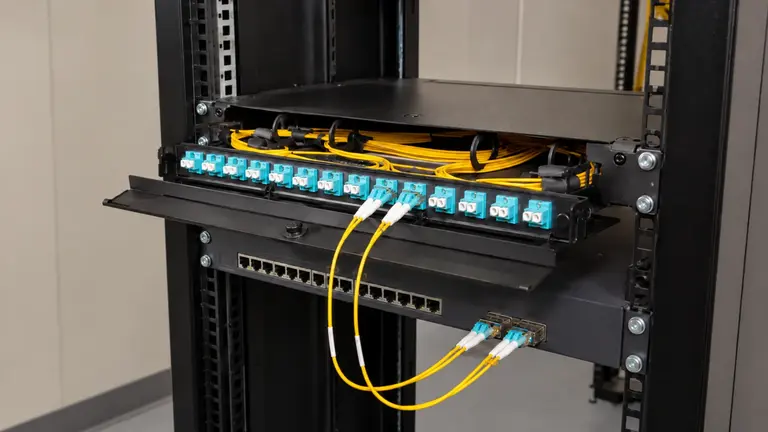
Copper cabling can serve local device runs, while building-to-building fiber supports longer backbones, detached facilities, industrial areas, and equestrian properties where distance or electrical exposure matters.
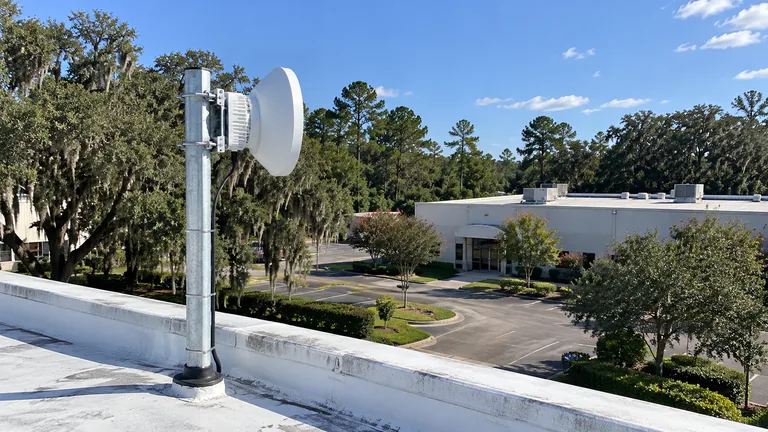
PoE switching, segmentation, rack capacity, uplinks, and point-to-point wireless can connect cameras, gatehouses, remote poles, barns, or separate buildings when the conditions support the design.
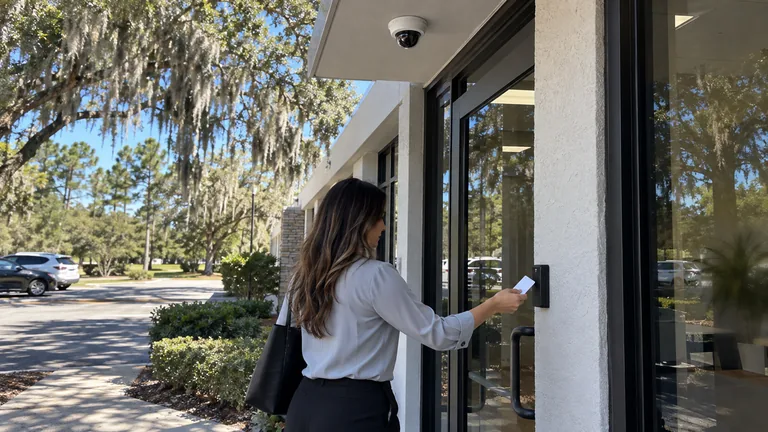
Door credentials, vehicle entry, visitor communication, and associated camera views can be planned as related workflows while each system keeps its proper role.
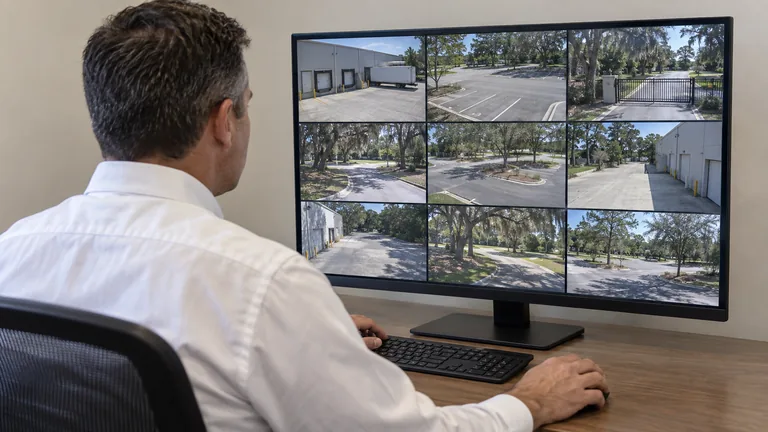
Use the camera-service family for installation, commercial CCTV modernization, IP video, analytics, recording, upgrades, and troubleshooting.
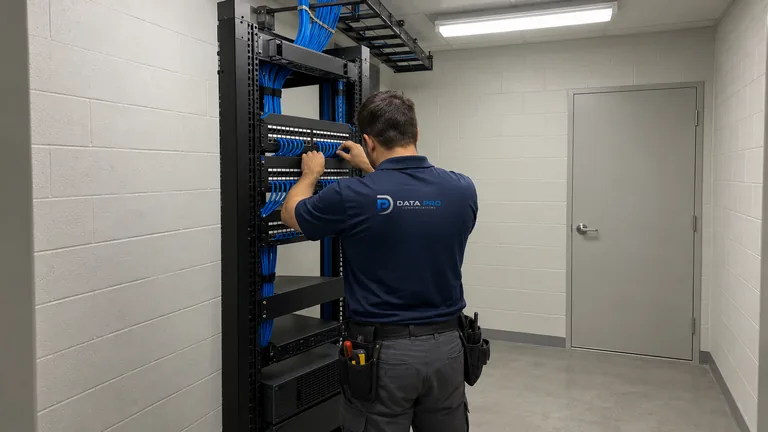
Structured cabling, fiber, networks, access control, gate entry, intercom, outdoor links, AV, and maintenance belong to the solution family.
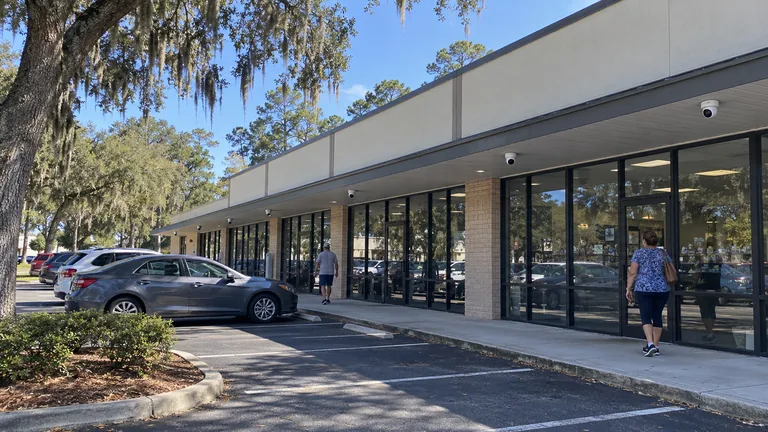
Industry pages address the operating patterns of logistics, industrial, healthcare, managed, equestrian, construction, and other approved property types.
Coverage pages describe local service context, while blog guides answer focused planning questions without replacing a property survey.
Ocala projects range from occupied professional buildings and healthcare offices to distribution properties, fabrication spaces, managed communities, construction sites, and professionally operated equestrian facilities. Those environments differ in lighting, working hours, vehicle movement, network access, and the tolerance for installation disruption.
Some Marion County properties also spread cameras across gates, yards, barns, detached buildings, or remote equipment rooms. Longer distances may change the pathway from copper to fiber or require a carefully surveyed outdoor wireless link instead of assuming every camera can return directly to one closet.
The primary service context is Ocala and Marion County, with Belleview, Dunnellon, Silver Springs, and Summerfield referenced where appropriate. Project access and feasibility are confirmed for the actual property rather than implied by a place name alone.
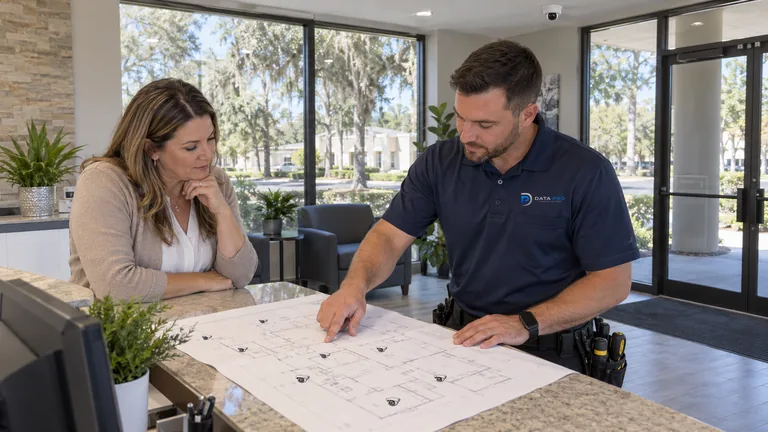
Identify the scenes, events, users, and review tasks that will determine camera placement and recording requirements.
Inspect lighting, mounting, obstructions, pathways, equipment rooms, network capacity, power, gates, and distances between buildings.
Install the approved pathways and devices, apply naming and recording settings, and verify representative live and recorded views.
Confirm authorized accounts, playback, export, known limitations, system records, and the contacts needed for future service.
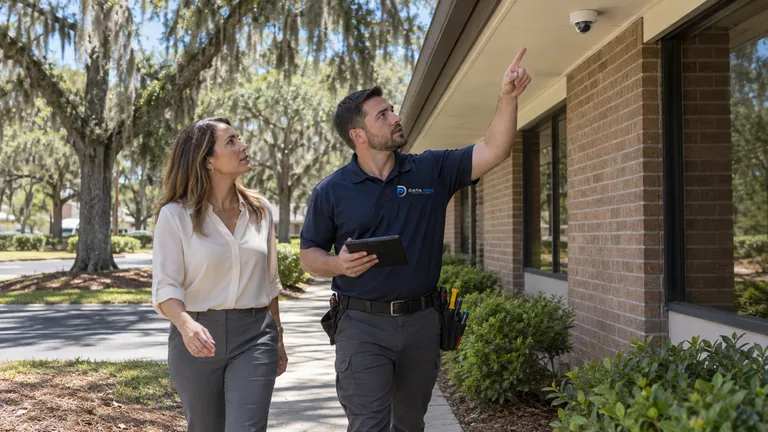
Move into a property-specific installation scope when required views, pathways, recording, user access, and commissioning need to be defined together.
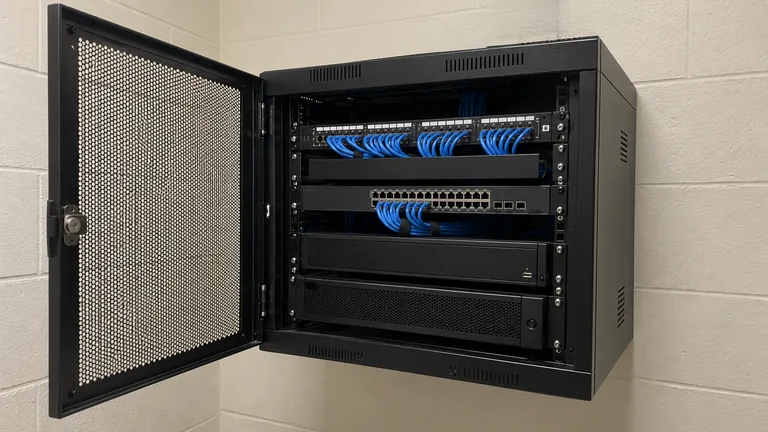
Use the CCTV modernization path for analog, IP, or hybrid environments involving coax reuse, recorder transitions, and staged system changes.
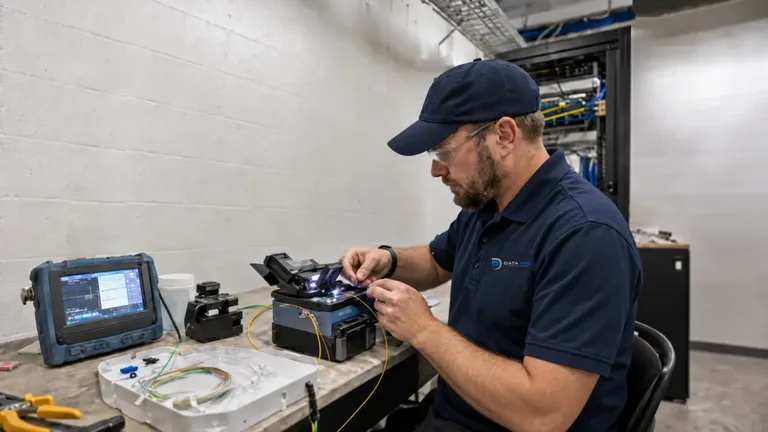
Consider fiber or a surveyed outdoor link when cameras or gate systems must cross long distances between buildings, poles, yards, or detached facilities.
A warehouse may prioritize docks, trailer approaches, fenced yards, and inventory movement. A healthcare or professional property may focus on entrances, reception, controlled rooms, and parking. A horse farm or training center may need visibility across gates, barns, arenas, and detached structures without treating the property like a typical home.
Those differences affect camera selection, but they also affect installation planning. Occupied interiors call for access coordination and clean pathways; exterior sites require weather, surge, mounting, and night-image review; multi-building sites need a backbone that can be supported and serviced over time.
Data Pro Communications - Ocala is the regional camera-focused presence of Data Pro Communications for Ocala and Marion County. The branch combines commercial video surveillance planning with the cabling, network, fiber, access, gate, and communication capabilities required by complete low-voltage projects.
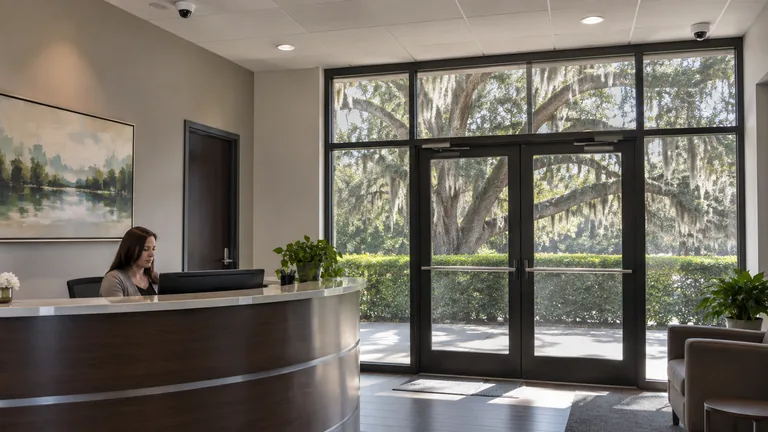
Data Pro Communications operates under FL License #EC13016138. Scope, equipment, pathway reuse, integrations, scheduling, and performance expectations are established for the specific property; the license is not presented as a promise of a particular result.
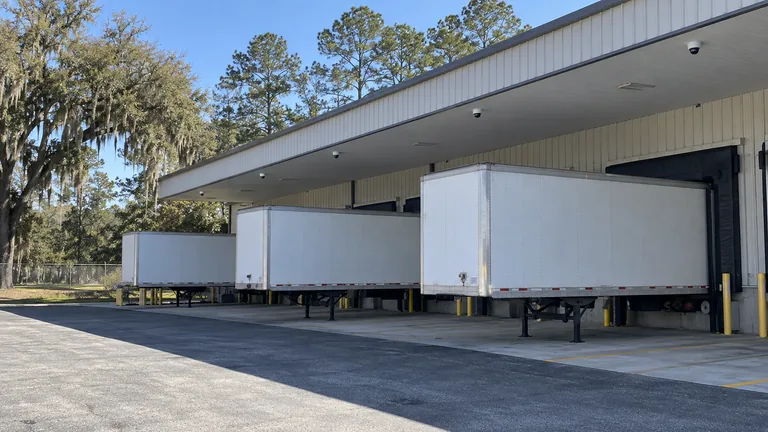
Dock doors, truck courts, receiving areas, fenced yards, and broad interior aisles need distinct overview and identification views plus durable network paths.
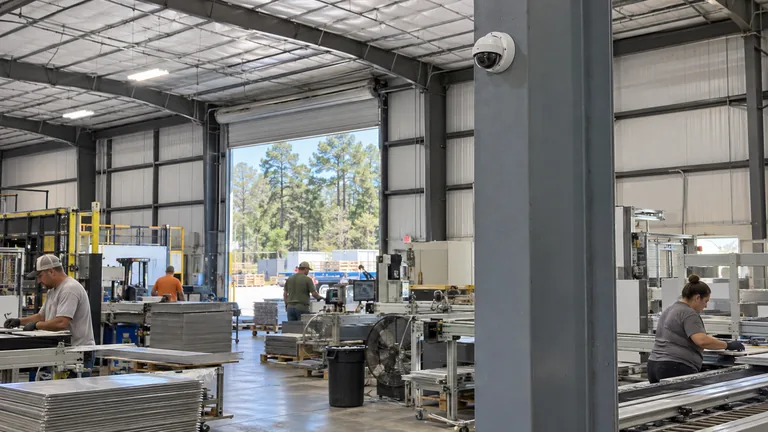
Production zones, equipment areas, exterior storage, gates, and separated buildings require safe placement, resilient pathways, and careful service access.
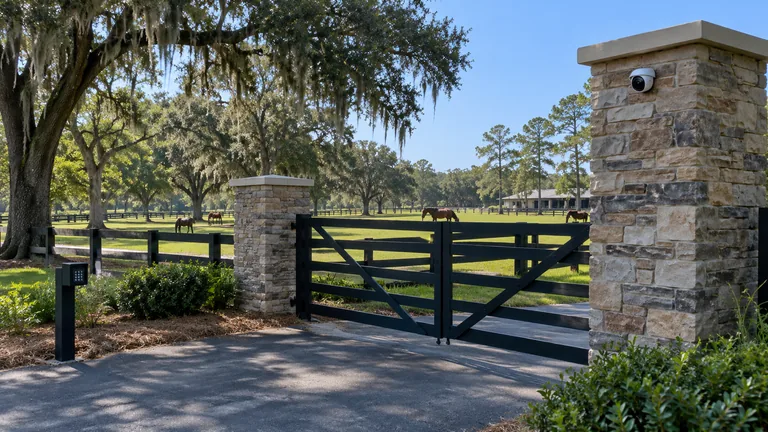
Barns, stables, arenas, gates, long driveways, and remote structures may combine camera coverage with fiber, point-to-point wireless, intercom, or controlled entry.
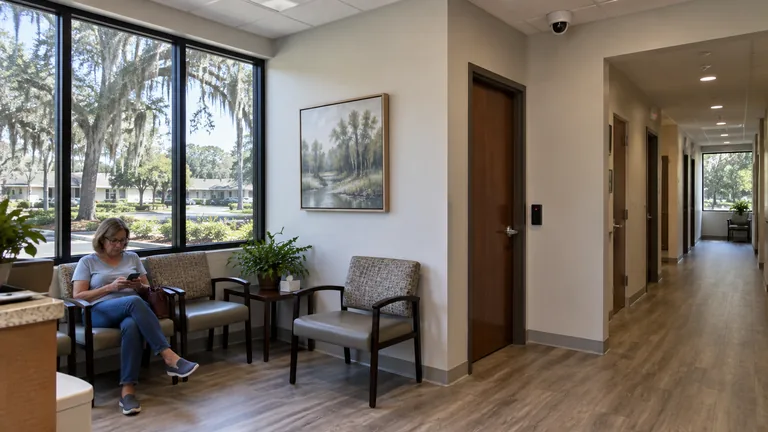
Entrances, reception, staff access, parking, and controlled areas call for discreet installation, defined permissions, and reliable recorded review.
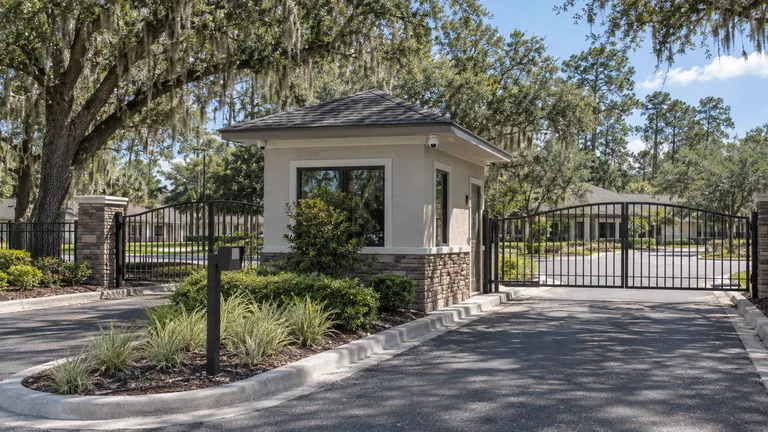
Community entrances, amenities, leasing areas, parking, and shared buildings benefit from clear administrative roles and consistent camera naming.
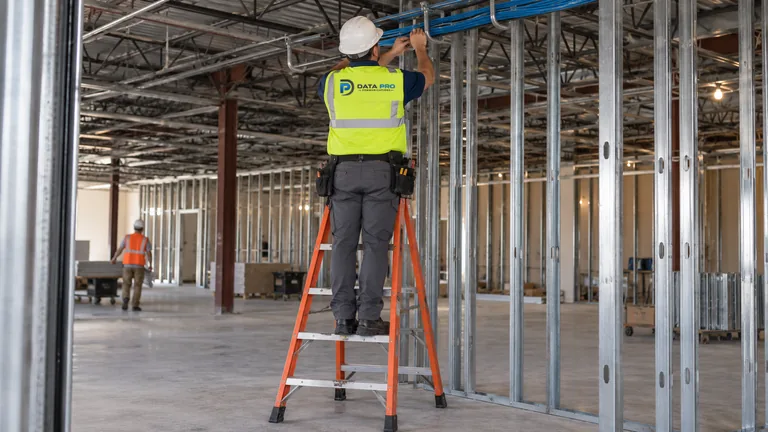
Phased work, changing access, new pathways, remote poles, and multiple structures require coordination between camera objectives and the infrastructure installed for them.
Questions and answers
Data Pro Communications plans camera systems for offices, warehouses, distribution properties, industrial sites, healthcare and professional facilities, managed communities, construction projects, and professionally operated equestrian or large-property environments. The final scope depends on the property, required views, infrastructure, recording needs, and supported integrations.
Yes. A project may involve new IP video surveillance, an existing analog or hybrid CCTV environment, or a staged modernization that reuses suitable pathways or coax. Compatibility and reuse decisions require an inventory of the existing cameras, recorders, cabling, power, and network conditions.
Often, but the useful parts must be identified first. A survey can determine whether cameras, cabling, switches, recorders, storage, mounts, and user workstations still support the required image quality, retention, remote viewing, and serviceability.
The survey should connect each required view to lighting, scene width, mounting height, cable pathways, network and PoE capacity, recording location, retention, user access, and future service access. Exterior exposure, gates, detached buildings, yards, and remote equipment locations may add further requirements.
Yes. Cameras depend on reliable transport and power, so a project may include structured cabling, PoE switching, fiber between buildings, rack work, or outdoor network links when those elements are needed to support the video system.
Warehouses and yards usually involve longer views, loading areas, vehicle movement, exterior lighting, weather exposure, and larger cable distances. Offices more often emphasize entrances, public paths, controlled rooms, reception areas, and low-disruption installation in occupied spaces.
Professionally scoped equestrian projects may be considered for barns, stables, training areas, arenas, gates, long driveways, detached structures, and remote viewing. Connectivity may require fiber or point-to-point wireless when buildings are separated by distances that do not suit ordinary copper runs.
Yes, when the selected platforms and property workflow support the required relationship. Camera views can provide context around doors or vehicle entrances, while access control, intercom, and gate equipment continue to perform their own entry and communication functions.
No. Plate capture depends on a controlled view of the vehicle path, suitable angle and distance, expected speed, lighting, exposure, and enough image detail. A general overview camera should not be assumed to provide dependable plate characters.
Storage planning uses camera count, resolution, frame rate, compression, bitrate, recording schedule, scene activity, retention target, and redundancy requirements. Estimates should be checked against representative settings rather than a single generic capacity rule.
Remote viewing can be part of the system when the recorder or platform supports it and the network, account, and security requirements are addressed. User roles, multifactor authentication where available, and account ownership should be planned before handoff.
The Ocala branch is commercial-first. Selected larger residential or gated properties may be considered when the work requires professional cabling, multiple structures, controlled entry, remote connectivity, or an integrated and documented system.
The primary branch context is Ocala and Marion County. Belleview, Dunnellon, Silver Springs, and Summerfield may be referenced where appropriate, while project feasibility and scheduling are confirmed directly for each property.
No. Recorded evidence depends on camera position, lighting, obstructions, system health, retention, user settings, and the event itself. Professional planning reduces avoidable gaps but cannot guarantee a specific event or outcome.
Share the property address, property type, current system, desired coverage, known infrastructure, project timing, and the people involved in facilities or IT decisions. Data Pro Communications can then coordinate the next appropriate project discussion or site survey.
Technology is selected from the property requirements, supported integrations, network and recording environment, user workflow, service model, and budget. Category labels do not imply a manufacturer certification or partnership.
Share the areas that matter, the system already in place, and the operating result your team needs. A project conversation can then identify the next useful survey or scope step without assuming a one-size-fits-all camera package.