
Common-property focus
Planning stays centered on association or management-controlled entrances, amenities and shared infrastructure.
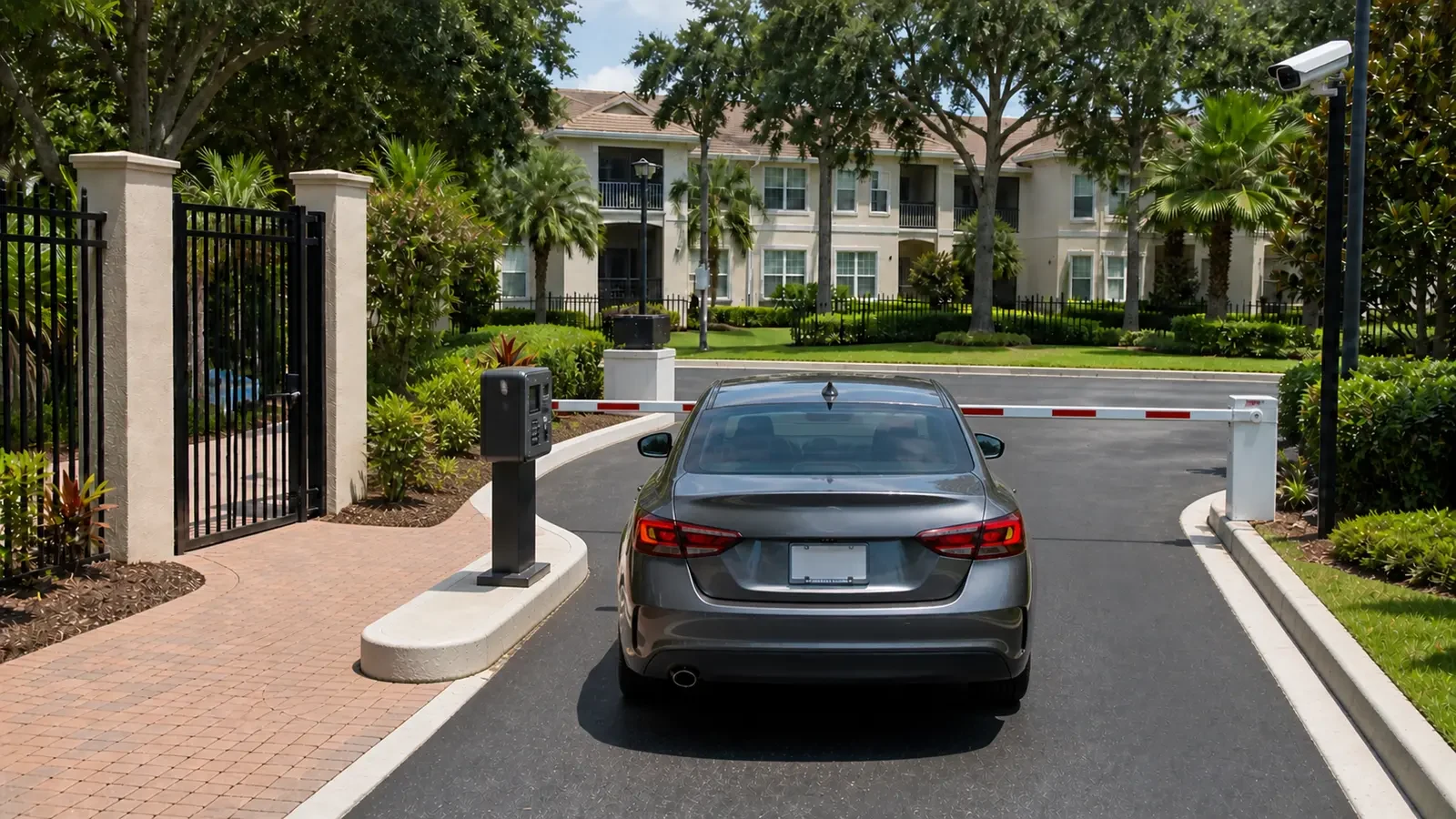
COMMON-AREA VISIBILITY AND ENTRY CONTROL FOR MANAGED COMMUNITIES
Managed communities must balance resident access, visitor arrival, vendor entry and shared-property oversight across gates, clubhouses, mail areas, parking and management spaces. The scope belongs in common areas and professionally managed infrastructure, not inside individual homes.
Data Pro Communications plans cameras, gate access, intercom, credentials, fiber or network links and remote viewing around the community's actual entry and management workflows.
Project planning principles
Planning stays centered on association or management-controlled entrances, amenities and shared infrastructure.
Credentials, directories and temporary access are mapped to the people who administer them.
Long entrances, gatehouses and remote equipment locations are evaluated for power and connectivity.
Recommendations separate immediate repairs, optional improvements and infrastructure dependencies.
Multifamily and HOA projects are defined by shared use. Residents expect convenient access, visitors need a clear arrival path and management must handle vendors, move-ins, credential changes and after-hours questions.
Camera placement should support common-property events and entry context without promising coverage of every space. Gate, intercom and network dependencies often determine whether the system works reliably.
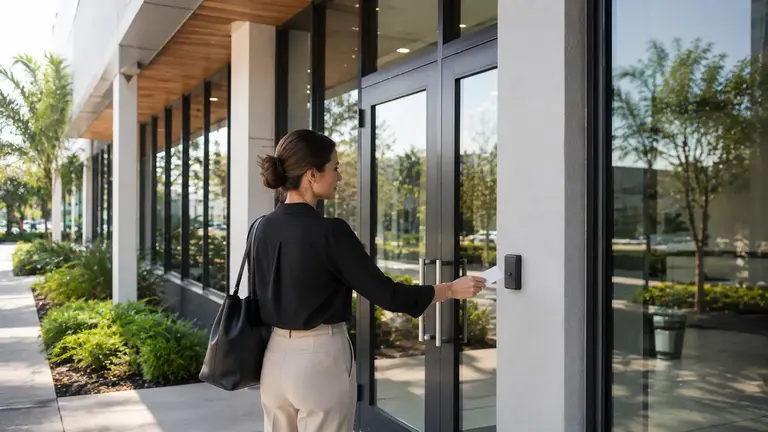
Residents, staff and vendors require different access durations and removal procedures.
Gates may sit far from the management office or nearest network equipment.
Mail, clubhouse, parking and service areas have different traffic patterns and privacy expectations.
Technical options must be tied to lifecycle, administration and budget without overstated outcomes.
Provide arrival and lane context at controlled entrances with realistic target expectations.
Coordinate resident, staff and vendor access methods with the administration process.
Plan call routing and entry release around staffed and unstaffed periods.
Focus on management-controlled approaches and shared areas where coverage is appropriate.
Improve context at common delivery locations while respecting neighboring private areas.
Connect distant gates, pools, clubhouses or maintenance structures using suitable infrastructure.
Combine entry context, credentials and visitor communication at the primary lane.
Confirm whether the lane needs equivalent controls or a simpler resident-only workflow.
Cover exterior arrival and selected common areas under association policy.
Position views around access and handoff points without recording private residential interiors.
Centralize authorized viewing, credential administration and incident export.
Support scheduled access without issuing uncontrolled permanent credentials.
Identify resident, guest, delivery, staff and vendor entry paths before choosing technology.
Review operators, safety devices, power, conduits, network reach and call routing.
Confirm association-controlled property and avoid private residential coverage.
Define who adds users, removes credentials, updates directories and exports video.
A community entrance can involve an operator, safety devices, resident credentials, visitor intercom, cameras, LPR context and a network path. Each part should be tested as one arrival workflow.
Remote viewing and access administration should use named roles where supported. Board members, management staff and vendors do not necessarily require the same privileges.
Ocala and Marion County communities include gated neighborhoods, condominium associations and multifamily properties with widely varying entrance distances and amenity layouts.
Long approaches and detached common buildings can make fiber or engineered outdoor wireless links more appropriate than ad hoc network extenders.
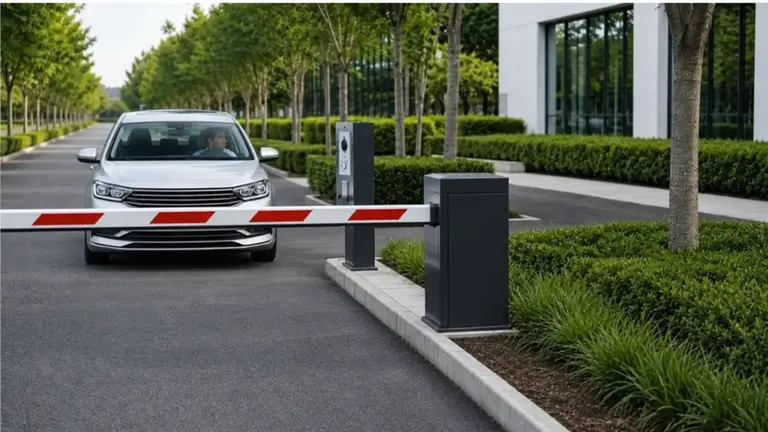
Provide arrival and lane context at controlled entrances with realistic target expectations. Site planning should identify resident, guest, delivery, staff and vendor entry paths before choosing technology.
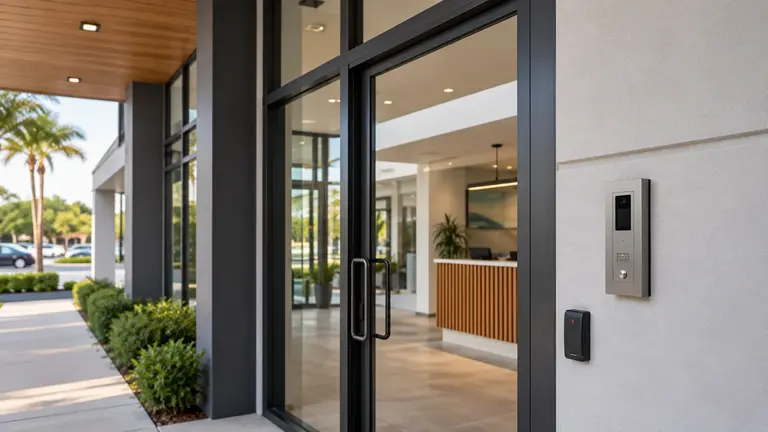
Coordinate resident, staff and vendor access methods with the administration process. Site planning should review operators, safety devices, power, conduits, network reach and call routing.
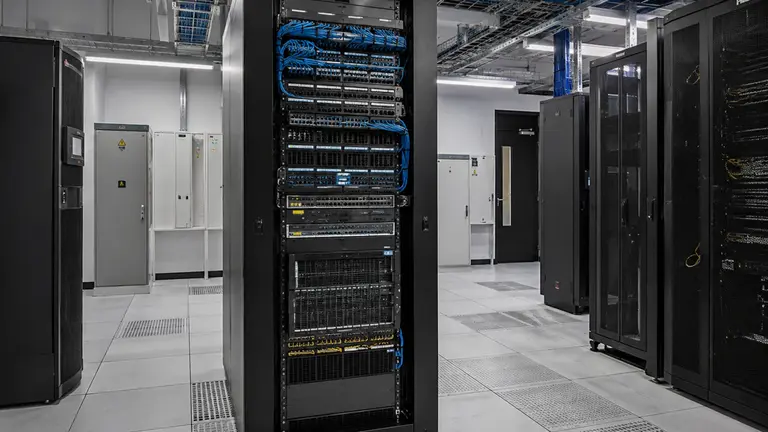
Design network-native IP video surveillance in Ocala with PoE, switching, bandwidth, fiber uplinks, remote buildings, recording, and managed access.
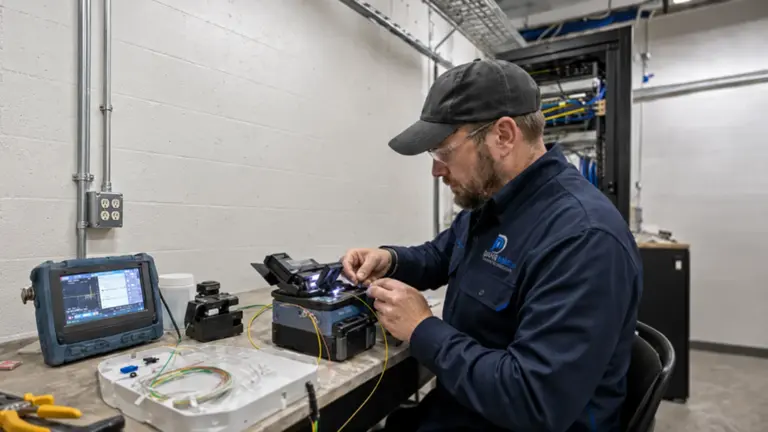
Plan building-to-building fiber, campus backbones, remote telecom links, termination, testing, and documentation for Ocala commercial and equestrian properties.
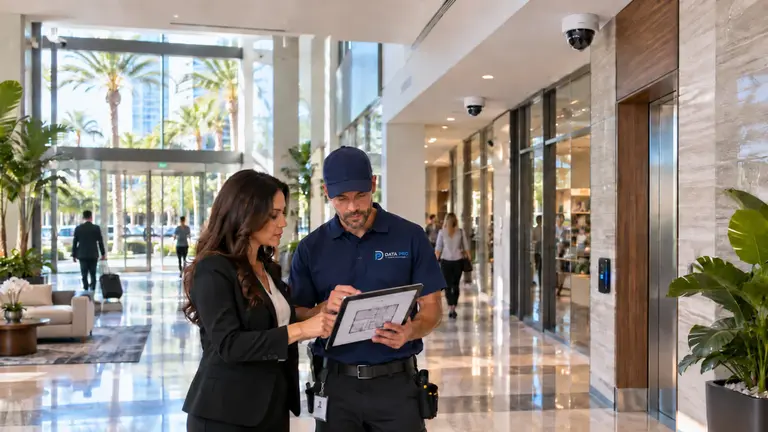
Multifamily & Hoa Communities properties can overlap with property management companies operations when different recorders, cameras, doors and cabling make support inconsistent across acquired or long-managed sites. The community's lifecycle record should identify gate operators, intercoms, cameras, controlled doors and network equipment, including who administers each system and which repairs remain open.
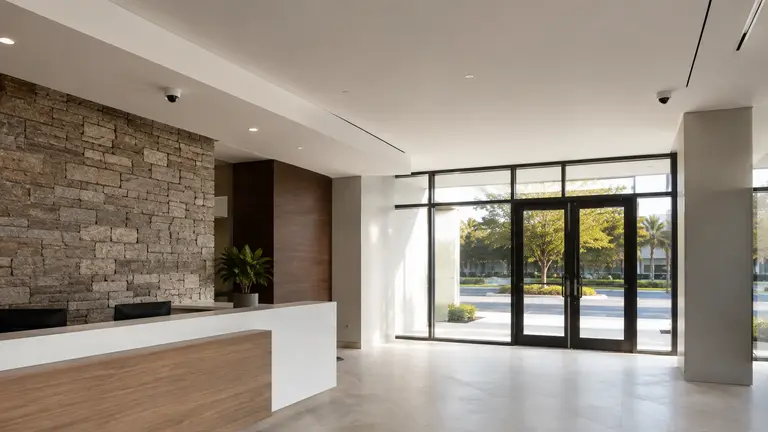
Multifamily & Hoa Communities properties can overlap with hospitality operations when installation windows are short and temporary outages require careful coordination. In those areas, the system should cover guest approaches and front-desk interaction zones without recording sensitive transaction detail.
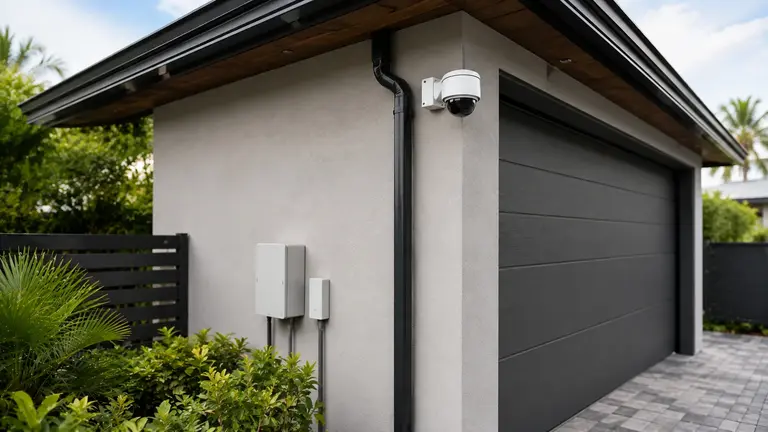
Multifamily & Hoa Communities properties can overlap with select residential properties operations when gate communications and cameras may be far beyond standard network distance. In those areas, the system should coordinate operator, intercom, credentials and camera context at a remote entrance.
Map residents, guests, vendors, deliveries and management responsibilities.
Measure lanes, distances, power, pathways and network reach.
Align cameras, gate functions, intercom and administrative tools.
Test entry scenarios and hand off credential, directory and export procedures.
Data Pro Communications serves commercial and professionally managed projects from the Ocala Branch at 603 E Fort King St, Ocala, FL 34471. Call (352) 517-4404. FL License #EC13016138. License information is presented factually and does not replace project-specific permitting, design or code review.
Questions and answers
Bring the community site plan, gate-lane configuration, current access rules and records for cameras, operators, intercoms and network equipment. Note delivery peaks, amenity hours, secondary entrances, resident and vendor workflows, telecom locations and who can approve access changes.
Residents, staff, guests and vendors need different credential durations and removal procedures. Planning maps those groups to the correct vehicle lane, pedestrian entrance or shared facility, then defines administration and visitor communication without granting broader access than the community intends.
Possibly. Existing gate, camera and recording components must be checked for supported operation, condition, administrator access, cabling and network capacity. Retained equipment also needs to provide useful lane and arrival context without suggesting that one view covers the entire entrance.
The survey reviews inbound and outbound lanes, queue space, gate operators, safety devices, intercom placement, lighting, power and the network route. Those conditions determine how credentials, visitor communication and camera context can work together at the primary entrance.
Gate access adds value at a secondary resident entrance when the lane has a defined user group, safe operator controls and a practical method for credential administration. The plan also confirms power, communications and camera context so entry events can be reviewed within the system's documented limits.
The customer responsible for multifamily & HOA communities should name the people who manage users, credentials, exports and service access. That role should add and remove resident, staff and vendor credentials according to the community's approved administration process.
Work in the multifamily & HOA communities environment is phased around its schedule and restricted areas. The plan calls for the team to confirm association-controlled property and avoid private residential coverage. Any outage or temporary access change for this multifamily & HOA communities scope is confirmed in advance.
The clubhouse approach includes pedestrian arrivals, vehicle drop-off and transitions to shared amenities, which may require different viewpoints. Camera positions are tested against association policy, available light and approved exterior or common-area coverage. The plan records any landscaping, columns or building features that continue to block the view.
It can be appropriate for multifamily & HOA communities, provided recording, bandwidth, user permissions and the supported access method are suitable. Remote viewing can help authorized users review activity at approved access and handoff points without recording private residential interiors. Remote use for multifamily & HOA communities does not create guaranteed monitoring or response.
For multifamily & HOA communities, cable distance, switch ports, PoE, equipment space, power protection, addressing responsibility and the recording path all matter. The network plan should focus on management-controlled approaches and shared areas where coverage is appropriate.
No. Systems used for multifamily & HOA communities may improve visibility or administrative control for that area, but they cannot promise prevention or a particular response. For this area, the system is intended to centralize authorized viewing, credential administration and incident export.
The multifamily & HOA communities scope assigns power, pathways, hardware, network settings and specialized interfaces to the responsible parties. That coordination is important because the project team needs to review operators, safety devices, power, conduits, network reach and call routing.
The agreed handoff for multifamily & HOA communities may include device names, labels, test results, user roles and open items. For this location, the handoff should document how scheduled vendor access is administered without issuing uncontrolled permanent credentials.
To assess the needs of a multifamily or HOA community, call (352) 517-4404 or submit the survey form with the property layout, current conditions and priorities. Data Pro Communications will confirm project fit and prepare for the visit by mapping residents, guests, vendors, deliveries and management responsibilities.
Discuss shared-area security and access planning for multifamily and community associations with Data Pro Communications. A site survey can confirm priorities, existing infrastructure, dependencies and a practical project sequence for the Ocala or Marion County property.