
Portfolio visibility
Property-by-property inventories expose obsolete equipment, documentation gaps and recurring failure patterns.
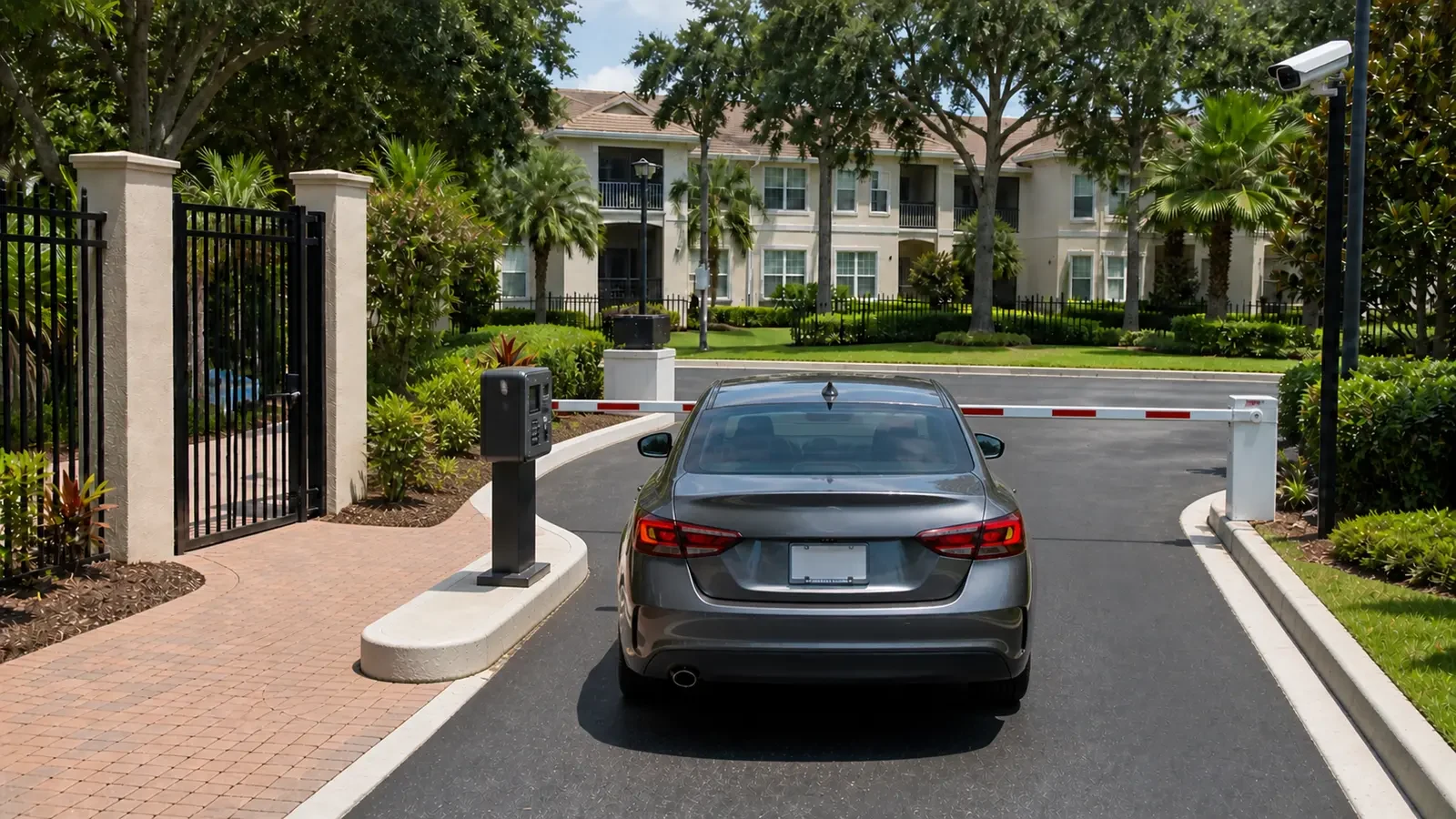
REPEATABLE SECURITY STANDARDS ACROSS A MANAGED PORTFOLIO
Property managers inherit different camera generations, credential practices, service histories and network conditions from one site to the next. A portfolio plan should make systems easier to operate and maintain without pretending every property can be standardized overnight.
Data Pro Communications helps management teams assess each site, prioritize upgrades, document equipment, coordinate vendor access and build practical standards for cameras, access, gates, connectivity and remote viewing.
Project planning principles
Property-by-property inventories expose obsolete equipment, documentation gaps and recurring failure patterns.
Urgent repairs, staged upgrades and planned replacements can be separated into a defensible roadmap.
Access roles and change procedures are defined for staff, tenants, contractors and vendors.
Naming, labels and records are organized so future technicians do not have to rediscover the system.
Property management security is an administrative and lifecycle problem as much as an installation problem. The manager needs to know what exists, who can access it, which property is at risk of failure and how service history informs the next budget.
A useful standard defines preferred documentation, naming, credential ownership, remote-access rules and handoff requirements while leaving room for property-specific conditions.
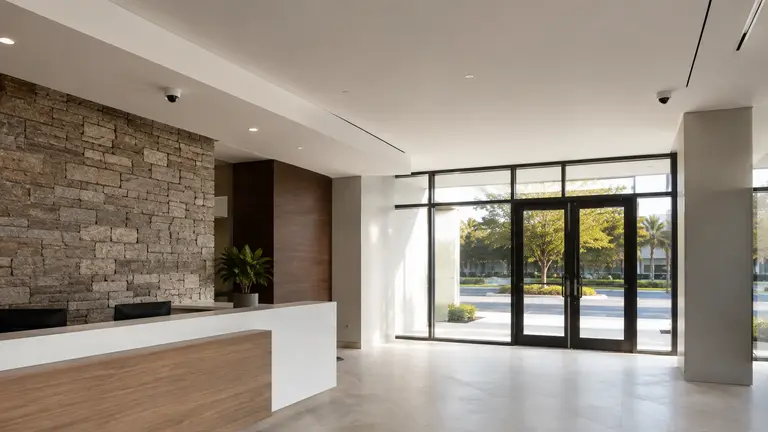
Different recorders, cameras, doors and cabling make support inconsistent across acquired or long-managed sites.
Staff, vendors and contractors can accumulate access unless issuance and removal have clear owners.
Unlabeled cabling and unknown passwords increase service time and complicate emergency changes.
Managers need to distinguish a repairable fault from infrastructure that should be replaced in phases.
Record major equipment, locations, access roles, observed condition and immediate gaps.
Apply consistent camera, door, panel, switch and credential conventions across sites.
Prioritize critical repairs, near-term modernization and longer-term replacement by property.
Organize site access around approved users and avoid shared credentials where the platform permits.
Document how technicians enter properties, reach equipment and coordinate with onsite contacts.
Summarize completed work and open dependencies in language usable for owners and asset teams.
Establish an equipment baseline, administrator access and immediate service priorities.
Trace whether the pattern comes from devices, power, cabling, network or recorder capacity.
Remove credentials and remote users promptly while preserving auditability.
Group upgrades by risk, lifecycle and infrastructure dependency instead of replacing isolated devices.
Consolidate drawings, passwords, labels and service contacts into a controlled record.
Define minimum documentation and commissioning requirements for future projects.
Review invoices, drawings and credentials before confirming conditions onsite.
Separate stable systems, repair candidates, modernization needs and end-of-life risks.
Assign responsibility for credentials, remote users, exports and vendor authorization.
Account for switches, cabling, door hardware and backbones that may drive the real upgrade cost.
Portfolio consistency is strongest at the administrative layer: naming, user roles, documentation, time settings and service records can be standardized even when sites use different hardware generations.
Where platforms support multi-site viewing, bandwidth, permissions and cyber practices must be considered before central access is enabled. Convenience should not create uncontrolled shared accounts.
Ocala property managers may oversee a mix of commercial, professional, multifamily and HOA assets across Marion County. That variety favors a common assessment method with property-specific scopes rather than one equipment package for every address.
A first engagement can focus on the highest-priority site while producing documentation that makes later portfolio decisions more consistent.
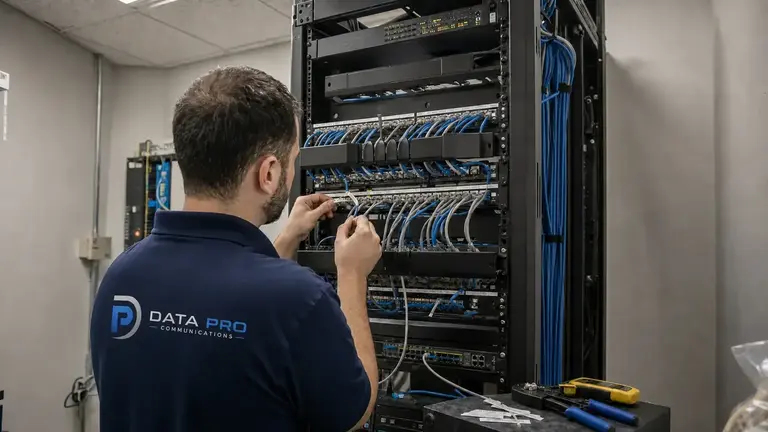
Record major equipment, locations, access roles, observed condition and immediate gaps. Site planning should review invoices, drawings and credentials before confirming conditions onsite.
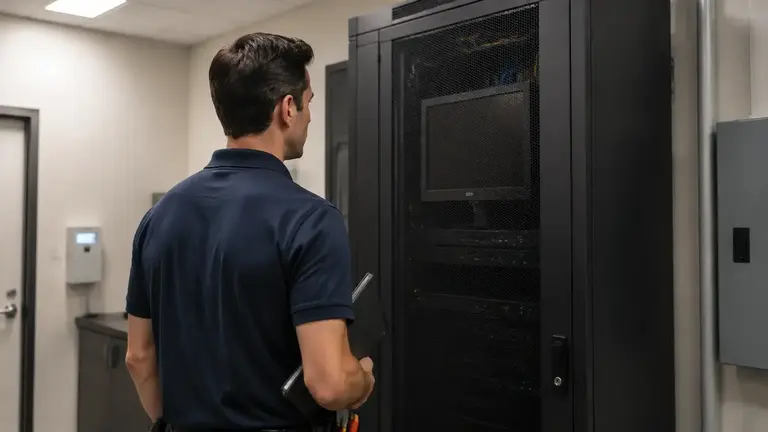
Apply consistent camera, door, panel, switch and credential conventions across sites. Site planning should separate stable systems, repair candidates, modernization needs and end-of-life risks.
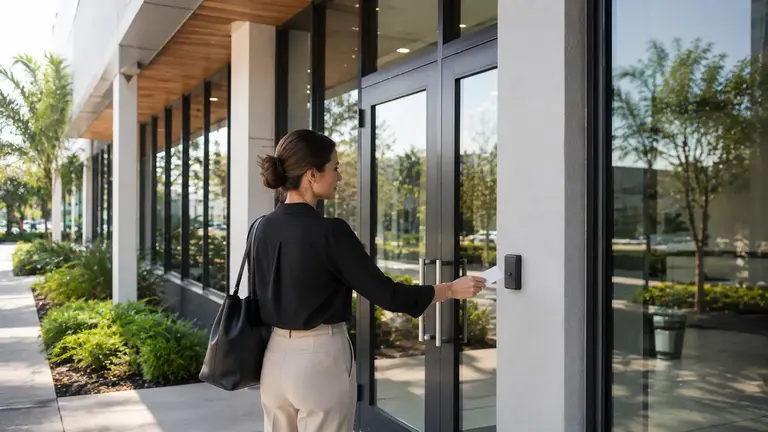
Prioritize critical repairs, near-term modernization and longer-term replacement by property. Site planning should assign responsibility for credentials, remote users, exports and vendor authorization.
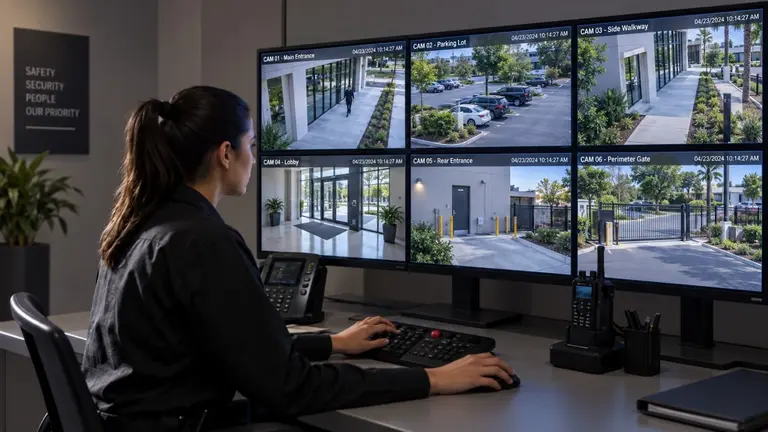
Plan commercial NVR storage, retention, playback, export, user permissions, and authorized remote camera access for Ocala properties.

Property Management Companies properties can overlap with multifamily & HOA communities operations when residents, staff and vendors require different access durations and removal procedures. For managed communities, each gate record should identify the lane, operator and credential workflow, together with the camera view and its documented limits.

Property Management Companies properties can overlap with commercial offices & retail operations when customers and visitors need intuitive circulation while staff rooms, storage and administrative areas remain controlled. Across managed offices or storefronts, the inventory should distinguish the approved entrance and reception views from staff-only and tenant-controlled areas.
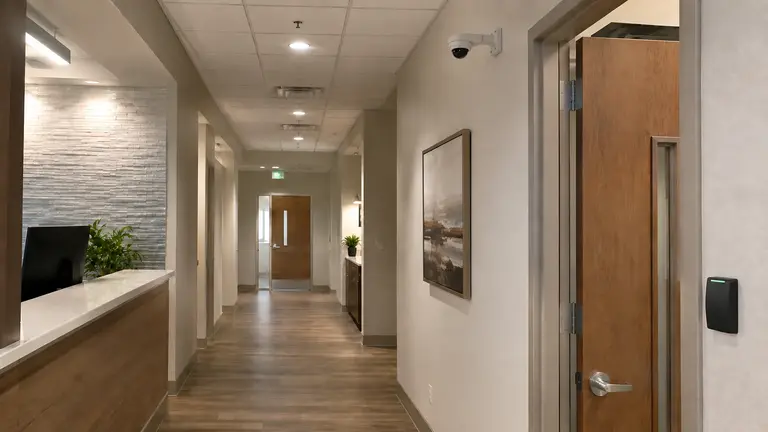
Property Management Companies properties can overlap with healthcare & professional offices operations when useful entrance and hallway context must not intrude into exam, treatment or other inappropriate private spaces. For managed healthcare or professional suites, camera records should show that public arrival coverage ends before exam, treatment or other private rooms.
Gather site lists, known platforms, access methods and recurring issues.
Document current condition, administrative risk and infrastructure dependencies.
Define naming, credentials, service records and a sequenced upgrade plan.
Update inventories, diagrams and open-item lists after every completed scope.
Data Pro Communications serves commercial and professionally managed projects from the Ocala Branch at 603 E Fort King St, Ocala, FL 34471. Call (352) 517-4404. FL License #EC13016138. License information is presented factually and does not replace project-specific permitting, design or code review.
Questions and answers
Provide the property list, available equipment inventories, recent service records and the names of local and portfolio-level administrators. For the first survey, identify recurring outages, newly acquired assets, telecom locations and the sites with the most urgent operational gaps.
Acquired and long-managed properties often use different recorders, cameras, doors and cabling. Professional planning creates a verified baseline for each site, assigns credential ownership, identifies supportable equipment and sequences repairs or modernization without assuming every property needs the same solution.
Possibly. Reuse is decided asset by asset after model support, condition, credentials, cabling and network resources are verified. The management record should show where each retained component is located, who administers it and which gaps still require attention.
At a newly acquired property, the survey inventories recorders, cameras, controlled doors, network locations and available credentials. It also reviews outage history and visible condition so management receives a usable baseline and a prioritized service list.
Service and maintenance add value when recurring outages are traced to a device, power source, pathway, network connection, recorder or storage condition instead of treated as isolated resets. Clear labels and service records let the management team decide whether to repair, replace or plan a broader upgrade.
The customer responsible for property management companies should name the people who manage users, credentials, exports and service access. That role should maintain consistent names, records, access roles and service contacts across the managed sites.
Work in the property management companies environment is phased around its schedule and restricted areas. The plan calls for the team to assign responsibility for credentials, remote users, exports and vendor authorization. Any outage or temporary access change for this property management companies scope is confirmed in advance.
System administration should include a documented process for removing credentials and remote users promptly while preserving an auditable record of changes. Any platform limitations should remain documented for the management team.
Remote access records can help property management teams group upgrades by risk, lifecycle and infrastructure dependency instead of replacing isolated devices. Any remote access retained across the portfolio still requires suitable bandwidth, supported methods and clearly assigned user permissions.
For property management companies, cable distance, switch ports, PoE, equipment space, power protection, addressing responsibility and the recording path all matter. The network plan should organize site access around approved users and avoid shared credentials where the platform permits.
No. Systems used for property management companies may improve visibility or administrative control for that area, but they cannot promise prevention or a particular response. For this area, the system is intended to consolidate drawings, passwords, labels and service contacts into a controlled record.
The property management companies scope assigns power, pathways, hardware, network settings and specialized interfaces to the responsible parties. That coordination is important because the project team needs to separate stable systems, repair candidates, modernization needs and end-of-life risks.
The agreed handoff for property management companies may include device names, labels, test results, user roles and open items. For this portfolio, the handoff should preserve the minimum documentation and commissioning requirements that future projects must follow.
To assess property management needs, call (352) 517-4404 or submit the survey form with the property layout, current conditions and priorities. Data Pro Communications will confirm project fit and prepare for the visit by gathering site lists, known platforms, access methods and recurring issues.
Discuss multi-property security, access and infrastructure planning for property managers with Data Pro Communications. A site survey can confirm priorities, existing infrastructure, dependencies and a practical project sequence for the Ocala or Marion County property.