
Process-aware walkthroughs
Planning begins with production flow, restricted zones, maintenance routes and no-go areas.
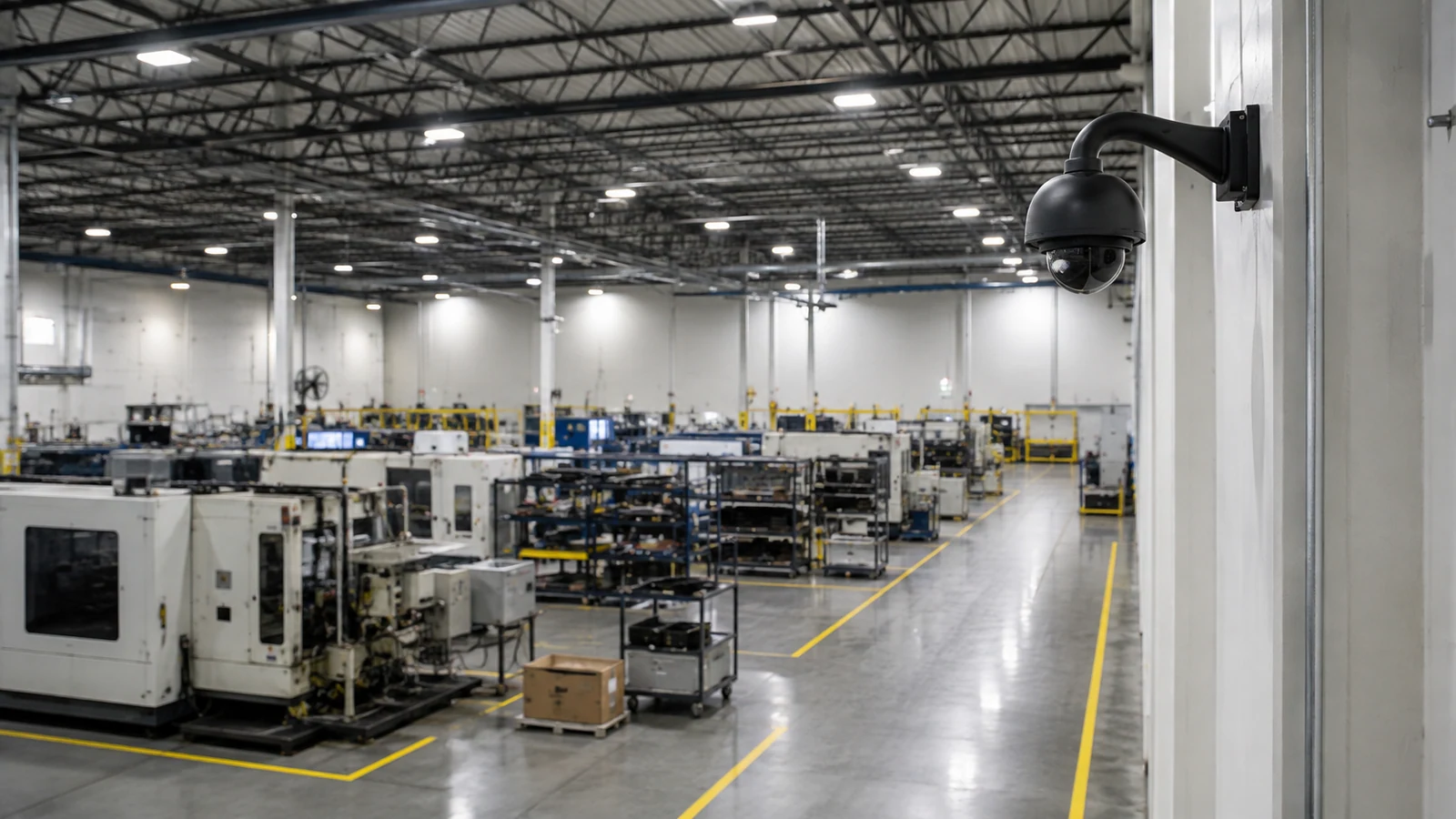
SYSTEMS BUILT AROUND PRODUCTION, RESTRICTED ZONES AND SERVICEABILITY
Industrial properties combine production activity, restricted processes, yard movement, service areas and infrastructure exposed to heat, dust, moisture or vibration. Security and connectivity must fit those conditions without interfering with machinery or safe work zones.
Data Pro Communications plans cameras, access control, fiber, structured cabling and network distribution around process areas, industrial offices, remote buildings and maintenance access.
Project planning principles
Planning begins with production flow, restricted zones, maintenance routes and no-go areas.
Cable routes, enclosures and equipment locations are selected for exposure and service access.
Fiber and distributed network equipment support long facilities and separate buildings.
Cutovers and tests are scheduled around production requirements and approved access windows.
Manufacturing security follows process and control rather than storage alone. The plan must understand where raw material enters, where production changes custody, which areas are restricted and how maintenance teams reach equipment.
Industrial network and camera devices also face environmental conditions different from an office. Final equipment suitability depends on the specific exposure, mounting, power and enclosure requirements observed onsite.
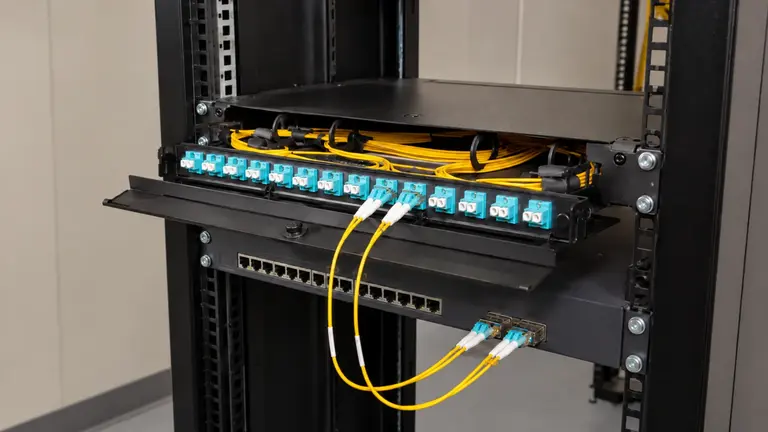
Mounting and cable work must avoid machinery, process hazards and restricted work areas.
Heat, dust, moisture, vibration and outdoor runs can shorten the life of unsuitable equipment.
Security devices may require defined separation from production or business systems.
A camera or switch that cannot be serviced safely will create avoidable downtime later.
Choose views from safe serviceable locations that do not obstruct work or imply process monitoring guarantees.
Control staff and contractor entry to designated operational rooms or zones.
Link distant telecom spaces, buildings or yard infrastructure across appropriate pathways.
Match routes, enclosures, grounding and surge considerations to observed conditions.
Work with the responsible IT or controls team on addressing, VLAN and handoff boundaries.
Label field devices, panels, switches and backbone paths for future service.
Provide context at selected transitions without placing equipment in unsafe or obstructive positions.
Combine restricted access with focused views at designated storage or issue points.
Cover contractor arrivals, exterior equipment and movement between buildings.
Coordinate visitor entry before access to production-controlled areas.
Extend a suitable backbone to infrastructure separated from the main plant.
Document the handoff between production, finished goods and outbound logistics.
Identify production, maintenance, restricted and administrative zones with facility leadership.
Record temperature, dust, moisture, vibration, washdown or outdoor conditions that affect equipment.
Define security connectivity with IT and controls stakeholders before commissioning.
Select locations and pathways that technicians can reach under facility procedures.
Industrial camera and access systems may share a fiber backbone while remaining logically separated from production controls. The network boundary, responsible administrator and permitted remote access should be explicit.
Access events can add context to cameras at restricted transitions, but they do not replace operational safety controls or process supervision.
Ocala and Marion County industrial sites range from compact fabrication operations to multi-building facilities with yards and production-linked warehouses. The industrial scope should be driven by process zones and exposure, not by a warehouse card copied onto a plant.
Field verification of pathways, environmental conditions and shutdown windows is essential before final device selection.
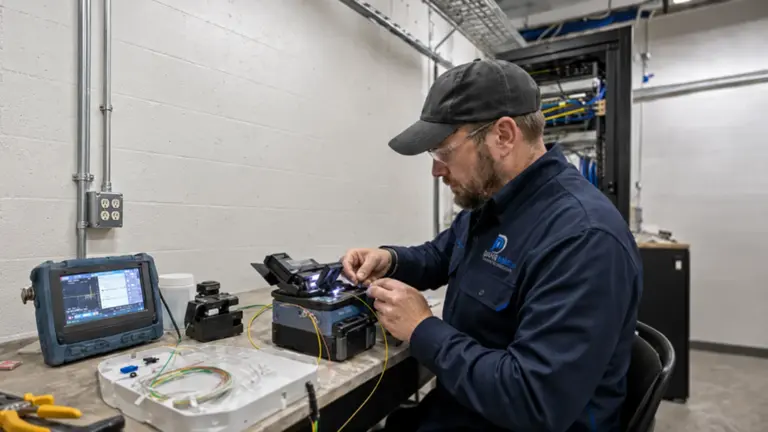
Plan building-to-building fiber, campus backbones, remote telecom links, termination, testing, and documentation for Ocala commercial and equestrian properties.
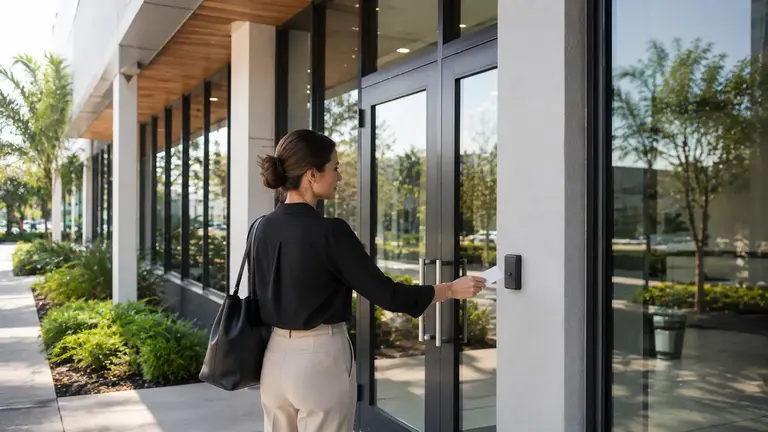
Control staff and contractor entry to designated operational rooms or zones. Site planning should record temperature, dust, moisture, vibration, washdown or outdoor conditions that affect equipment.
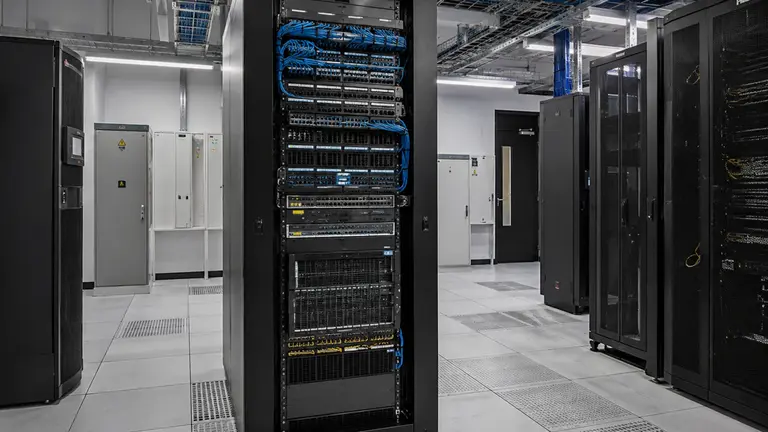
Design network-native IP video surveillance in Ocala with PoE, switching, bandwidth, fiber uplinks, remote buildings, recording, and managed access.
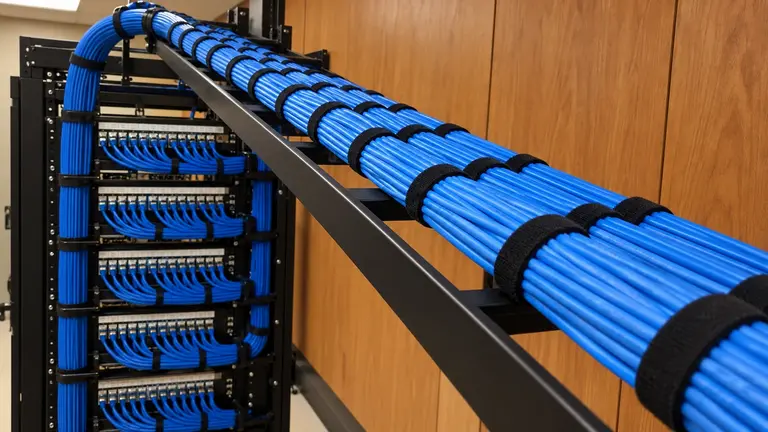
Match routes, enclosures, grounding and surge considerations to observed conditions. Site planning should select locations and pathways that technicians can reach under facility procedures.
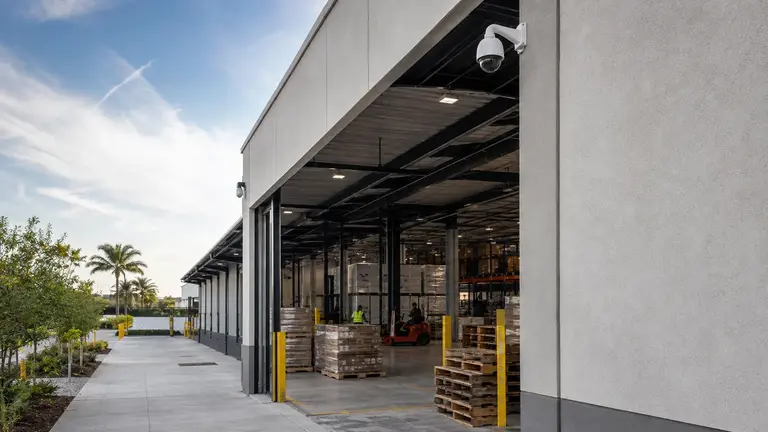
Manufacturing & Industrial properties can overlap with warehouses & logistics operations when high-bay ceilings can produce wide but unhelpful images unless lens choice and target detail are tested. In those areas, the system should pair dock context with closer views of loading activity where operational questions arise.
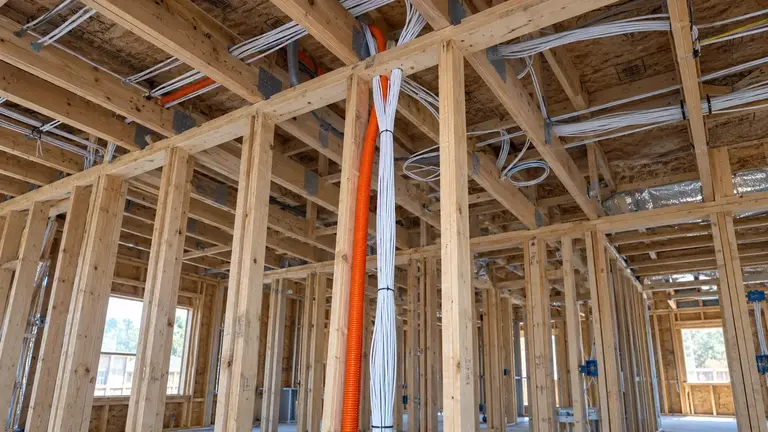
Manufacturing & Industrial properties can overlap with construction & general contractors operations when missing camera views or door functions can force pathway changes after finishes are installed. Industrial expansion drawings should carry approved camera and door locations, protected pathways and telecom requirements into rough-in and turnover documentation.
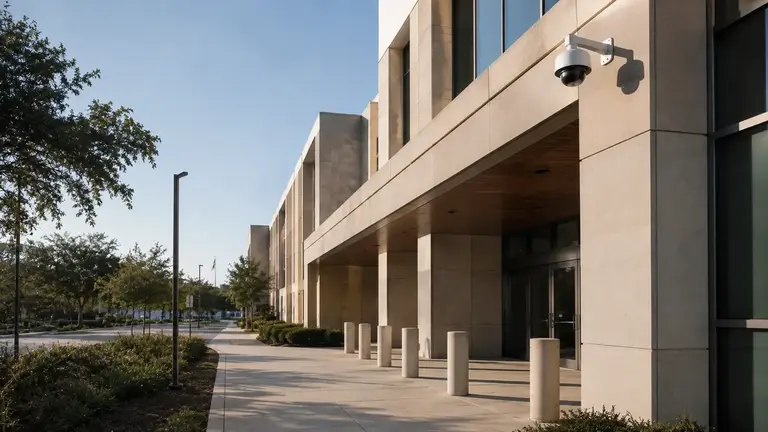
Manufacturing & Industrial properties can overlap with government & municipal operations when entrances and service counters must remain functional while staff areas retain appropriate control. In those areas, the system should provide useful approach and lobby context consistent with the facility's approved policy.
Understand production, restricted zones, material transfer and maintenance routes.
Resolve environment, pathways, fiber, switching, power and safe mounting.
Coordinate permits, escorts, shutdowns and active work areas.
Validate views, access, network separation, labels and maintenance reach.
Data Pro Communications serves commercial and professionally managed projects from the Ocala Branch at 603 E Fort King St, Ocala, FL 34471. Call (352) 517-4404. FL License #EC13016138. License information is presented factually and does not replace project-specific permitting, design or code review.
Questions and answers
Provide current production and facility drawings, restricted-area rules, shutdown windows and known locations for cameras, network equipment and fiber. Identify machinery boundaries, material routes, tool or parts-control points and the safety and operations contacts who can approve field access.
Mounting and cable work must stay clear of machinery, process hazards and restricted operational areas. Planning begins with approved observation targets and service access, then selects protected pathways and work windows that do not obstruct production flow.
Possibly. Existing equipment must be identified and checked for supported operation, physical condition, credentials and available cabling or network capacity. Retained cameras also need safe, serviceable mounting positions and approved views that do not imply process-monitoring performance.
At a production-area boundary, the survey reviews authorized movement, machinery clearance, changing light, vibration or environmental exposure, safe mounting surfaces and the route to protected network equipment. The plan uses that information to cover selected transitions without placing devices or technicians in obstructive positions.
Fiber adds value when a tool or parts-control point is separated from the main network by distance, building layout or electrical conditions that make a copper link unsuitable. The design confirms a protected route, termination locations, equipment space and service access before the link is specified.
The customer responsible for manufacturing & industrial should name the people who manage users, credentials, exports and service access. That role should authorize and remove staff or contractor credentials for designated operational rooms and zones.
Work in the manufacturing & industrial environment is phased around its schedule and restricted areas. The plan calls for the team to define security connectivity with IT and controls stakeholders before commissioning. Any outage or temporary access change for this manufacturing & industrial scope is confirmed in advance.
A service yard contains several distinct targets, such as the vehicle entrance, exterior equipment and movement between buildings. Mounting locations are evaluated for lighting, weather exposure, machinery clearance and technician access, and the approved views are documented without claiming complete yard coverage.
It can be appropriate for manufacturing & industrial, provided recording, bandwidth, user permissions and the supported access method are suitable. Remote viewing can help authorized users review visitor entry before access to production-controlled areas. Remote use for manufacturing & industrial does not create guaranteed monitoring or response.
For manufacturing & industrial, cable distance, switch ports, PoE, equipment space, power protection, addressing responsibility and the recording path all matter. The network plan should match routes, enclosures, grounding and surge considerations to observed conditions.
No. Systems used for manufacturing & industrial may improve visibility or administrative control for that area, but they cannot promise prevention or a particular response. For this area, the system is intended to extend a suitable backbone to infrastructure separated from the main plant.
The manufacturing & industrial scope assigns power, pathways, hardware, network settings and specialized interfaces to the responsible parties. That coordination is important because the project team needs to record temperature, dust, moisture, vibration, washdown or outdoor conditions that affect equipment.
The agreed handoff for manufacturing & industrial may include device names, labels, test results, user roles and open items. For this location, the handoff should document the monitored transition between production, finished goods and outbound logistics for ongoing service.
To assess manufacturing & industrial needs, call (352) 517-4404 or submit the survey form with the property layout, current conditions and priorities. Data Pro Communications will confirm project fit and prepare for the visit by reviewing production, restricted zones, material transfer and maintenance routes.
Discuss industrial security, network and access planning for production facilities with Data Pro Communications. A site survey can confirm priorities, existing infrastructure, dependencies and a practical project sequence for the Ocala or Marion County property.