
Path validation before hardware
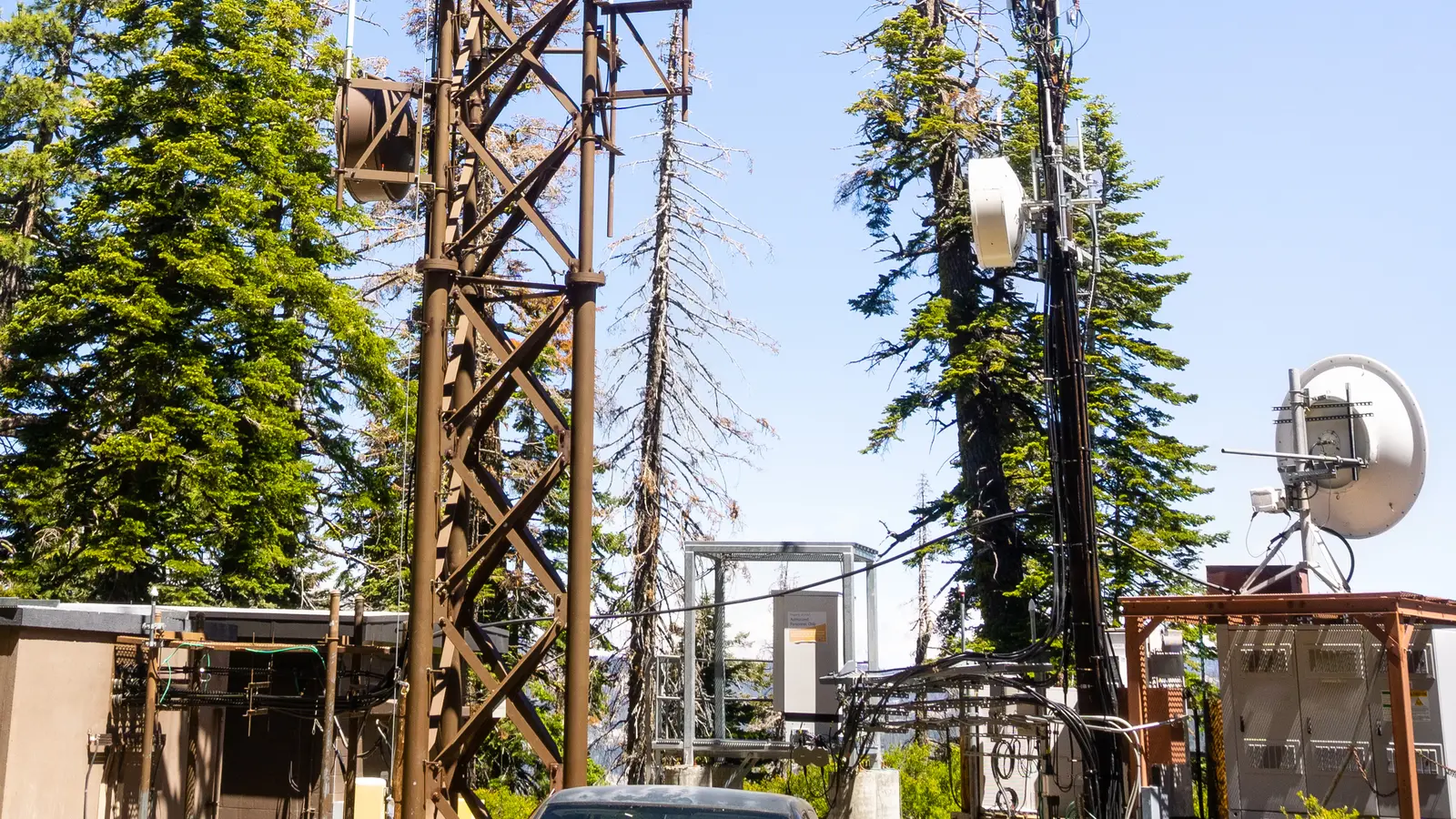
Line of sight, path clearance, terrain, structures, vegetation, and likely interference are reviewed before selecting radios.
Commercial Technology Solutions | Ocala and Marion County
A point-to-point wireless link creates a network bridge between separated locations when the outdoor path, capacity, mounting, power, and operating conditions support it. The design is driven by both endpoints and the space between them, not by a distance claim printed on equipment packaging.
An outdoor bridge is only as strong as its path and endpoints. Clearance, interference, mounting stability, power, switching, application traffic, and baseline measurements determine whether the link is a maintainable backhaul rather than a hopeful radio pair.
Line of sight, path clearance, terrain, structures, vegetation, and likely interference are reviewed before selecting radios.
Switch ports, PoE, backhaul demand, radio interface, and remote-device traffic are planned end to end.
Supports, alignment, weather exposure, cable entry, grounding/surge responsibilities, and service access are treated as part of the link.
FL License #EC13016138 is used factually without wireless-distance, throughput, or uptime guarantees.
Two radios can see each other visually and still perform poorly if the path is partly obstructed, mounting moves, interference changes, channels are unsuitable, or traffic demand exceeds stable capacity. A useful design evaluates clearance around the direct path, not merely a straight sightline.
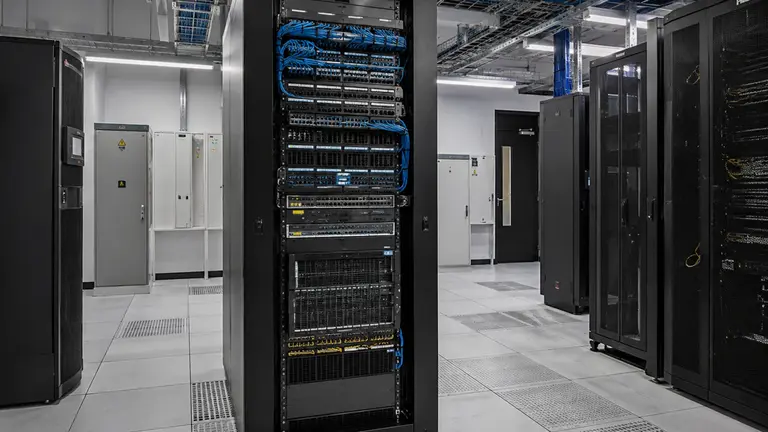
Rooflines, trees, terrain, new construction, parked equipment, and seasonal growth can intrude into the radio path and reduce stability.
Flexible poles, weak brackets, wind loading, vibration, and inaccessible aiming points can alter alignment after installation.
Competing outdoor links, Wi-Fi, radar-related constraints where applicable, noise, and changing spectrum use affect channel selection and usable capacity.
A gatehouse or camera pole may lack suitable power, PoE, switching, grounding coordination, enclosure space, or a path from the radio to the endpoint.
Connect separate structures through a directional outdoor link when the path is viable and a physical route is impractical.
Carry camera traffic from a pole, yard, gate, or outbuilding after confirming stable capacity and local power.
Select mounting locations, heights, brackets, cable routes, weather protection, service access, and alignment method.
Review available spectrum, interference, channel width, regulatory settings, and coexistence with nearby networks.
Compare real application traffic, protocol overhead, distance, signal quality, and growth with conservative link objectives.
Document alignment, signal metrics, negotiated link, throughput or stability tests, configuration ownership, and baseline conditions.
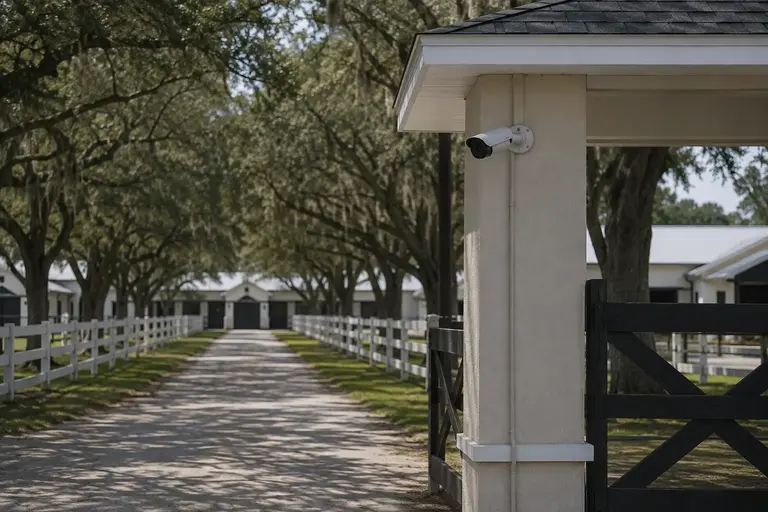
Extend connectivity from the main building to cameras, access devices, or business operations when the outdoor path is clear.
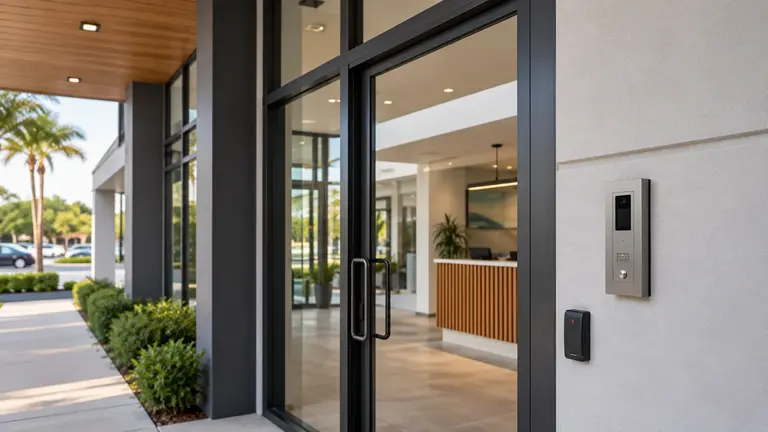
Support intercom, access, and camera data at a vehicle entrance without treating the wireless link as the gate system itself.
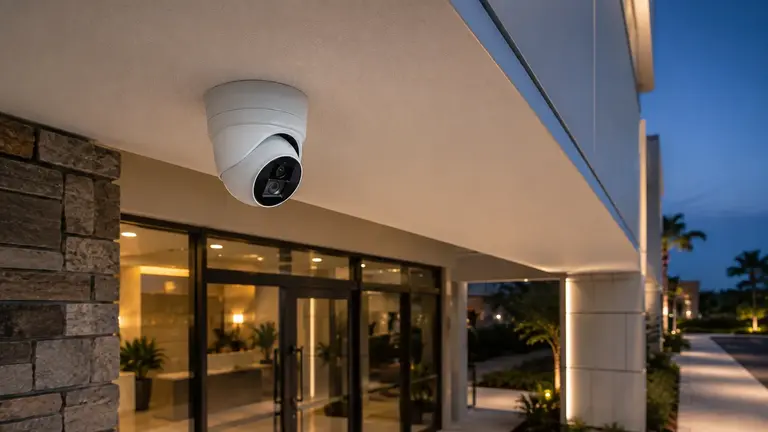
Backhaul one or several cameras from a yard or perimeter location after calculating aggregate traffic and power.
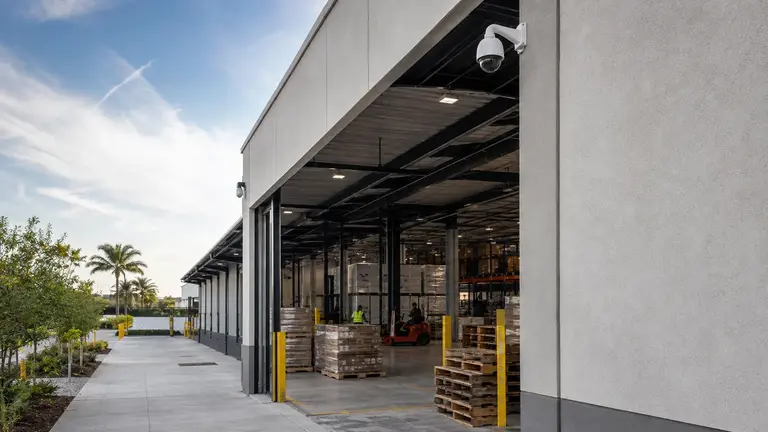
Connect inventory or security endpoints in a separated structure where trenching is impractical and mounting options are stable.
Identify local switches, devices, PoE, required throughput, latency sensitivity, management access, and growth at each side.
Evaluate direct visibility, clearance around the path, distance, terrain, trees, structures, heights, and future obstruction risk.
Choose frequency, channel, antenna, radio, brackets, elevation, weather protection, cable entry, and alignment approach.
Record signal, noise, modulation, capacity or throughput results, stability, configuration, photographs, and environmental conditions at commissioning.
The bridge may carry camera streams, gate-intercom sessions, access events, or ordinary network traffic. Device placement, recording, credential rules, and gate behavior remain in their respective system scopes.
Equestrian facilities, industrial yards, warehouses, gatehouses, and other large properties may need connectivity beyond the main building. A stable link depends on the actual route, vegetation, structures, mounting, weather exposure, service access, and traffic, so each pair of endpoints needs its own assessment.
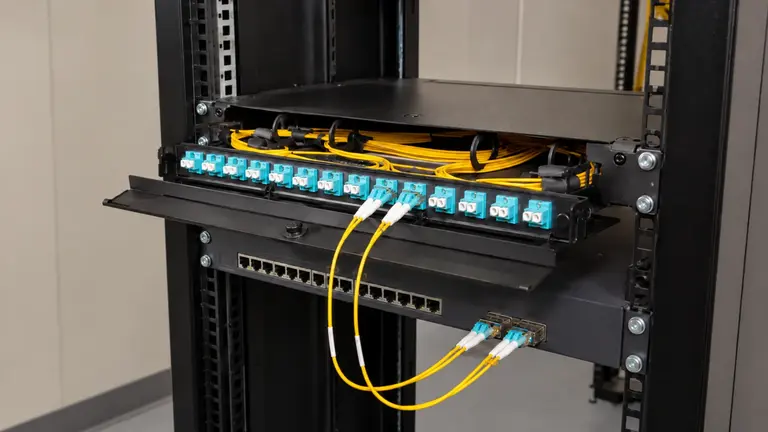
Provide switching, PoE, segmentation inputs, uplink capacity, and management at both ends of the bridge.
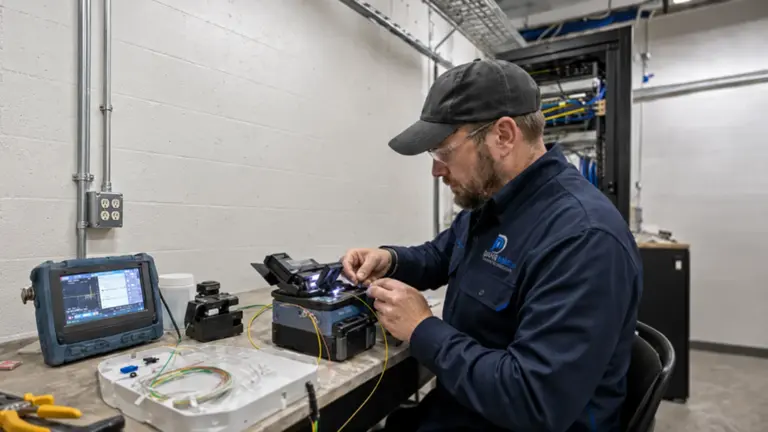
Use a physical optical backbone when pathway, reliability, distance, capacity, and long-term infrastructure make fiber the better fit.
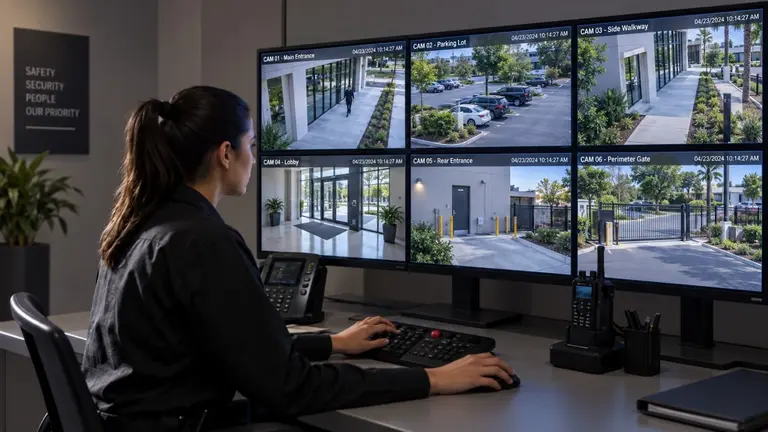
Plan remote camera scenes, recording, bandwidth, and evidence needs that may use the wireless backhaul.
Facility teams, network owners, industrial operators, equestrian properties, gate managers, and contractors use outdoor bridges for separated endpoints; detailed industry advice and general indoor Wi-Fi coverage remain separate.
Document devices, network handoffs, traffic, power, mounting options, and responsible administrators.
Check line of sight, surrounding clearance, terrain, structures, vegetation, distance, and interference conditions.
Mount weather-rated equipment, route and protect cabling, configure radios, and align the path.
Record signal, noise, modulation, capacity, stability, configuration, and the test conditions for later comparison.
Ocala Security Cameras by Data Pro Communications is operated by Data Pro Communications for the Ocala Branch. Contact information: 603 E Fort King St, Ocala, FL 34471; (352) 517-4404; info@dataprocommunications.com. FL License #EC13016138.
Questions and answers
No. Clearance around the direct path, interference, mounting stability, distance, channel selection, equipment, weather exposure, power, and traffic all affect performance.
Radio energy occupies an area around the straight line between antennas. Objects intruding into that area can weaken or vary the link even when the far endpoint remains visible.
Yes, when both endpoints have suitable height, path clearance, mounts, power, network handoffs, capacity, environmental protection, and service access. Fiber should also be considered if a practical physical route exists.
Usable throughput depends on equipment, channel width, spectrum, distance, signal quality, interference, modulation, protocol overhead, configuration, and traffic direction. A product maximum is not a site guarantee.
Possibly. Planning must total camera bitrates, peaks, overhead, other traffic, recording location, uplink limits, and growth, then compare them with conservative stable link capacity.
A useful mount provides required height and clearance, structural stability, alignment access, safe cable routing, weather protection, service reach, and coordination for grounding and surge protection.
Leaves, branches, growth, wind movement, and water content can obstruct or vary the path. A route that is clear in one season may not remain clear without adequate margin and vegetation management.
No. Wireless can avoid trenching in some settings, but it adds towers or mounts, RF design, alignment, power, environmental exposure, and ongoing path conditions. Fiber adds pathway and termination costs but creates a physical optical route.
Record endpoint locations and heights, photographs, models, configuration ownership, frequency and channel, signal and noise metrics, modulation, capacity or throughput test results, cable paths, power, and date/conditions.
Provide endpoint locations, approximate distance, elevation or roof access, intended traffic, device counts, power and switches, visible obstructions, existing fiber or conduit options, and any mounting or property-access restrictions.
Request an endpoint, clearance, RF, mounting, power, capacity, and stability review for an outdoor network bridge.