
Opening-by-opening design
Each door is reviewed for hardware interface, egress behavior, monitoring, power, communications, and daily use.
Commercial Technology Solutions | Ocala and Marion County
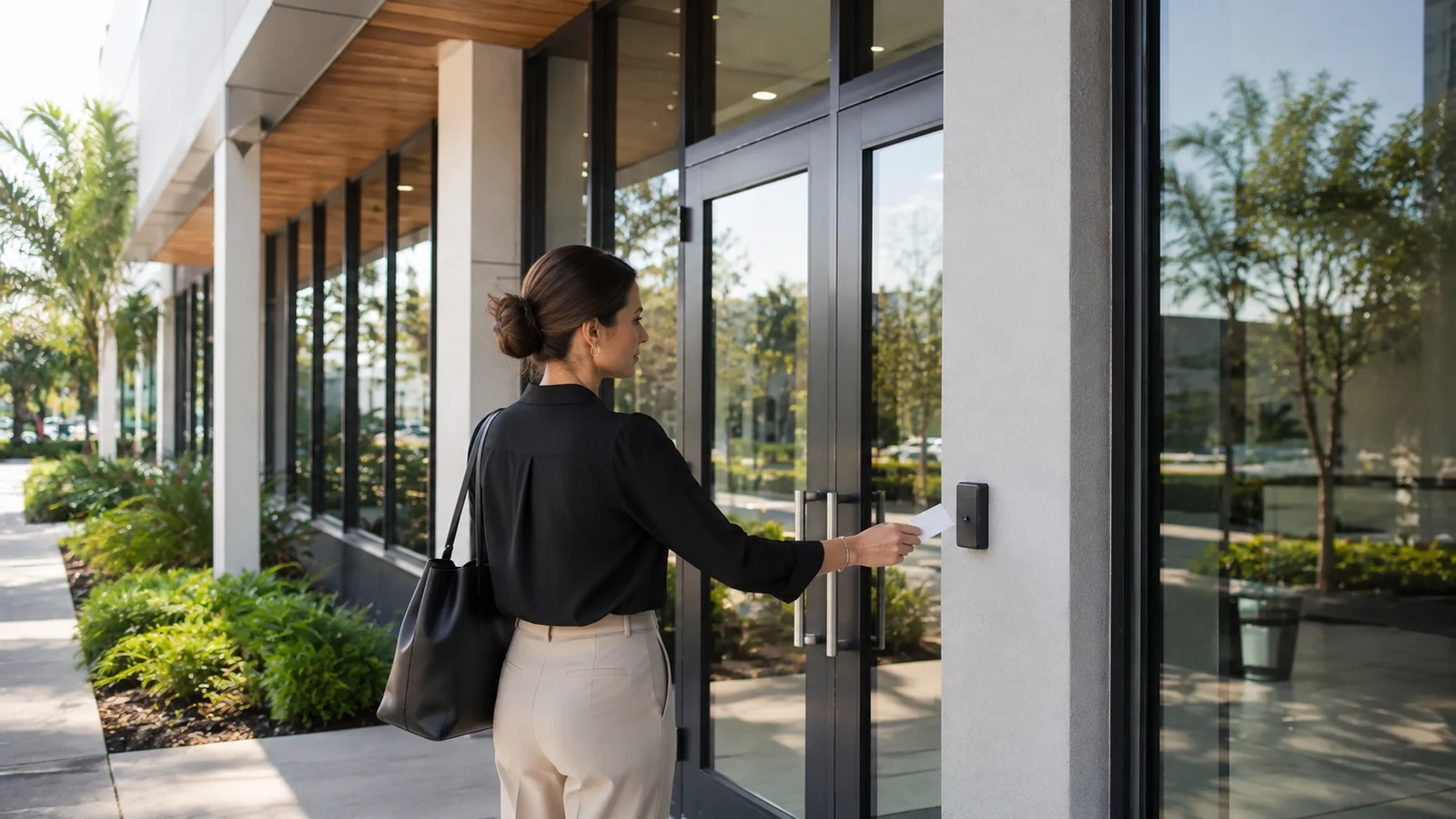
Access control manages who may use a controlled door, when permission applies, and how the opening reports events. A complete commercial design coordinates credentials, readers, door hardware interfaces, request-to-exit, door-position monitoring, schedules, access groups, administration, and the responsibilities around each opening.
The permission database and the physical opening must be commissioned together. A valid credential is only useful when the door, lock interface, egress devices, schedules, monitoring, and administrator responsibilities behave as expected.
Each door is reviewed for hardware interface, egress behavior, monitoring, power, communications, and daily use.
Access groups and schedules are organized around actual roles instead of accumulating one-off credential exceptions.
Reader use, door state, request-to-exit, alarm conditions, and management records are validated together.
FL License #EC13016138 is stated as the approved credential without promising code approval or hardware compatibility.
Electronic access succeeds when the physical opening and the permission model agree. The reader can accept a credential, yet entry may still fail because of door alignment, lock interface, power, request-to-exit, scheduling, or administrative configuration.
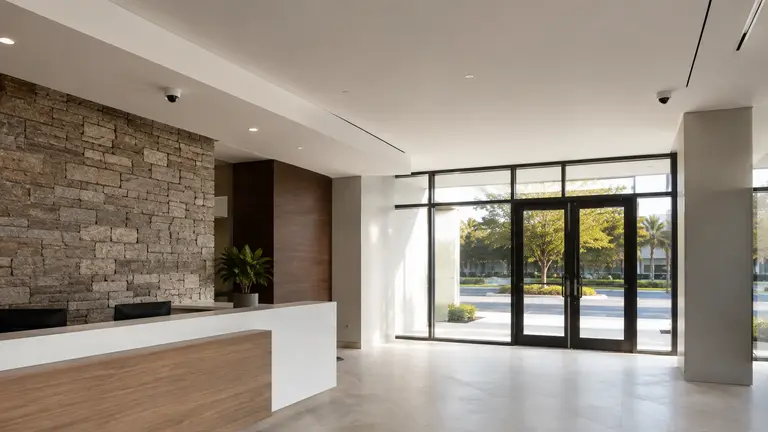
Frame, closer, latch, lock, hinge, and alignment issues can prevent reliable operation even when the electronic components respond.
The access scope must respect approved egress behavior and coordinate with the appropriate door, fire-alarm, electrical, and authority stakeholders.
Unclear ownership of enrollment, termination, schedules, and audit review leads to stale permissions and inconsistent access.
A forced, held, propped, or normally open condition must be defined through the selected hardware, timing, and operational policy.
Support approved card or mobile credentials when the selected platform and owner policy allow them.
Connect readers, locks, door-position switches, request-to-exit devices, and approved release inputs to the access platform.
Organize permissions by role, location, and time while preserving an understandable administration model.
Record open, closed, forced, held, and credential events according to available hardware and configured rules.
Define administrator roles, enrollment process, permission changes, reporting needs, and credential revocation responsibilities.
Review controller capacity, power, network, licensing, panel locations, and naming conventions before adding openings.
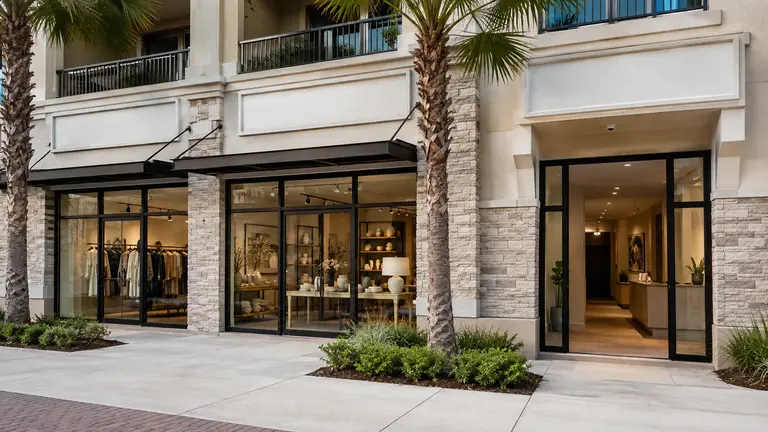
Limit staff-only areas while keeping reception and customer movement practical during business hours.
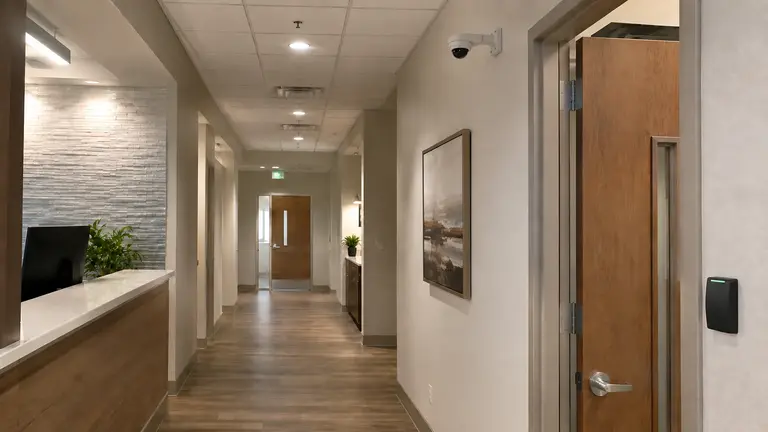
Coordinate controlled records, supply, or staff doors with occupied operations and approved egress requirements.
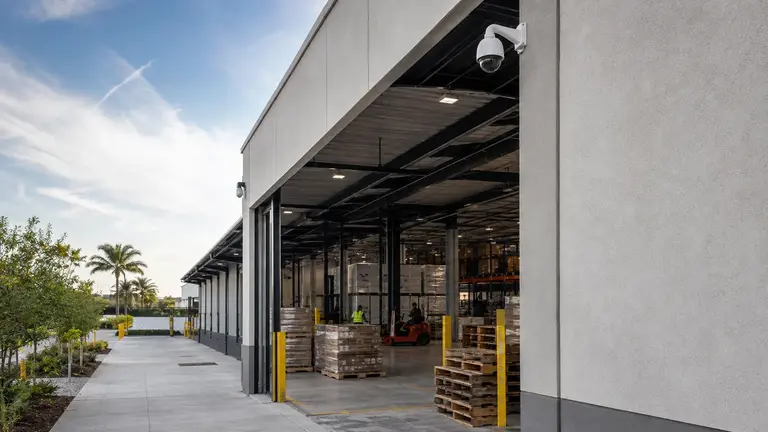
Separate employee door access from loading, visitor, and vehicle-gate workflows.
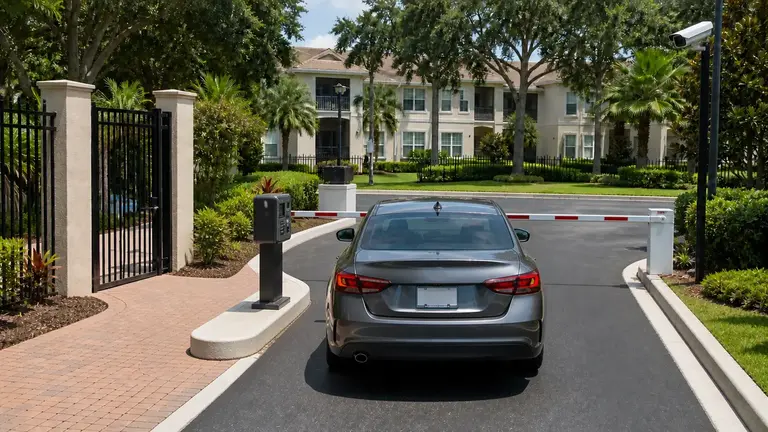
Administer resident, staff, and vendor permissions for a clubhouse or shared room without treating the community vehicle gate as an ordinary door.
Record door type, frame, lock, closer, latch, egress hardware, power, cable path, reader location, and monitoring needs.
Define credential types, user groups, schedules, exceptions, enrollment, and revocation before programming.
Assign door hardware, electrical, fire-alarm, network, and access-control tasks to the appropriate parties.
Test valid and invalid credentials, schedules, request-to-exit, door states, loss of power/network behavior, and event reporting as applicable.
A camera may help authorized staff review activity at a controlled door, and an intercom may support visitor release. Those systems complement credentials and door state; they do not replace a correctly designed controlled opening.
Offices, clinics, warehouses, managed amenities, and industrial facilities use different schedules, staffing patterns, and restricted areas. Permission groups should reflect those operations, while gates and long-driveway entrances remain a separate vehicle-entry discipline.
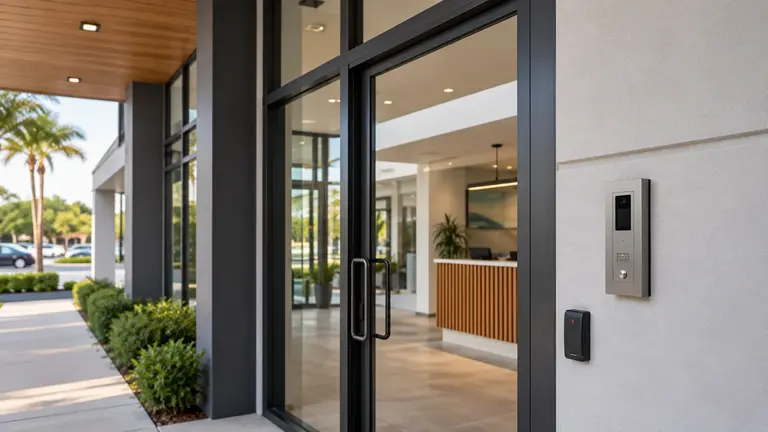
Add visitor communication and an approved release workflow at a controlled entrance.
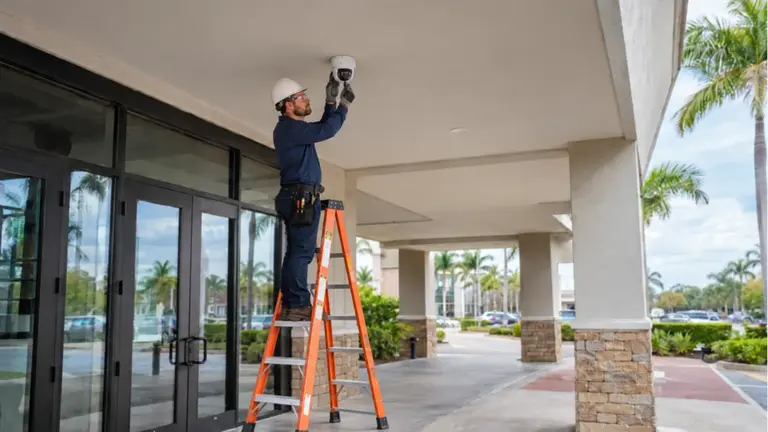
Provide visual context at selected doors without treating video as the permission system.
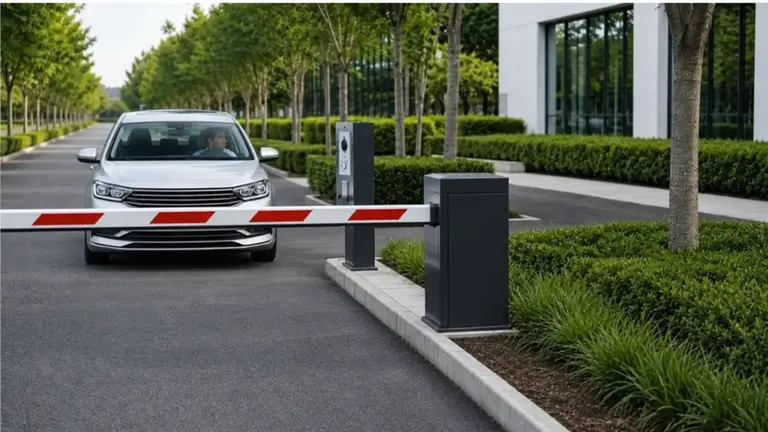
Plan vehicle entrances, operator interfaces, detection, remote release, and gate-specific workflows.
Property managers, facility leaders, security contacts, contractors, and authorized administrators use door access control for controlled pedestrian openings and credential management. Vehicle entrances require additional gate-operator, detection, communication, connectivity, and traffic planning.
Document door hardware, egress, power, pathways, reader position, and desired monitoring.
Define users, credentials, groups, schedules, exceptions, and administrative ownership.
Align access panels with hardware, electrical, fire/life-safety, network, and construction responsibilities.
Validate entry, exit, schedule, door-state, event, and administrator workflows before handoff.
Ocala Security Cameras by Data Pro Communications is operated by Data Pro Communications for the Ocala Branch. Contact information: 603 E Fort King St, Ocala, FL 34471; (352) 517-4404; info@dataprocommunications.com. FL License #EC13016138.
Questions and answers
A typical opening can include a reader, credential, controller input/output, lock interface, door-position switch, request-to-exit device, power, cabling, network communication, and configured permissions. The exact set depends on the door and approved design.
Possibly, when the selected platform, reader hardware, mobile device support, licensing, network services, and owner policy support them. A mobile credential should not be promised before compatibility is confirmed.
Administrators assign users to access groups with approved doors and time schedules. Holiday rules, temporary access, after-hours exceptions, and termination procedures should be documented.
Request-to-exit indicates an authorized exit action or suppresses an alarm during egress. Door-position monitoring reports whether the opening is physically open or closed. They serve different purposes and may both be needed.
Only after confirming voltage, current, fail mode, condition, listing information, door operation, power supply, controller interface, and the approved egress design. Reuse depends on the complete opening, not just the lock model.
No. The system manages permissions and reports available events; physical security depends on the door, frame, hardware, installation, monitoring, response procedures, and the method of attack.
The owner should name authorized administrators and define enrollment, approvals, access changes, credential revocation, audit review, and account recovery. Administrative credentials should not be shared casually.
Release and interface behavior must follow the approved design, applicable requirements, and coordination with the responsible licensed trades and authorities; no single release method applies to every controlled opening.
Credentials may be shared, but vehicle gates have operator, detection, safety-device, traffic, intercom, remote-location, and entrance-verification needs covered under Gate Access & Entry Systems.
Provide a door list, floor plan if available, hardware information, current credential process, user groups, schedules, visitor workflow, network and power details, administrator contacts, and known egress or construction constraints.
Request an opening-by-opening review of hardware interfaces, credentials, schedules, monitoring, and administration.