
Crystal River Property Context
Crystal River properties can differ sharply between downtown, waterfront commercial, office/service and hospitality settings, especially where exposure or equipment placement must be confirmed on site.
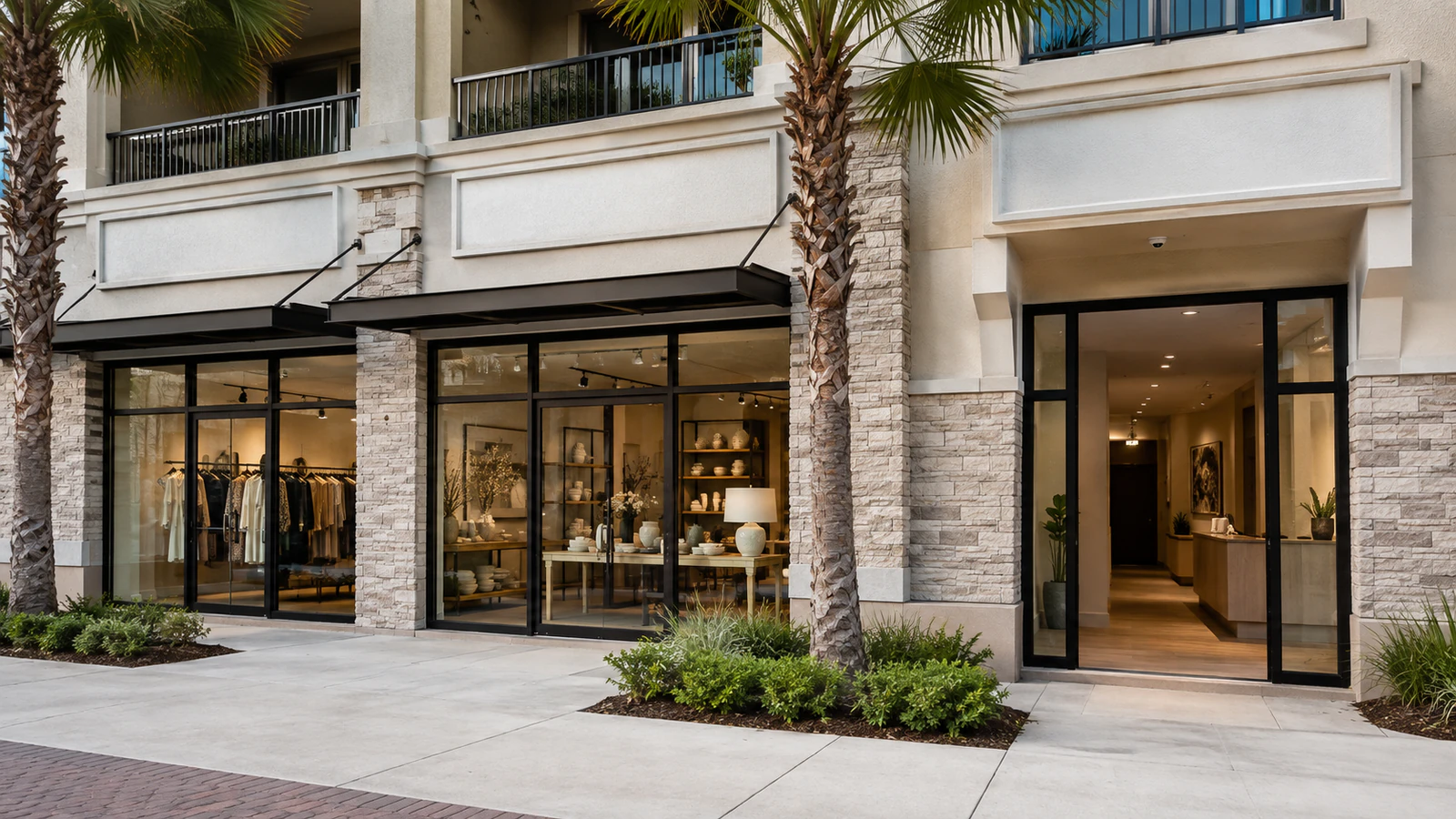
COMMERCIAL SYSTEM PLANNING FOR CRYSTAL RIVER PROPERTIES
Crystal River’s commercial properties range from compact downtown and waterfront businesses to office, highway and industrial sites. Camera and network decisions should respond to each parcel’s access, exposure and building form without making broad claims about tourism, marine work or public customers.
Crystal River projects require a property-by-property review because a downtown business, waterfront commercial site and highway property may have different exposure, parking and service-access conditions. Data Pro Communications confirms those details before choosing exterior locations or network pathways.
Crystal River properties can differ sharply between downtown, waterfront commercial, office/service and hospitality settings, especially where exposure or equipment placement must be confirmed on site.
Crystal River coverage responds separately to downtown customer access, waterfront service activity, hospitality arrivals and highway-property circulation.
Hospitality equipment locations are selected for the property’s actual exposure, lighting and service access, with network return and mounting confirmed on site.
Data Pro Communications provides project-specific low-voltage work under FL License #EC13016138 for qualifying Crystal River properties, including verified needs around highway commercial parcels.
The city’s planning framework recognizes several distinct commercial forms. For a security project, that translates into different view distances, enclosure needs, parking patterns and installation constraints. The survey should verify drainage or flood-related conditions where applicable, but it should never assume that every Crystal River property shares them.
Relevant properties include downtown mixed-use businesses, waterfront commercial properties, office and service-commercial sites, highway commercial parcels, hospitality properties, and limited industrial or working-service sites. Crystal River scopes treat environmental exposure as a property finding, not a citywide assumption, and locate infrastructure where the operator can inspect and maintain it.
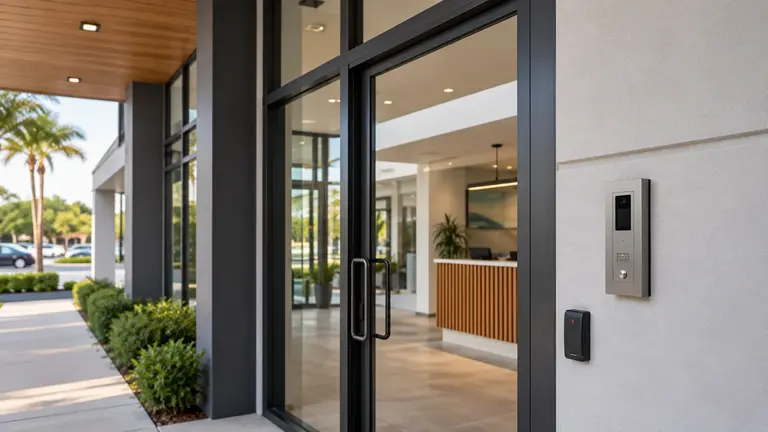
Coastal weather, moisture and low-lying conditions may affect enclosure, mounting and equipment-location decisions on some properties.
Waterfront or hospitality sites can mix guest approaches, staff entries, deliveries and restricted service space.
A compact downtown parcel and a highway lot require different focal lengths, mounting heights and network routes.
Weather-rated hardware still needs safe service access and a protected path back to recording and network equipment.
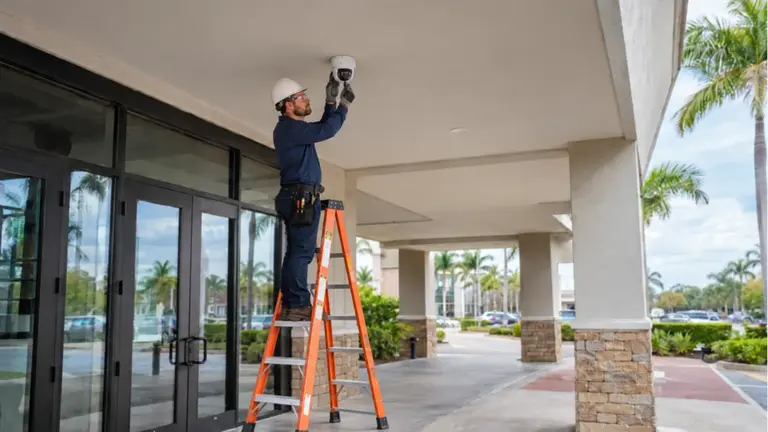
A compact downtown threshold, waterfront service edge and hotel arrival each require a scene composed for its own distance and light.
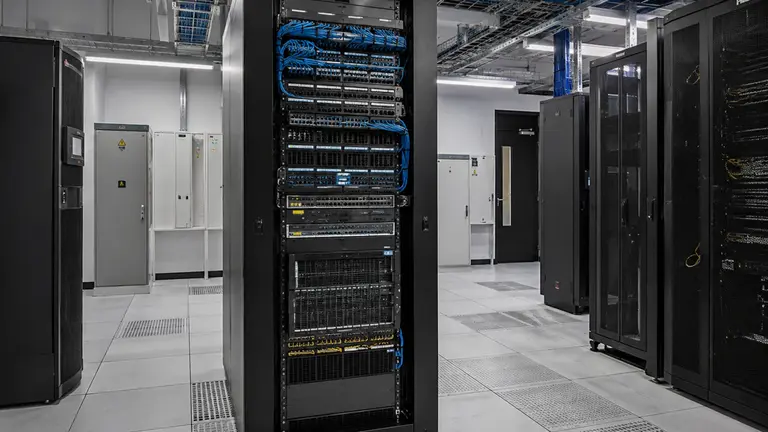
Waterfront businesses may review incidents on a different schedule from offices or hospitality operators, so retention and bandwidth are set from the customer’s actual use and connection.
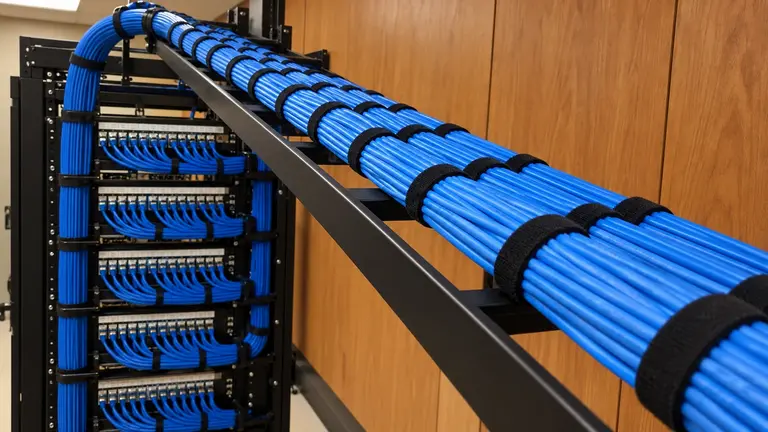
Crystal River cabling routes protect exterior transitions where exposure is verified and keep indoor terminations labeled and accessible through finished spaces.
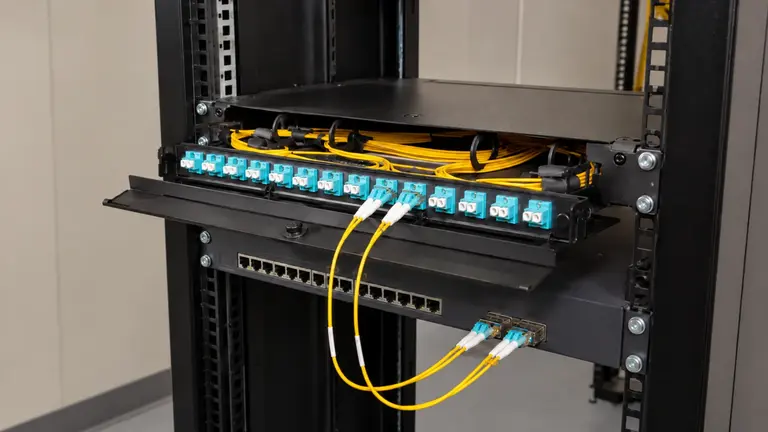
Office and service-commercial sites identify the network administrator, secure recording location and remote-user policy before connectivity is finalized.
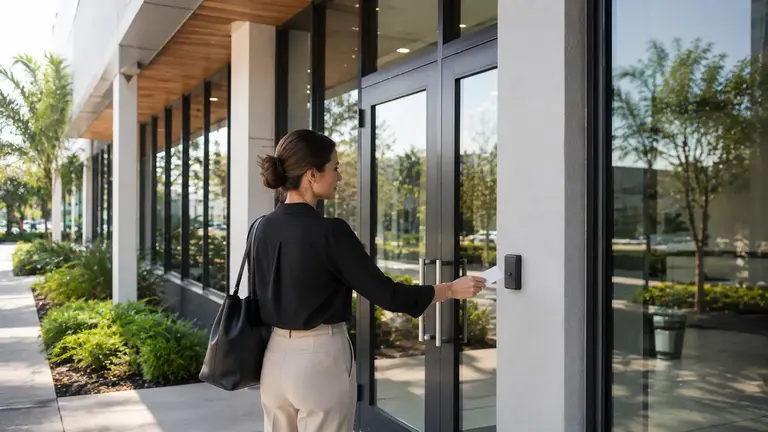
A hospitality door can be coordinated with video only when the operator controls the entry system and approves how staff will use the linked event.

Equipment exposed by age, renovation or site conditions is inspected individually; useful Crystal River components may remain while unsupported or damaged pieces are removed.
Downtown mixed-use views stay on the business entrance and approved service access, accounting for compact neighboring uses and pedestrian activity.
Waterfront commercial sites use separate angles for guests, staff and deliveries when exposure and access prevent one view from supplying reliable detail.
Office and service-property exteriors are checked for mounting condition, moisture exposure where present, nighttime light and a protected cable entry.
Highway-commercial installation is staged around customer traffic, deliveries and access to outdoor equipment locations.
Hospitality sites are measured from guest and service areas back to secure equipment, with exposed crossings designed only where field conditions require them.
Working-service properties establish who may view footage, approve exterior placement and receive the final maintenance record.
The Crystal River survey compares compact downtown access with waterfront, office and hospitality operations, documenting environmental conditions and the owner of every supporting utility.
Indoor and exposed transitions are traced from approved scenes to the recorder, and the connectivity method follows measured distance and field protection needs.
At a highway property, inherited cameras are judged under representative light, cable routes are verified and recorder support and credentials are secured before reuse.
Crystal River cutovers are arranged around the property’s guest, retail, office or service schedule and any safe-access limits at exterior locations.
Commissioning compares live and recorded waterfront scenes with the approved purpose, then verifies labels and retrieval with the customer’s designated contact.
A downtown business may associate a controlled entrance event with its camera after ownership, authorization and event matching are proven.
Hospitality intercom requires a staffed response point, an approved audio workflow and a clear rule for releasing the entrance.
Recording from exposed hospitality areas depends on protected connectivity and a head-end that remains dry, secure and serviceable under verified site conditions.
Office and service integrations define responsibility for network accounts, cameras, doors and exterior construction before shared configuration is attempted.
Confirm the actual flood, moisture and wind exposure at the device and cabinet location instead of applying a citywide assumption.
Separate public arrival, staff circulation, deliveries and waterfront or rear-service access in the camera schedule before selecting views.
Crystal River’s downtown, waterfront commercial, office/service and hospitality properties present different access and exposure conditions. Equipment locations and exterior pathways should be confirmed at the property rather than generalized across the market.
Crystal River installation places cameras for the property’s distinct downtown, waterfront, hospitality or highway events and records them in a supportable location.
A waterfront operator’s retention period and remote roles are documented from its review practice, with account access limited to approved users.
Renovated Crystal River systems can retain proven devices while addressing exposed cable, unsupported recording and insecure administration in the appropriate order.
Structured Cabling
Service-commercial pathways are labeled through interior and exterior transitions back to the telecom space that actually supports the property.
Network Infrastructure
Highway-property switching and bandwidth reflect approved cameras, recording traffic and expected remote review rather than presumed market activity.
Hospitality credentials are administered by the operator for approved staff roles and revoked through its normal access process.
Crystal River combines several commercial forms within one municipality. Downtown, waterfront, office/service and highway parcels must be evaluated separately for exposure, access and equipment location.
A Crystal River-area project is reviewed from its complete address and real parcel conditions, including access, building form and any verified waterfront or weather exposure. Those findings determine survey preparation and whether special exterior routes or equipment locations need evaluation.
The walk-through follows customer and service movement across the downtown, waterfront or highway property and examines each supporting equipment route.
Crystal River scene tests reproduce the relevant doorway, guest-arrival or service event and account for the actual daytime and nighttime exposure at that parcel.
Exterior protection, pathway ownership, network changes, inherited-equipment reuse and operating-hour access are settled in the project responsibilities.
After highway or service-property images and playback meet the approved goals, the customer’s designated operator receives labeled equipment and current closeout records.
Data Pro Communications serves commercial and professionally managed projects from the approved Ocala branch at 603 E Fort King St, Ocala, FL 34471. Call (352) 517-4404. FL License #EC13016138. License information is presented factually and does not replace project-specific permitting or compliance review.
Questions and answers
No. Flood and moisture conditions are parcel-specific. The survey confirms the actual equipment elevation, exposure and pathway requirements before selecting enclosures or mounting methods.
Guest arrival, staff doors, deliveries and restricted operational space should have distinct view objectives. The scope avoids private or unrelated areas and reflects the property’s approved use.
Downtown sites often need short, focused doorway views and constrained pathways; highway lots may need longer parking and entrance coverage. Lens, height and lighting decisions follow those differences.
No. The location also needs appropriate elevation, power, grounding, security, ventilation and service access. A weather rating alone does not resolve the full installation condition.
Work can be sequenced around guest access, housekeeping, deliveries and occupied areas. Lift use, ceiling access and any temporary closure are approved in advance.
Testing and route verification are required. Renovation may have altered terminations, moisture exposure, pathways or network ownership, so appearance alone is not enough.
No. Data Pro Communications plans commercial low-voltage systems for the verified property conditions. No specialized marine credential or customer relationship is claimed.
Provide operating hours, public and staff access, parking concerns, current camera details, network contacts and any known weather or drainage issue at equipment locations.
Use individual accounts, appropriate permissions, current software and network practices approved by the customer’s IT contact. Remote viewing should not depend on shared credentials.
Installed views and operation are checked against the approved scope, and the customer receives the agreed handoff information. Environmental performance and security outcomes are not guaranteed.
Tell Data Pro Communications how your Crystal River property is used and where public, staff, delivery or waterfront access must be reviewed. The site survey will confirm exposure, equipment locations, useful views and the infrastructure needed to support them.