
The Event Is Written First
A useful objective names the target, direction, zone, schedule, and operator response instead of asking for generic intelligence.
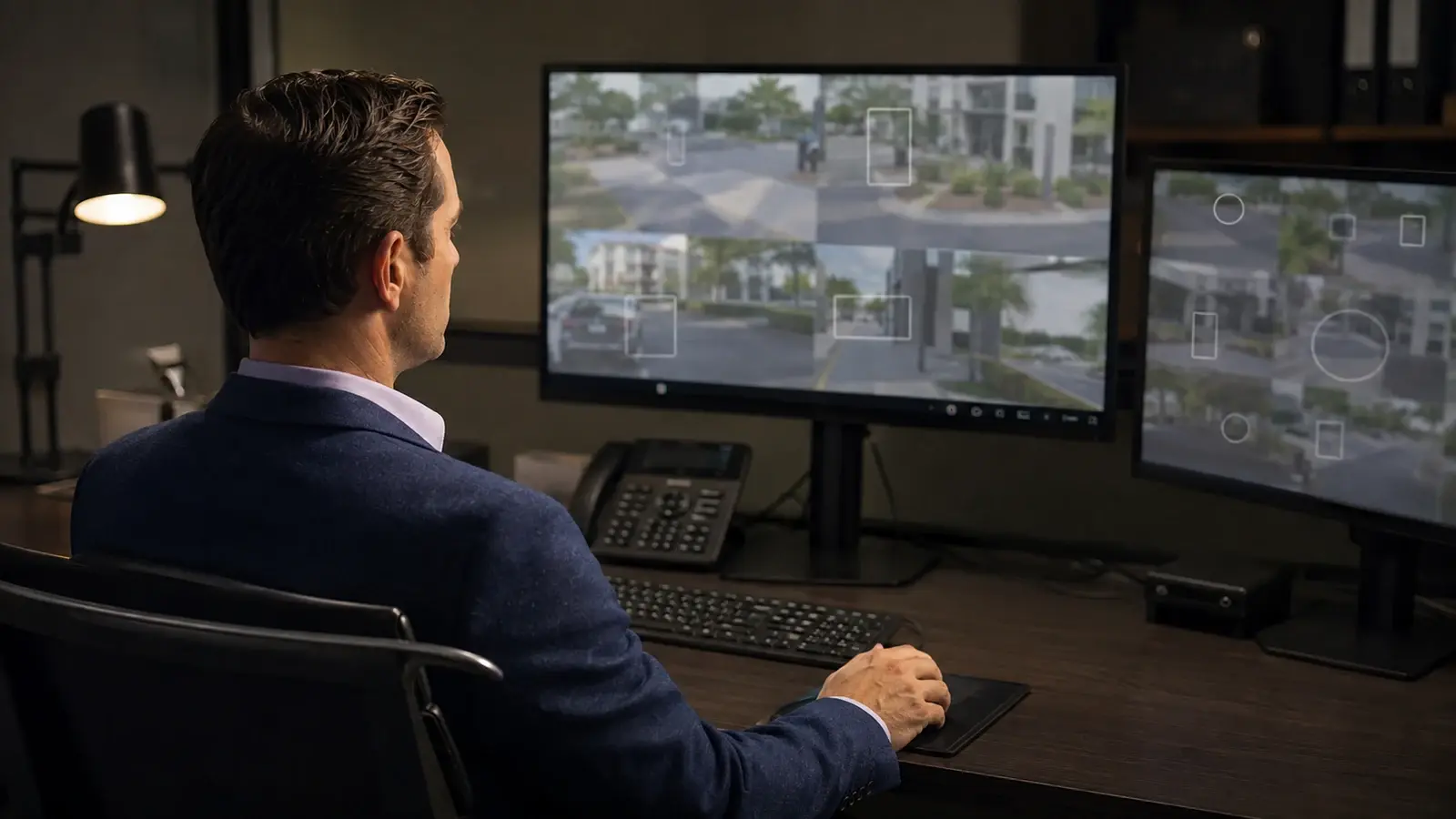
EVENT-DRIVEN VIDEO REVIEW
Video analytics are useful when a property can describe the event it wants the system to surface. A line crossing at a closed gate, a person entering a defined yard, and a vehicle approaching a service lane are different behaviors that need different scene rules.
Data Pro Communications plans analytics around camera view, target size, lighting, motion, environmental conditions, platform support, and the workflow used to review events. No configuration guarantees that every event will be classified or detected.
A useful objective names the target, direction, zone, schedule, and operator response instead of asking for generic intelligence.
Target size, angle, lighting, obstruction, motion, weather, and background activity are reviewed before rules are enabled.
Thresholds, zones, dwell time, sensitivity, and schedules are adjusted from representative recorded events.
Classification and detection depend on the device, software, configuration, scene, and event; they are not performance guarantees.
An analytics rule evaluates pixels or device metadata against defined conditions, then marks, filters, notifies, or helps search for an event. Its value comes from reducing review effort for a specific operational question.
The same rule can behave differently when headlights flare, shadows move, rain crosses the scene, vegetation shifts, targets overlap, or the subject is too small. Planning must account for those conditions instead of treating the feature name as the result.
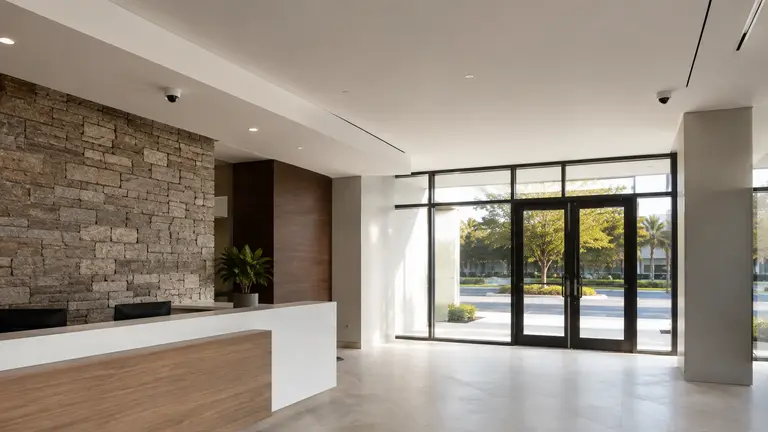
Person or vehicle classification becomes less dependable when a wide overview leaves the subject with too little image detail.
Road traffic, tree movement, reflections, insects, rain, and lighting transitions can create event volume unrelated to the intended behavior.
Parked vehicles, fencing, structural columns, groups of people, and crossing traffic can block the portion of movement the rule needs to evaluate.
Alerts create little value when recipients, schedules, escalation, review, and false-event feedback are not defined.
Set direction and boundary logic for a controlled path such as a gate lane, fenced edge, or restricted passage.
Define areas where entry or continued presence matters during selected operating periods.
Use supported platform categories to narrow searches or events while recognizing scene and target limitations.
Organize recorded review around marked events, object classes, zones, or time windows when the platform supports them.
Refine masks, thresholds, schedules, target sizes, and sensitivity from actual unwanted triggers rather than deleting useful coverage.
Use a defined zone and schedule to surface person or vehicle activity in an industrial storage area after normal operations.
Mark vehicles crossing a selected lane boundary in the relevant direction while keeping plate capture as a separate camera objective.
Identify entry into a controlled corridor where the camera angle and target size remain stable.
Filter supported recordings by vehicle events to reduce the time required to review a known window.
Camera height, angle, field of view, target travel, and pixel size determine whether the rule sees a useful pattern.
Day-night transitions, headlights, shadows, weather, insects, dust, and moving vegetation should be represented during tuning.
Camera firmware, recorder or VMS support, licenses, event metadata, and client software determine which functions are actually available.
Schedules, recipients, permissions, notification channels, retention, search, and review responsibility define what happens after a trigger.
IP Video Surveillance supplies the camera image, network path, and supported metadata. NVR or VMS platforms may store event markers, provide search tools, manage notifications, and control user permissions.
Gate access or access control events can provide operational context, but an analytics classification should not be presented as a credential decision or guaranteed entry-control result.
Industrial yards and distribution sites may need analytics that distinguish a vehicle route from broad background movement. Loading activity, headlights, weather, stacked materials, and changing parked equipment can all alter event behavior.
Equestrian and gated properties introduce long approaches, fencing, vegetation, animals, barn lighting, and detached areas. Rules should be limited to the human or vehicle question they can realistically observe rather than applied indiscriminately across the scene.
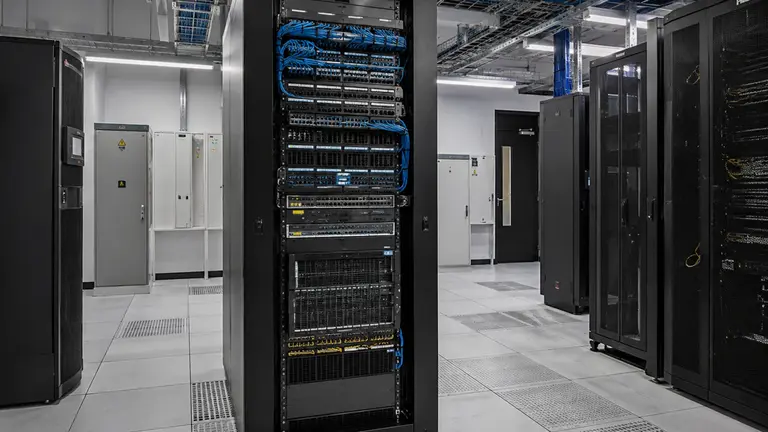
Review camera compatibility, stream behavior, network transport, and metadata paths that carry analytics events.
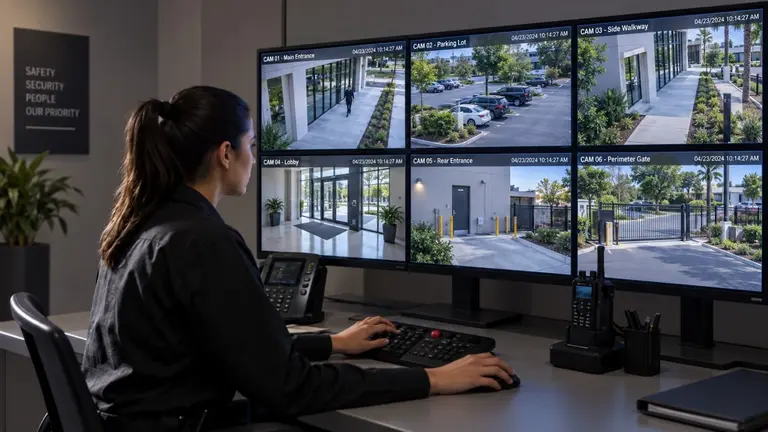
Define how events are stored, searched, exported, notified, and viewed by authorized users.
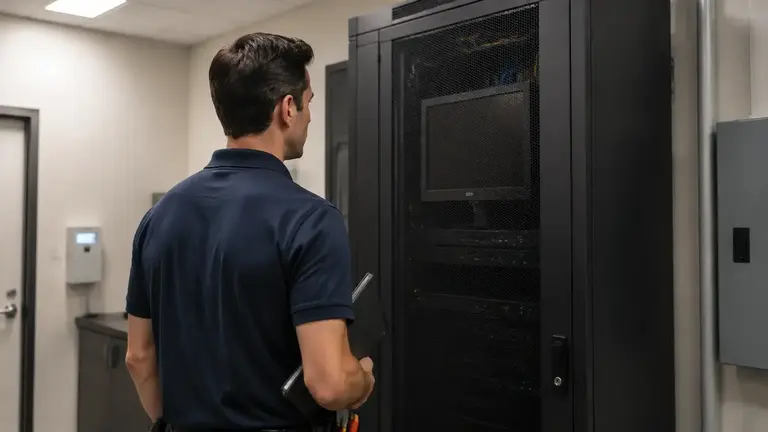
Consider modernization when existing cameras, recorder software, processing capacity, or image detail cannot support the intended analytics workflow.
Analytics fit environments that can define a repeatable person or vehicle event, such as a controlled gate lane, restricted yard, service corridor, or after-hours perimeter. The operating question matters more than the industry label.
Name the target behavior, location, schedule, direction, and action an authorized user will take after review.
Examine target size, angle, background motion, lighting transitions, occlusion, and platform capability.
Set zones, lines, masks, sensitivity, dwell, direction, schedules, and supported classifications using representative footage.
Compare useful and nuisance events across changing conditions, then adjust configuration and operator expectations as needed.
Data Pro Communications operates under FL License #EC13016138. Analytics behavior remains dependent on the selected camera, platform, software, configuration, scene, environment, and event; no accuracy percentage or guaranteed detection is stated.
Questions and answers
Begin with a specific event and operator action, such as reviewing a person entering a defined yard after hours, rather than asking for generic AI detection.
Supported systems may classify person and vehicle events, but results depend on target size, angle, lighting, occlusion, scene motion, device capability, software, and tuning.
Common causes include moving vegetation, headlights, shadows, rain, insects, reflections, broad zones, unsuitable sensitivity, small targets, and schedules that do not match operations.
No. Detection and classification are not guaranteed. Camera view, environment, system health, configuration, platform behavior, and the event itself all affect results.
Line crossing evaluates movement across a defined boundary, often with direction. Intrusion evaluates entry or presence within a selected zone, sometimes with dwell or schedule rules.
Some do, depending on model, firmware, image quality, processing, recorder or VMS compatibility, licensing, and the scene. Compatibility must be checked for the intended rule.
Representative recorded activity is reviewed for useful events, missed events, and nuisance triggers across relevant lighting, traffic, weather, and operating periods.
They may help mark vehicle movement when geometry and target size are suitable. Plate capture remains a separate objective requiring dedicated positioning and exposure planning.
Recipients, schedules, permissions, review responsibility, and escalation should reflect the property's operating workflow. More notifications do not automatically create better response.
Yes. Supported event metadata can help users filter recordings by time, zone, or object class even when no real-time notification is enabled.
Share the scene, target behavior, schedule, current cameras, recording platform, and examples of unwanted or missed events to begin an analytics review.