
Education Before Equipment
The guides focus on decisions, constraints and documentation so product selection follows a defined operational need.

COMMERCIAL PROJECT GUIDES
Commercial technology decisions improve when buyers understand the site conditions, evidence goals and infrastructure choices that shape the finished system.
Use this Blog to prepare for conversations about cameras, vehicle entrances, large outdoor properties, cabling expansion and remote equipment spaces across Ocala-area commercial sites.
Project planning principles
The guides focus on decisions, constraints and documentation so product selection follows a defined operational need.
Recommendations account for occupied businesses, managed properties, outdoor operations and coordination with IT or facilities teams.
Cameras, gates and network devices depend on pathways, power availability, transport capacity and serviceable equipment locations.
A guide can frame the right questions, while measurements and field conditions determine the final design.
Data Pro Communications operates under FL License #EC13016138 for approved low-voltage project scope.
A useful blog guide should narrow a decision, not bury it in product lists. The six guides below address separate moments in a commercial project: evaluating an installer, mapping a wide property, preparing a vehicle lane for plate capture, connecting an equestrian site, expanding cabling and organizing network equipment.
Some projects touch several guides. A warehouse expansion, for example, may need outdoor camera planning, a fiber path to a distant cabinet and additional rack capacity. Read the topic that matches the immediate question, then use the related links to understand the connected systems.
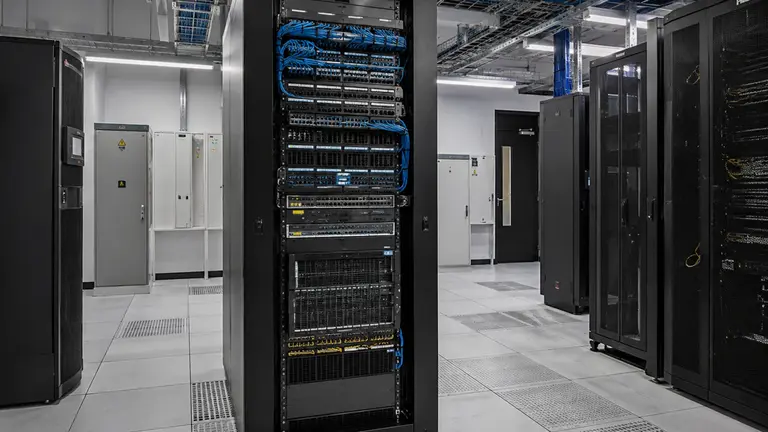
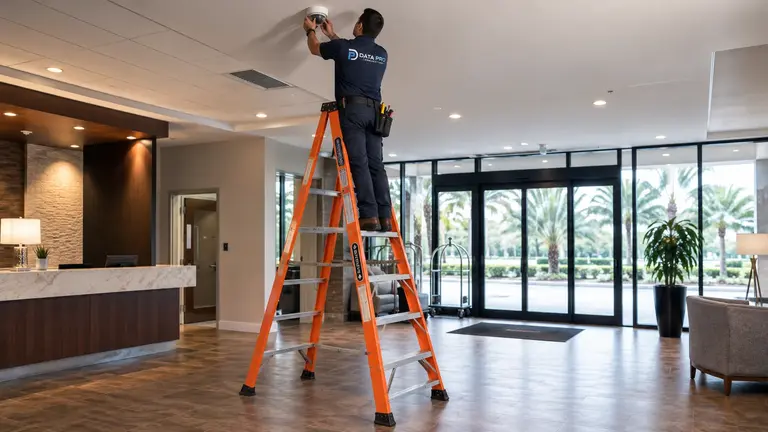
Learn what a serious site survey, scope, documentation package, commissioning process and support conversation should reveal before an installer is selected.
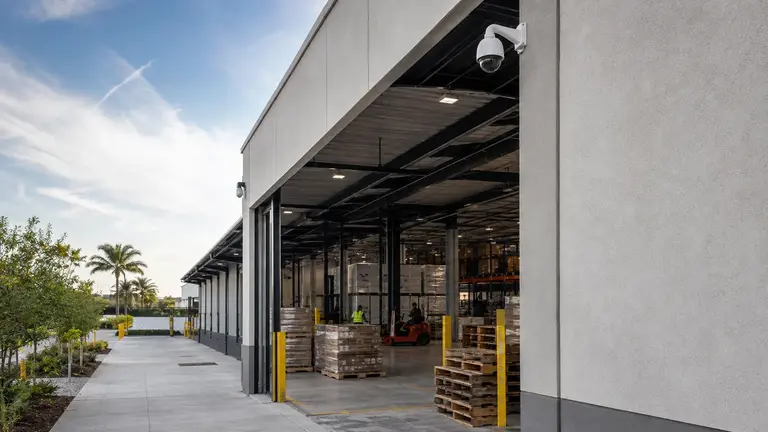
Work from operational zones and evidence goals to address docks, trailer movement, lighting changes, distant coverage and network reach.
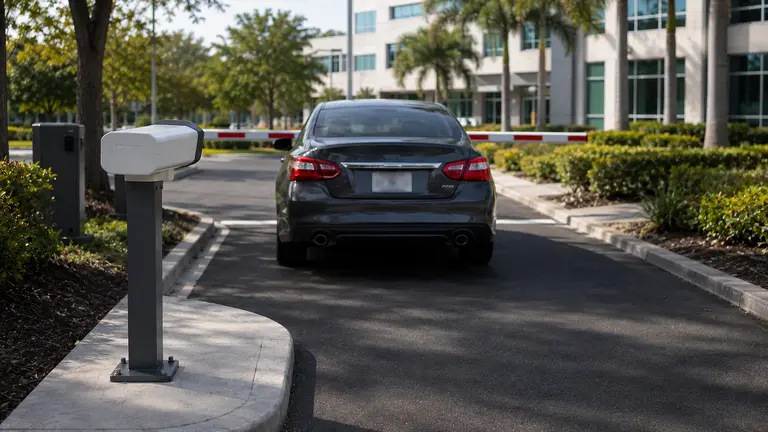
Understand why lane position, vehicle approach, capture geometry and controlled lighting matter more than a generic megapixel comparison.
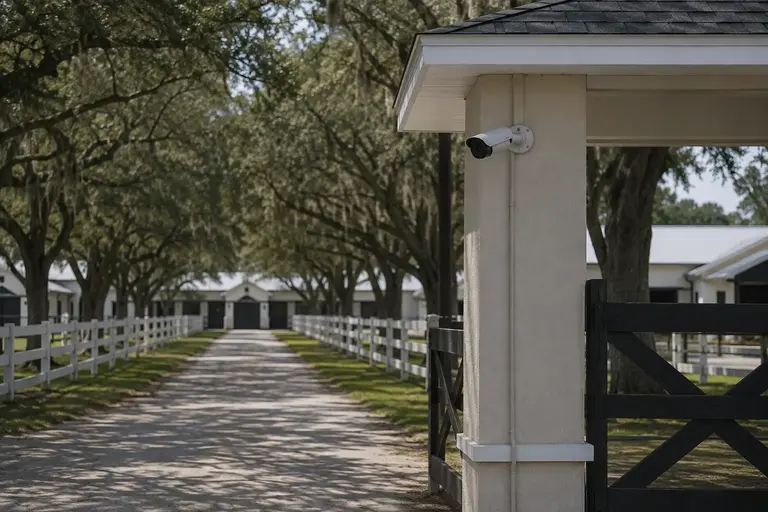
Consider remote gates, barns, arenas, detached structures and long property distances in a planning guide written for Ocala-area facility conditions.
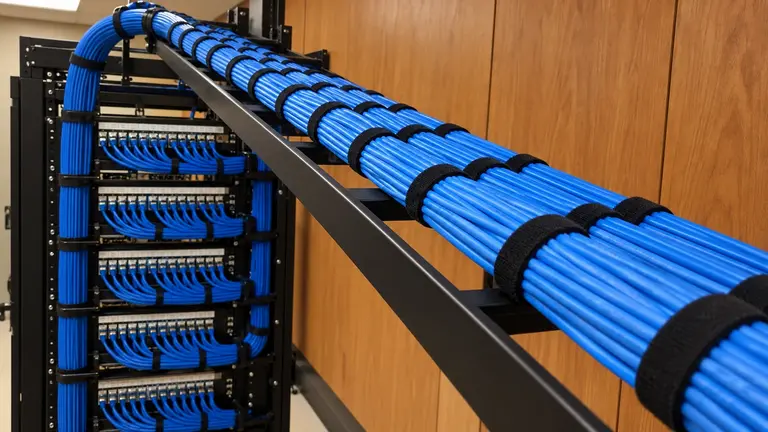
Estimate new device counts, identify pathways and distribution points, and preserve test records that support the next phase of a growing property.
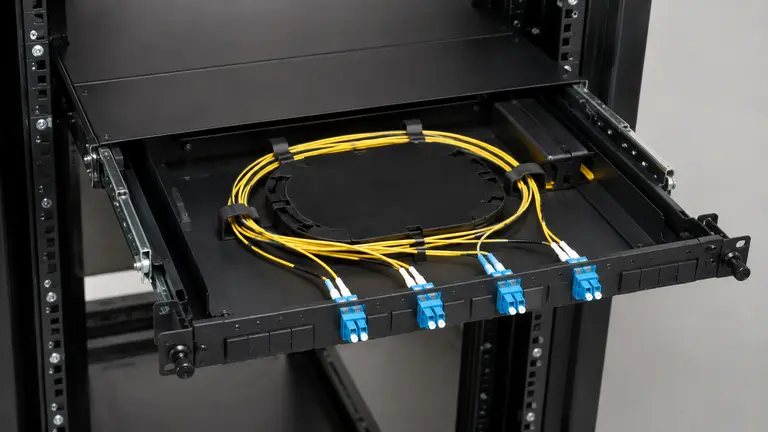
Plan usable rack space, power coordination, cooling, access, labeling and fiber or copper distribution before equipment competes for an improvised corner.
Read the installer guide and the topic guide for your site. Use their checklists to give each bidder the same operational goals, known constraints and documentation expectations.
Pair the cabling and rack guides to identify how many devices are coming, where they terminate and whether the current equipment space can support the additional load.
Review the equine-property or outdoor-yard guide with the LPR guide when a distant entrance needs both general awareness and a dedicated vehicle-capture view.
Use the installer guide to organize credentials, device lists and current problems before deciding what can be retained, repaired or incorporated into a new phase.
Describe the event the team needs to understand, the people who review it and the time window that matters. That is more useful than beginning with a camera count.
Floor plans, network diagrams, cable test results, recorder information and access credentials can shorten discovery when they are current and authorized for project use.
Night lighting, vehicle flow, occupied work areas and gate activity may reveal constraints that are invisible during a brief daytime discussion.
Identify who represents operations, IT, facilities, property management and construction so tradeoffs are reviewed by the people responsible for them.
Ocala and Marion County include compact professional spaces, established buildings, distribution properties, horse farms and commercial parcels with detached structures. Those settings place different pressure on cable distance, outdoor exposure, network transport and the location of recording or communications equipment.
The Blog connects those conditions without treating every property as the same project. A downtown office may be concerned with working around finished ceilings and maintaining normal operations, while a farm or yard may first need a route between buildings and a workable plan for a remote gate.
Review transactional camera service options after the evidence goals and property constraints are clear.
See the cabling, network, fiber, gate and intercom services that may support a coordinated design.
Explore how cameras, access systems and network infrastructure support warehouses, equestrian facilities, offices and other commercial properties.
Learn how Data Pro approaches commercial projects in Ocala and the surrounding service area.
Bring the prepared site information to Data Pro Communications when a field conversation is the useful next step.
Questions and answers
The Blog helps commercial buyers understand planning decisions before equipment is selected or a project scope is approved. It covers the site conditions, documentation and tradeoffs that shape cameras, cabling, vehicle entrances and network equipment spaces.
Start with the commercial installer guide, then read the topic guide that matches your property. A warehouse or yard should use the wide-site camera guide, while a gated vehicle entrance may also need the LPR planning guide.
No. They help buyers prepare useful questions and records, but field measurements, lighting, pathways, network conditions and access constraints still need to be verified at the property.
Yes. A remote gate may involve LPR geometry, point-to-point connectivity, power coordination and a cabinet location. The guides are separated by decision so connected issues can be reviewed without blending their purposes.
The guides emphasize operating goals and site conditions rather than a brand list. Exact equipment choices depend on the required image, environment, infrastructure, compatibility and approved project scope.
Bring a property plan, the events you need to review, known device or network records, operating schedules, access constraints and any planned expansion. Even incomplete information is useful when its limits are clear.
Yes. Use the relevant checklists to organize camera, access, cabling and network questions, identify shared infrastructure and bring the appropriate IT, facilities and construction contacts into the discussion before the site survey.
No. Several guides address large distances, but the same planning discipline helps offices, retail spaces and managed properties. The relevant questions change with the property rather than with a minimum project size.
Yes. The checklists are designed to support coordination among buyers, IT, facilities, property management and construction teams. Each group may own different facts or approvals needed for the final scope.
Write down the unresolved questions and gather the records named in the checklist. If field conditions or system compatibility still need review, request a project consultation and identify the authorized people who should participate.
When the guide reveals a site condition that needs measurement or coordination, Data Pro Communications can review the property, existing infrastructure and operational goals with the appropriate project stakeholders.