
Citra Property Context
Citra properties mix farm and roadside uses: a single parcel can include a gated entrance, pastures, working barns, storage buildings and a frontage business, each with its own access and power.
FARM AND COMMERCIAL SYSTEM PLANNING FOR CITRA PROPERTIES
Citra is an unincorporated community in northern Marion County, north of Ocala along US 301, with roots as a citrus-growing district and a reputation as the home of the pineapple orange. Today its properties range from horse farms and working agricultural parcels to businesses facing US 301 and community buildings that serve the north end of the county.
A Citra project may combine a gate on a county road, a barn or packing building several hundred feet from the office and a roadside business with customer parking. Data Pro Communications plans these projects from the Ocala branch, starting with the entrances, the working buildings and the network path between them.
Citra properties mix farm and roadside uses: a single parcel can include a gated entrance, pastures, working barns, storage buildings and a frontage business, each with its own access and power.
Coverage is tied to specific events, such as a truck entering from US 301, activity at a storage building after dark or a visitor at the farm gate, instead of a general view of the acreage.
Working buildings on Citra parcels are often far apart, so fiber optics, protected copper or point-to-point wireless is chosen from measured distances before cameras are placed.
Data Pro Communications provides project-specific low-voltage work under FL License #EC13016138 for qualifying Citra properties, including farm entrances, agricultural buildings and US 301 businesses.
Agricultural properties in Citra tend to grow one building at a time, so cabling, recorders and gate equipment are often added piecemeal. A survey that maps every structure and how it is connected today is the starting point for a system that can be serviced and expanded.
Relevant properties include horse farms and equestrian properties, agricultural and storage buildings, US 301 roadside businesses, farm entrances and county-road gates, schools, churches and community buildings, and rural homes on acreage. Data Pro Communications is a DoorKing Authorized Partner and also installs LiftMaster gate operators and 2N video intercoms, so entry, cameras and networking are planned as one system.
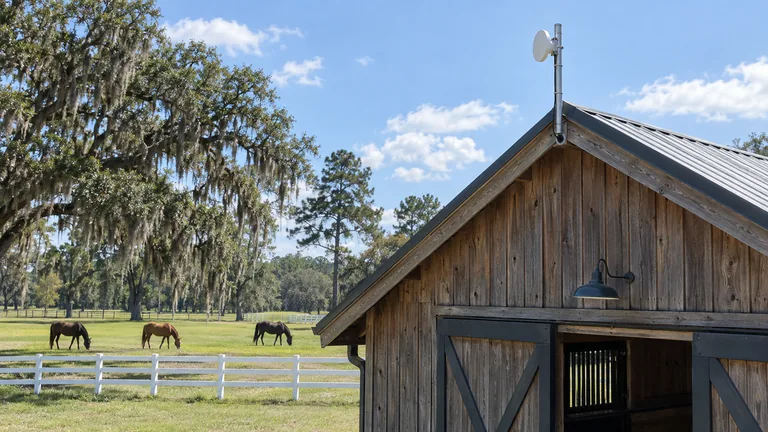
Barns and storage buildings built in different years often carry undocumented wiring and equipment that must be traced before reuse.
US 301 frontage brings fast vehicle approaches and headlights, while farm lanes carry trucks, trailers and equipment that need their own views.
Gates and outbuildings may have limited power or none, which affects camera choice, enclosures and how links are protected.
Planting, harvest, feeding and turnout schedules decide when a barn or yard can be worked on without slowing the operation.
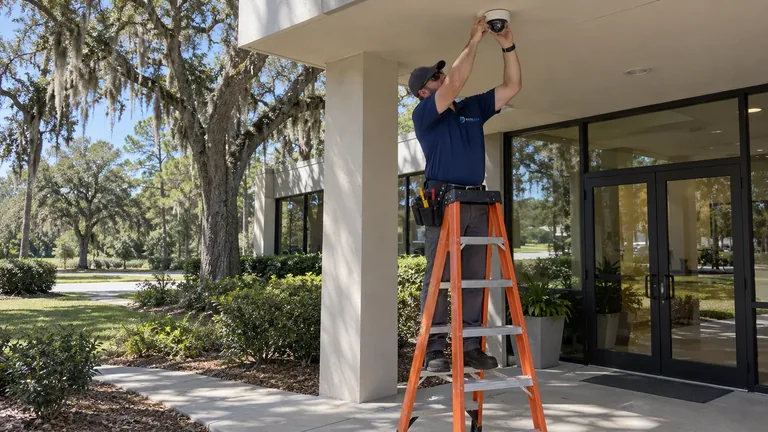
A US 301 entrance, a storage building door and a farm gate each receive a written purpose, with the lens and mounting height matched to the detail that matters there.
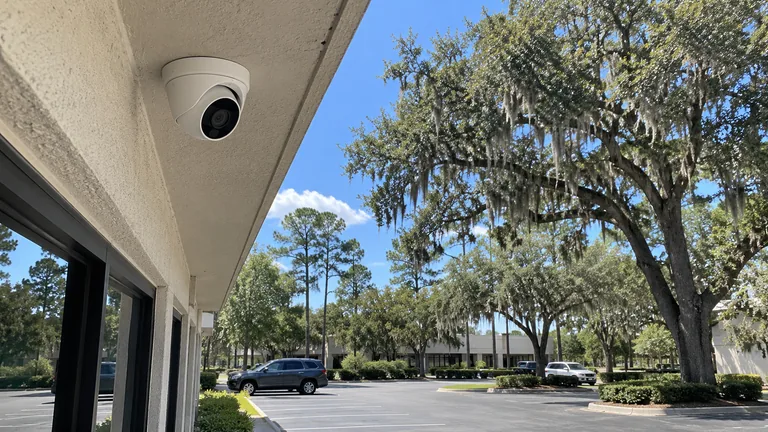
Recording is sized from the number of cameras, how long the property sits unattended and how far back the owner usually needs to search, with the recorder kept in a secure, ventilated spot.
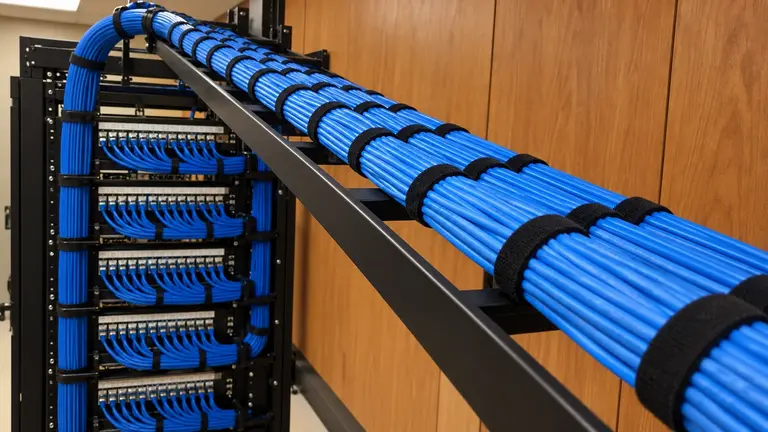
Cabling inside barns and agricultural buildings is routed away from moisture, equipment and animals, labeled at both ends and documented to one equipment location.
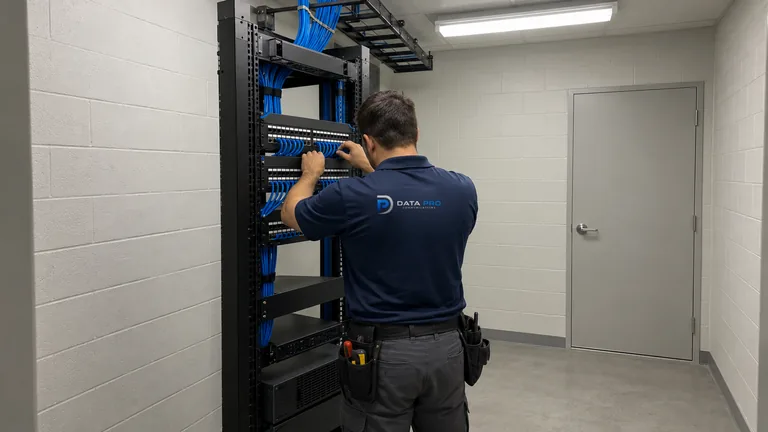
The network is planned for camera traffic, PoE at each building and any Wi-Fi needed in offices, with outdoor links between structures designed as part of the same system.
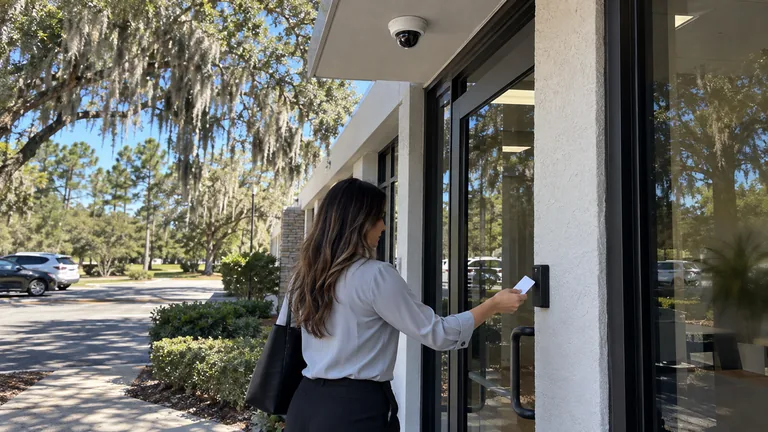
Gate operators, keypads and video intercoms can be linked to entrance cameras when the owner controls the gate system and has decided who may open it.
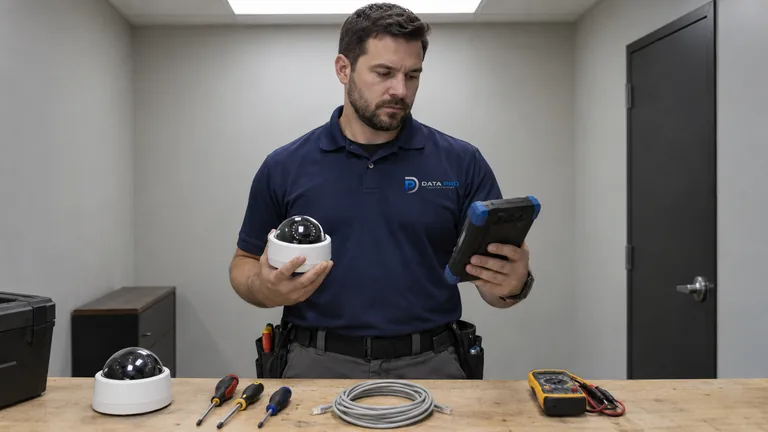
Cameras and recorders added over the years are tested for usable images, weather damage and administrator access; working pieces can stay and the rest is replaced.
Horse properties around Citra are planned around the gate, the barns, the paddock entrances and the paths staff and visitors use every day.
Packing, storage and equipment buildings receive door and yard coverage designed for dust, open bays and vehicles moving in and out.
Businesses facing US 301 focus on the driveway, customer entrance and rear service door, with cameras angled to limit headlight glare from the highway.
Entrance gates receive a vehicle view and an overview of the lane, with power and the network connection confirmed at the gate before equipment is chosen.
Community buildings in Citra are scoped around entrances, parking and event schedules, with placement approved by the people responsible for the facility.
Homes on farm acreage are planned with the same method: the gate, the drive, the house and detached buildings each receive defined coverage and a documented link.
The Citra survey walks from the road entrance to each barn and working building, noting where vehicles turn, where power is available and who controls each area.
Every run from a gate or outbuilding to the equipment location is measured, along with trench routes and line of sight, before copper, fiber or wireless is chosen.
Existing cameras, recorders, gate equipment and wireless bridges are tested in place, traced to their endpoints and assigned to an owner account.
Installation is timed around planting, harvest, feeding and turnout, and buildings are worked in sections so the operation keeps running.
Closeout confirms each approved view day and night, demonstrates search and export, and leaves a record of every device, link and account.
A gate opening or keypad code can bring up the matching entrance video when the property owns both systems and the link has been tested.
A video intercom at the farm gate or a business entrance lets the owner see and speak with a visitor before opening, once the property decides who answers.
Outdoor links between buildings need surge protection, weather-rated enclosures and equipment placed where a technician can reach it safely.
Integration records name who manages the internet service, gate equipment, camera accounts and access to each working building.
Map every structure on the parcel and how it is connected today before adding cameras, especially on properties where buildings were added over many years.
Separate highway-facing coverage from farm coverage: US 301 entrances need glare control and vehicle views, while barns and storage buildings need protected, close-range views.
Citra combines agricultural history, active horse properties and US 301 frontage. A survey that measures distances and confirms power at each structure keeps the system practical to maintain.
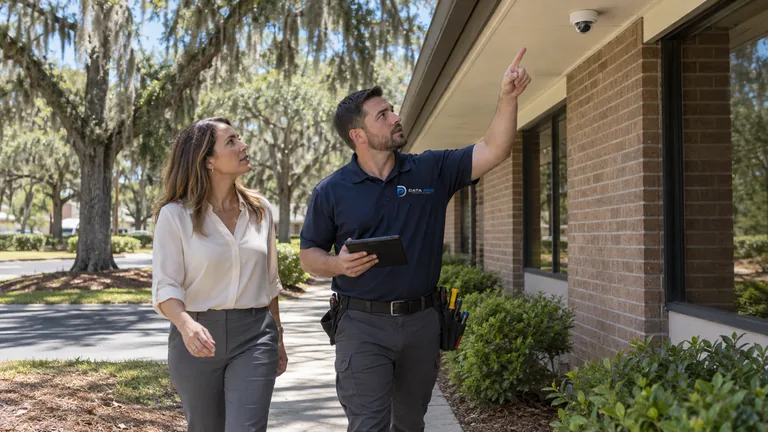
Citra camera installation turns gate, building and yard priorities into fixed views with lenses selected for each distance.
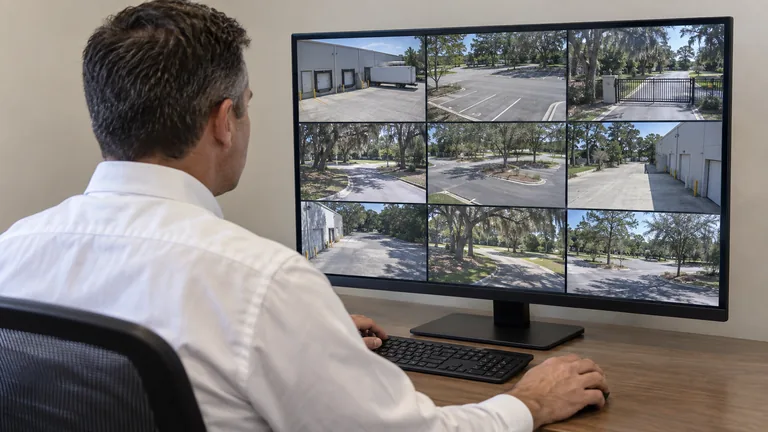
Owners receive individual remote accounts for checking the gate and buildings away from the property, with retention matched to how problems are usually discovered.
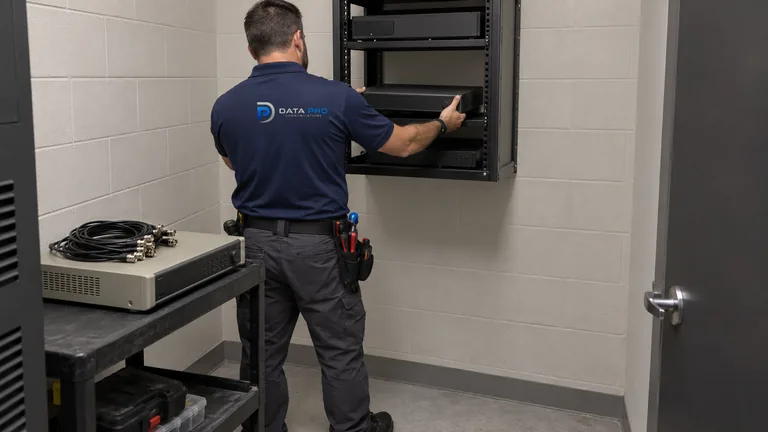
An upgrade can keep working cameras while replacing an outdated recorder, damaged outdoor cable or an unreliable wireless bridge between buildings.
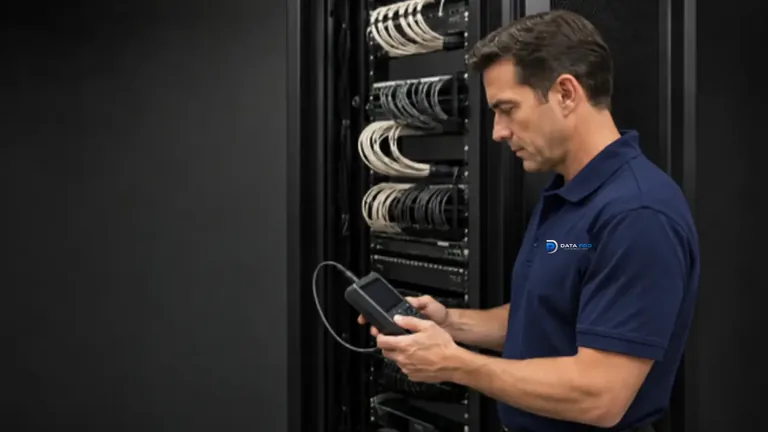
Structured Cabling
Cabling in barns and agricultural buildings is protected, tested and labeled back to a defined equipment location for future additions.
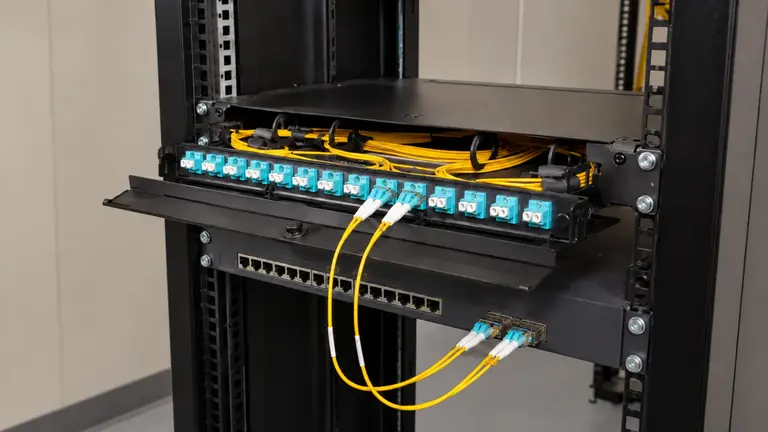
Network Infrastructure
Network work covers PoE at each building, outdoor switches in protected enclosures and the fiber or wireless backbone connecting the parcel.
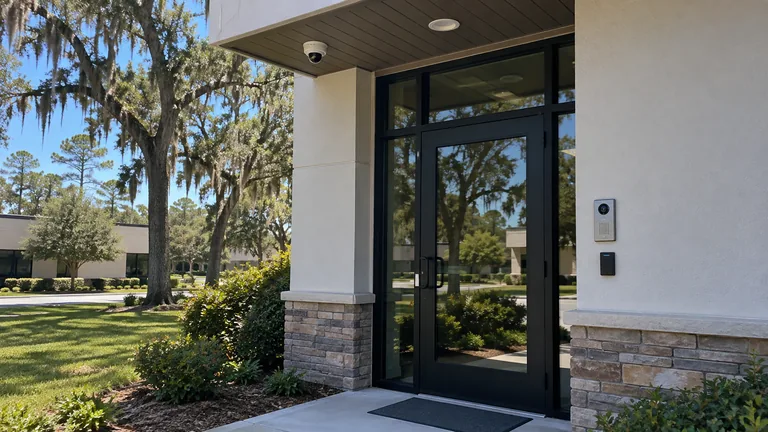
Gate and building credentials are issued and removed by the owner's authorized contact as workers, riders and vendors change.
Citra is an unincorporated community in northern Marion County and part of the Ocala metropolitan area, located north of Ocala along US 301. The community was founded in 1881 in a citrus-growing district and is known as the home of the pineapple orange. Projects in Citra are served from the Ocala branch.
Unincorporated properties fall under Marion County, and parcels vary from roadside lots to large agricultural tracts. Each request is reviewed from the address and layout, including gates, building distances, power and internet service.
The site walk covers the road entrance, the farm lanes and every barn, storage building or office that needs to join the system.
Views come from real Citra events, such as a truck entering from US 301, a trailer at the farm gate or a door opening at a storage building after hours.
The Citra plan settles the route to each working building, any new power at the gate, which old equipment stays and when barns and storage buildings can be worked around the season.
After the US 301 entrance, farm gate and building views are verified, the owner receives labeled devices, user accounts and a record of each link between buildings.
Data Pro Communications serves commercial and professionally managed projects from the approved Ocala branch at 603 E Fort King St, Suite 84, Ocala, FL 34471. Call (352) 517-4404. FL License #EC13016138. License information is presented factually and does not replace project-specific permitting or compliance review.
Questions and answers
Yes. Horse farms, agricultural parcels and rural properties in Citra are planned from the Ocala branch, beginning with a site survey of the entrances and working buildings.
Yes. The highway-facing business and the farm area are planned as separate zones on the same system, each with its own views, access rules and recording needs.
Buried fiber optics suits long runs, while a point-to-point wireless link can work where there is clear line of sight. The choice is made from measured distances and terrain.
That is decided with the owner. Feed and equipment deliveries can receive their own keypad codes, a video intercom can ring the office, or the gate can follow a schedule during working hours, with every entry recorded by the entrance camera.
Power options are reviewed at each structure. Some locations can be fed through PoE over the data cable, while others need a new circuit by a licensed electrician before equipment is installed.
Sometimes. Each camera, cable and recorder is tested for image quality, weather damage and administrator access. Working equipment can stay in a phased upgrade.
Yes, when the property has a suitable internet connection. Owners and managers receive individual accounts with access limited to what they need.
Yes. Community buildings are scoped around entrances, parking and schedules, with locations approved by the people responsible for the facility.
Installation is divided into areas and timed around feeding, turnout, planting or harvest so the operation continues while work is done.
You receive a written scope covering each camera view, the gate and entry plan, the cable and wireless routes between buildings and the owner's responsibilities, then pricing and a proposed schedule.
Whether your Citra property is a horse farm, an agricultural operation, a US 301 business or a home on acreage, a site survey will define the gate entry, camera views and connections it needs. Call (352) 517-4404 or request a site survey to get started.